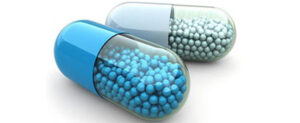

Pharmaceutical pellet technology has become an integral part of modern oral drug delivery systems, particularly for delayed-release and controlled-release formulations. Among the various manufacturing techniques available, fluid bed coating stands out as one of the most efficient and reliable methods for producing high-quality pellets with consistent performance. Companies looking for Omeprazole Pellets API Manufacturers often evaluate manufacturing capabilities such as fluid bed coating because this technology plays a critical role in ensuring product quality, stability, and therapeutic effectiveness.

What Is Fluid Bed Coating?
Fluid bed coating is a pharmaceutical manufacturing process in which small pellets are suspended in a stream of heated air while a coating solution is sprayed uniformly over their surface. As the pellets remain in continuous motion, the solvent evaporates rapidly, leaving behind a thin and even coating layer.
This technology is widely used for:
- Drug layering
- Seal coating
- Enteric coating
- Controlled-release coating
- Taste masking
- Moisture protection
The ability to achieve precise coating thickness and uniformity makes fluid bed coating particularly suitable for multiparticulate dosage forms such as pharmaceutical pellets.
Why Fluid Bed Coating Is Important for Pellet Production
The quality of a pharmaceutical pellet depends not only on the active ingredient but also on how effectively the coating protects and controls drug release. Fluid bed coating offers excellent control over critical process parameters, including spray rate, inlet air temperature, airflow, and drying efficiency.
For acid-sensitive drugs such as omeprazole, maintaining the integrity of the coating is essential because the active ingredient can degrade rapidly in acidic environments. Fluid bed coating enables manufacturers to apply protective subcoats and enteric coatings that safeguard the drug until it reaches the intestine. Studies have shown that fluidized-bed coating is highly effective for producing stable, delayed-release omeprazole pellets with consistent dissolution characteristics.
The Fluid Bed Coating Process
A typical pharmaceutical pellet coating process involves several carefully controlled stages.
1. Preparation of Core Pellets
The process begins with inert starter pellets or drug-loaded cores that provide a uniform base for coating.
2. Drug Layering
The active pharmaceutical ingredient is sprayed onto the pellets using a suitable binder solution. Uniform drug distribution ensures dose consistency across every pellet.
3. Seal Coating
A protective seal coat may be applied to isolate the drug layer from the outer functional coating and improve stability.
4. Enteric Coating
Specialized enteric polymers are sprayed over the pellets to protect acid-sensitive drugs from gastric degradation. These coatings dissolve only after reaching the higher pH environment of the small intestine.
5. Drying and Curing
After coating, pellets undergo controlled drying and curing to achieve optimal film strength and coating performance.
Advantages of Fluid Bed Coating
Fluid bed coating has become the preferred choice for pharmaceutical pellet production because it offers several important benefits.
Excellent Coating Uniformity
Each pellet receives a highly consistent coating thickness, resulting in predictable drug release profiles and improved batch-to-batch consistency.
Enhanced Drug Stability
Sensitive APIs such as omeprazole require protection against moisture, oxygen, and stomach acid. Proper coating significantly enhances product stability throughout its shelf life.
Improved Dissolution Performance
Uniform coatings help achieve reproducible dissolution profiles that comply with pharmacopoeial standards and regulatory requirements.
Scalability
Fluid bed coaters are suitable for laboratory development, pilot production, and commercial manufacturing, allowing smooth scale-up with minimal process variation.
High Manufacturing Efficiency
Modern fluid bed systems provide efficient heat and mass transfer, reducing processing time while maintaining high product quality.
Applications in Omeprazole Pellet Manufacturing
Omeprazole is one of the most commonly formulated proton pump inhibitors used to treat acid-related gastrointestinal disorders. Because it is highly acid-labile, specialized manufacturing techniques are required to preserve its effectiveness.
Fluid bed coating enables manufacturers to create multiple functional layers, including drug layering, protective barrier coatings, and enteric coatings. This combination ensures that omeprazole remains protected in the stomach while releasing rapidly in the intestine for optimal absorption. Research has demonstrated that multilayer-coated omeprazole pellets produced using fluidized-bed technology achieve strong gastro-resistance and effective drug release.
For pharmaceutical companies sourcing delayed-release formulations, evaluating Omeprazole Pellets API Manufacturers with advanced fluid bed coating capabilities can help ensure consistent product performance and regulatory compliance.
Quality Parameters Monitored During Coating
Maintaining product quality requires continuous monitoring throughout the coating process. Key quality attributes include:
- Coating thickness
- Pellet size distribution
- Drug content uniformity
- Moisture content
- Dissolution profile
- Enteric coating integrity
- Friability
- Stability under accelerated conditions
These parameters help manufacturers produce pellets that meet stringent pharmacopeial and international quality standards.
Choosing the Right Manufacturing Partner
Selecting an experienced manufacturing partner is essential for pharmaceutical companies seeking reliable pellet formulations. Advanced equipment alone is not enough; expertise in process optimization, quality assurance, and regulatory compliance also plays a vital role.
Reliable manufacturers typically offer:
- WHO-GMP compliant manufacturing facilities
- Modern fluid bed coating technology
- Advanced analytical laboratories
- Consistent batch reproducibility
- Comprehensive documentation such as COA, DMF support, and technical dossiers
- Flexible manufacturing capacities for domestic and export markets
When evaluating Omeprazole Pellets API Manufacturers, buyers should also consider technical support, quality management systems, and experience in manufacturing delayed-release pellet formulations for global pharmaceutical companies.
Conclusion
Fluid bed coating has transformed pharmaceutical pellet production by enabling precise, uniform, and scalable coating processes that enhance drug stability and performance. Its ability to apply functional layers with exceptional accuracy makes it indispensable for manufacturing delayed-release formulations, particularly acid-sensitive drugs such as omeprazole.
As demand for high-quality pellet-based drug delivery systems continues to grow, pharmaceutical companies increasingly rely on manufacturers equipped with advanced fluid bed coating technology and robust quality systems. Partnering with experienced manufacturers ensures consistent product quality, regulatory compliance, and reliable supply for domestic and international pharmaceutical markets.
Other Recommendations: Rabeprazole and Domperidone Blend pellets