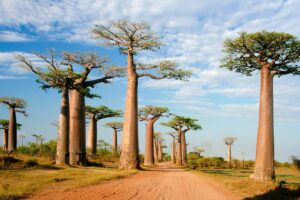

Madagascar is famous across the globe for its unique wildlife, but its geology is just as astonishing. Across the island lies a subterranean world of jagged limestone pinnacles, hidden underground rivers, and ancient cave networks carved out over millions of years.
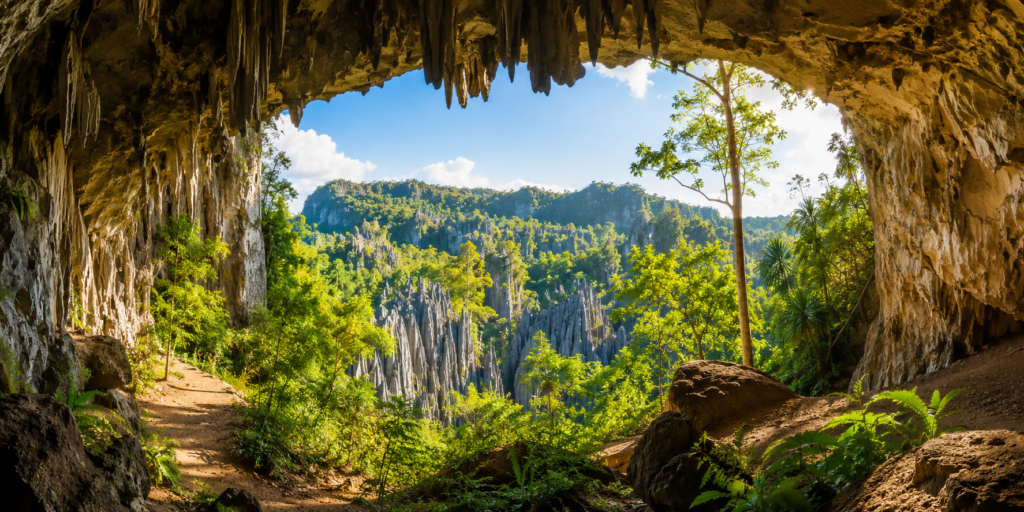
If you are planning an adventure beyond the standard safari circuit, exploring Madagascar’s limestone karst landscapes—known locally as Tsingy—and secret caves offers an unforgettable journey into one of the world’s most dramatic natural terrains.
What Are the “Tsingy” Landscapes?
The word Tsingy comes from the native Malagasy language, translating roughly to “where one cannot walk barefoot.” These formations are massive limestone karst plateaus that have been eroded by rain and groundwater over millennia. The result is a dense grid of razor-sharp limestone spires, deep canyons, and hidden fissures.
Beneath these stone forests lie extensive cave networks, many of which remain unexplored to this day.
Must-Visit Caves and Limestone Spires in Madagascar
1. Tsingy de Bemaraha National Park
Located on the western coast of Madagascar, Tsingy de Bemaraha is a UNESCO World Heritage site and the most famous limestone landscape on the island.
- What to Expect: A maze of vertical stone needles rising hundreds of feet into the air. Metal cables, suspension bridges, and wooden ladders allow visitors to trek through the cathedral-like limestone towers.
- Wildlife: Look out for the rare Decken’s sifaka (a white lemur that leaps effortlessly across sharp rocks) and various endemic bird species.
- Best Time to Visit: May to November (during the dry season, as roads become impassable during heavy rains).
2. Ankarana Special Reserve
Situated in northern Madagascar, Ankarana features a dramatic limestone plateau cut through by deep canyons, dry forests, and subterranean rivers.
- Underground Caves: Ankarana contains one of Africa’s largest underground cave networks. The caves serve as habitats for large bat colonies, blind cave fish, and unique invertebrates.
- Cultural Significance: Many caves in Ankarana are sacred to the local Antakarana people, having served as royal shelters during 19th-century tribal wars. Always travel with an authorized local guide to respect cultural protocols (fady or taboos).
3. Tsingy Rouge (The Red Tsingy)
Unlike the grey limestone formations found in Bemaraha and Ankarana, Tsingy Rouge near Antsiranana (Diego Suarez) is formed from red clay, sand, and marl.
- Visual Experience: The vibrant red and orange colors create a striking contrast against the surrounding green landscape, especially during early morning or late afternoon light.
- Accessibility: Tsingy Rouge is much easier to access and walk through compared to the sharp limestone towers of Bemaraha, making it suitable for travelers of all fitness levels.
4. The Anjohibe Cave System
Located about 80 kilometers northeast of Mahajanga, the Anjohibe Caves form one of the biggest cavern systems in Madagascar.
- Key Features: Massive chambers linked by subterranean passages, filled with impressive stalactites and stalagmites.
- Bonus Attractions: Nearby, travelers can relax at the Mahafanina waterfall and natural freshwater swimming pools after exploring the cool dark caves.
Essential Tips for Exploring Madagascar’s Caves Safely
- Hire an Experienced Local Guide: Navigating Madagascar’s cave systems and limestone canyons without a trained guide is dangerous. Guides provide safety gear, explain local cultural rules, and know the safest routes.
- Wear Sturdy Footwear: Sharp limestone rock can easily tear through flimsy shoes. Invest in high-traction, closed-toe hiking boots with thick soles.
- Pack Proper Lighting and Gear: Bring a reliable headlamp with extra batteries for cave exploration, as well as light, breathable clothing for high humidity.
- Carry Adequate Water: Humidity inside subterranean canyons and cave entrances can be intense. Always carry at least 2–3 liters of drinking water.
How to Prepare for Your Trip: Visa & Entry Requirements
Before set out to explore Madagascar’s natural wonders, ensure all travel documentation is in order. Most foreign nationals require a tourist visa to enter the country.
To ensure a smooth journey, you can apply for an electronic visa (eVisa) prior to your departure. Check the official Madagascar Visa Requirements page to review document checklists, eligible nationalities, and processing timelines.
Why Choose Us for Your Travel Visa?
Navigating visa procedures should not distract you from planning your dream trip. Here is how our service simplifies your Madagascar visa application:
- Reliable Travel Visa Services: Our global approach has assisted numerous travelers in successfully obtaining their visas with confidence.
- Round-the-Clock Assistance: Reach out to us 24/7, and our dedicated support experts will respond within 72 hours to answer any questions.
- Experienced Visa Consultants: Receive expert guidance throughout the application process to ensure your paperwork is accurate and complete.
- Efficient Visa Application Process: Apply for your Madagascar tourist visa in minutes using our simplified online form.
Final Thoughts
Madagascar’s limestone landscapes and hidden caves offer an extraordinary glimpse into earth’s natural history. From crossing suspension bridges high above the Tsingy needles to walking through ancient sacred caverns, this destination promises an unforgettable experience for adventurers and nature enthusiasts alike. Organize your travel documents early, pack your hiking boots, and get ready to discover the wild underground beauty of Madagascar!