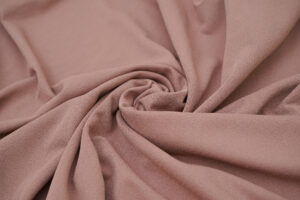

Viscose fabric is a semi-synthetic textile made from wood pulp. It’s soft, breathable, and highly versatile—making it a top choice for fashion brands and manufacturers. Buying viscose fabric wholesale cuts costs, improves supply chain efficiency, and opens access to a wide range of quality options.
Viscose fabric shows up everywhere—in flowy summer dresses, lightweight linings, soft bedsheets, and even medical textiles. Yet many buyers don’t fully understand what they’re purchasing, how it’s made, or how to source it smartly at wholesale prices.
This guide covers all of it. From viscose’s properties and manufacturing process to how to evaluate suppliers and spot quality, here’s what you need to know before you buy viscose fabric wholesale.
What Is Viscose Fabric?
Viscose is a semi-synthetic fabric made from cellulose, typically sourced from wood pulp. It sits between natural and synthetic textiles—derived from natural raw materials but processed through chemical treatment.
Often referred to as “rayon” in the United States, viscose has been in production since the late 19th century. It was first developed in France in 1884 as an affordable alternative to silk. By the early 20th century, it became widely manufactured due to its silk-like feel and low production cost.
Why Choose Viscose for Wholesale?
Viscose hits a sweet spot: it’s affordable to produce, versatile across product categories, and offers a premium look and feel. For fashion brands, home textile manufacturers, and product developers, buying viscose fabric in bulk makes strong commercial sense.
Properties and Characteristics of Viscose Fabric
Understanding viscose’s physical properties helps buyers make better sourcing decisions.
- Softness and drape: Viscose is naturally soft and flows well, making it ideal for draped garments and lightweight clothing.
- Breathability: The fabric allows air circulation, keeping wearers cool—a major advantage in warm climates.
- Absorbency: Viscose absorbs moisture readily, which improves comfort but also means it requires careful handling when wet.
- Dyeability: Viscose fabric takes dye exceptionally well, producing vibrant, consistent colors—perfect for custom prints and seasonal collections.
- Durability and care: Viscose is less durable than cotton or polyester. It can shrink or distort when washed incorrectly, so proper care is essential.
How Is Viscose Fabric Manufactured?
Raw Materials: Wood Pulp
Production starts with cellulose extracted from trees like eucalyptus, bamboo, or pine. These fast-growing plants make viscose theoretically renewable, though the sustainability of the process depends on responsible sourcing.
Chemical Treatment
The cellulose is dissolved using sodium hydroxide and carbon disulfide to create a thick liquid called viscose solution. This chemical step is what classifies viscose as semi-synthetic. The process requires careful management to reduce toxic chemical discharge.
Spinning and Weaving
The viscose solution is pushed through a spinneret—a device with tiny holes—into an acid bath, where it solidifies into fibers. These fibers are then spun into yarn and woven or knitted into fabric.
Applications of Viscose Fabric Across Industries
Fashion and Apparel
Viscose is a staple in the fashion industry. Its lightweight texture and excellent dye uptake make it suitable for tops, dresses, skirts, scarves, and linings. Many D2C fashion brands use viscose as a core fabric in their collections.
Home Textiles
Bedsheets, curtains, and cushion covers benefit from viscose’s soft texture and visual appeal. Blended with cotton or polyester, viscose adds a luxurious feel to everyday home products.
Non-Woven Products
Viscose fibers are also used in non-woven applications including wipes, medical bandages, and hygiene products—reflecting the fabric’s broad commercial utility.
Advantages of Buying Viscose Fabric Wholesale
Cost-Effectiveness
Wholesale pricing significantly reduces the per-meter cost of viscose fabric. For brands producing at volume, this margin difference is substantial. Buying in bulk also reduces the frequency of reorders and lowers shipping costs per unit.
Wide Range of Options
Wholesale suppliers typically offer viscose in multiple weights, weaves, and finishes—from plain viscose georgette to jacquard-woven variants. This gives buyers access to a wider product range than retail purchasing allows.
Supply Chain Benefits
Consistent bulk sourcing builds reliability into your production cycle. With steady stock and predictable delivery timelines, manufacturers can plan collections and fulfill orders without delay.
Factors to Consider When Sourcing Wholesale Viscose
Quality and Grade
Not all viscose fabric is the same. Check fabric weight (GSM), thread count, and finish consistency. Request samples before committing to large orders.
Supplier Reputation
Work with suppliers who have a documented track record. Look for client testimonials, verified reviews, and evidence of international supply experience. Fabriclore Pvt Ltd is one of the most trusted local and online suppliers of viscose fabric wholesale in India, serving 400+ private labels globally with customized fabric at low MOQs.
Minimum Order Quantity (MOQ)
MOQ requirements vary widely between suppliers. If you’re a growing brand with lean inventory needs, prioritize suppliers who offer flexible MOQs—like Fabriclore, which is known for accommodating smaller-scale customization alongside high-volume orders.
Sustainability and Certifications
Look for certifications such as FSC (Forest Stewardship Council) for responsibly sourced wood pulp and Oeko-Tex Standard 100 for fabrics tested free from harmful substances. These certifications protect your brand and align with evolving consumer expectations.
Pricing and Payment Terms
Compare pricing structures across suppliers. Clarify payment terms, currency handling for international orders, and any hidden costs like inspection fees or shipping surcharges.
Sustainable Aspects of Viscose Production
Viscose has faced scrutiny for its chemical-intensive manufacturing process. However, producers are increasingly adopting cleaner methods.
Closed-loop systems, used in the production of Lyocell (a viscose-family fiber), recycle up to 99% of the chemicals used in processing. Ecovero, produced by Lenzing AG, is a certified viscose variant made with significantly lower environmental impact compared to generic viscose.
When sourcing viscose fabric wholesale, prioritize suppliers who source pulp from FSC-certified forests and hold Oeko-Tex certifications. This keeps your supply chain defensible as sustainability scrutiny increases.
Viscose vs. Other Fabrics: Key Comparisons
Viscose vs. Cotton
Cotton is more durable and easier to care for than viscose. However, viscose is lighter, drapes better, and takes dye more vividly. For flowy garments or vibrant prints, viscose often wins. For everyday workwear or heavy-use items, cotton holds up longer.
Viscose vs. Rayon Variants (Modal, Lyocell, Bemberg)
Modal and Lyocell are both cellulose-based fibers, like viscose, but use cleaner production methods. Modal offers greater softness and stretch retention. Lyocell (often sold as Tencel) is the most eco-friendly option. Bemberg (cupro) offers a silky finish ideal for premium linings. Standard viscose is the most affordable of the group.
Viscose vs. Polyester
Polyester is more durable, wrinkle-resistant, and moisture-wicking. Viscose feels more natural against the skin and biodegrades much more readily. For performance wear, polyester leads. For comfort, breathability, and aesthetics, viscose is the stronger choice.
How to Care for Viscose Fabric
Washing and Drying
Hand wash viscose in cold water with a mild detergent. If machine washing, use a delicate cycle. Avoid wringing—press out excess water gently. Lay flat to dry rather than hanging, which can distort the shape.
Ironing
Iron viscose while slightly damp on a low heat setting. High heat can scorch or damage the fibers. Use a pressing cloth if ironing on the right side of the fabric.
Storage
Store viscose garments folded, not hung, to prevent stretching. Keep away from direct sunlight for long periods, as viscose can fade.
Future Trends in Viscose Fabric
Innovations in Sustainable Production
The textile industry is moving fast on cleaner viscose production. Lyocell-style closed-loop processes are increasingly being applied to standard viscose manufacturing, reducing water consumption and chemical discharge.
New Blends and Applications
Viscose is being blended with recycled fibers, linen, and even bamboo to create hybrid fabrics with improved durability and sustainability credentials. Demand for viscose in activewear blends and technical textiles is also rising, opening new application categories.
Making the Right Choice for Your Brand
Viscose fabric remains one of the most commercially viable materials in textile manufacturing. It’s affordable, versatile, and adaptable across product categories—from high-street fashion to medical textiles.
Buying viscose fabric wholesale gives brands cost efficiency, supply consistency, and access to a broader range of fabric options. The key is choosing the right supplier. Prioritize quality certifications, transparent pricing, flexible MOQs, and a clear sustainability position.
If you’re looking to buy fabric online or source viscose fabric wholesale with full customization options, Fabriclore Pvt Ltd offers one of the most comprehensive platforms for fashion brands and manufacturers—combining competitive wholesale pricing with low MOQs, custom printing, and global delivery.
Viscose is not a niche fabric. It’s a core commercial textile. When you fully understand it, your brand gains a genuine sourcing advantage.
Frequently Asked Questions About Viscose Fabric Wholesale
What is the difference between viscose and rayon?
Viscose and rayon refer to the same type of fabric in most contexts. In the United States, “rayon” is the common term, while “viscose” is used more widely in Europe and Asia. Both describe cellulose-based semi-synthetic fabric made from wood pulp.
Is viscose fabric sustainable?
Standard viscose production involves chemical processing that can be environmentally taxing. However, certified variants like Ecovero and Lyocell use closed-loop systems that significantly reduce chemical and water waste. Always check for FSC and Oeko-Tex certifications when sourcing.
What GSM is best for viscose fabric wholesale?
GSM (grams per square meter) depends on the end product. Lightweight viscose (80–120 GSM) suits dresses and scarves. Mid-weight (130–180 GSM) works well for tops and home textiles. Heavy viscose blends (180 GSM+) are used for upholstery and structured garments.
Where can I buy viscose fabric online at wholesale prices?
You can buy viscose fabric online through platforms like Fabriclore Pvt Ltd, which serves 400+ private labels globally with competitive wholesale pricing, low MOQs, and custom design services.
What certifications should I look for when sourcing viscose wholesale?
Look for Oeko-Tex Standard 100 (confirms no harmful substances), FSC certification (confirms responsibly sourced wood pulp), and GOTS certification if organic processing is a priority for your brand.