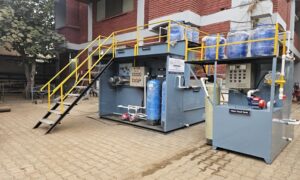

An Effluent Treatment Plant (ETP) is a crucial system designed to treat wastewater generated from industrial processes before it is discharged into the environment or reused. With increasing industrialization and strict environmental regulations, effluent treatment plants have become an essential part of responsible industrial operations. An efficiently designed ETP not only protects natural water bodies but also helps industries comply with pollution control norms and promote sustainable water management.
What Is an Effluent Treatment Plant?
An Effluent Treatment Plant is a facility used to treat industrial wastewater containing harmful chemicals, oils, heavy metals, toxic substances, and organic pollutants. Unlike domestic sewage, industrial effluent varies significantly depending on the type of industry, making customized treatment solutions necessary. The primary goal of an ETP is to remove contaminants and ensure that the treated water meets regulatory standards set by pollution control authorities.
Why Is an Effluent Treatment Plant Important?
Industrial wastewater, if discharged untreated, can cause severe environmental and health hazards. Effluents may contaminate rivers, groundwater, and soil, affecting ecosystems and human life. An ETP is important because it:
- Prevents water pollution and environmental damage
- Ensures compliance with CPCB and SPCB norms
- Protects public health and aquatic life
- Enables water recycling and reuse
- Enhances corporate environmental responsibility
How Does an Effluent Treatment Plant Work?
An Effluent Treatment Plant works through multiple treatment stages, each targeting specific pollutants present in industrial wastewater. The treatment process may vary depending on the nature of effluent, but the general stages include:
- Preliminary Treatment
This stage involves the removal of large solids, debris, oil, and grease using bar screens, oil skimmers, and grit chambers. It helps protect downstream equipment and improves overall plant efficiency.
- Primary Treatment
In primary treatment, effluent undergoes chemical treatment where coagulants and flocculants are added to remove suspended solids, color, and heavy particles. The wastewater is then allowed to settle in clarifiers, where sludge is separated.
- Secondary (Biological) Treatment
This stage focuses on removing dissolved organic matter using microorganisms. Biological processes reduce BOD (Biological Oxygen Demand) and COD (Chemical Oxygen Demand). Common biological treatment methods include:
- Activated Sludge Process (ASP)
- Moving Bed Biofilm Reactor (MBBR)
- Sequencing Batch Reactor (SBR)
- Aerated Lagoons
This stage is critical for achieving pollution control standards.
- Tertiary Treatment
Tertiary treatment is an advanced purification step that removes remaining impurities such as nutrients, pathogens, and dissolved solids. Processes may include sand filtration, carbon filtration, membrane filtration, UV disinfection, or reverse osmosis, depending on reuse or discharge requirements.
- Sludge Treatment and Disposal
The sludge generated during treatment is thickened, dewatered, and disposed of safely or reused as per regulatory guidelines. Proper sludge management is essential to avoid secondary pollution.
What Are the Types of Effluent Treatment Plants?
Effluent Treatment Plants are classified based on industry type, treatment technology, and discharge norms:
- Conventional ETPs: Suitable for industries with moderate effluent load
- Compact ETPs: Ideal for small and medium-scale industries
- Zero Liquid Discharge (ZLD) Systems: Ensure complete reuse of treated water
- Common Effluent Treatment Plants (CETPs): Shared facilities for industrial clusters
Which Industries Require an Effluent Treatment Plant?
ETPs are widely used across multiple industrial sectors, including:
- Textile and dyeing industries
- Pharmaceutical and chemical plants
- Food and beverage processing units
- Dairy and distillery industries
- Pulp and paper mills
- Tanneries and metal processing industries
What Are the Key Benefits of Installing an ETP?
Installing an effluent treatment plant offers several operational and environmental benefits:
- Regulatory Compliance: Meets pollution control standards
- Water Reuse: Reduces freshwater consumption and operating costs
- Environmental Protection: Minimizes pollution and ecological damage
- Operational Efficiency: Improves overall wastewater management
- Sustainability: Supports eco-friendly industrial practices
How Does an ETP Contribute to Sustainable Industrial Growth?
Sustainable development is closely linked to responsible water management. Effluent treatment plants help industries adopt a circular approach to water usage by treating and reusing wastewater. Advanced ETPs integrated with ZLD systems enable industries to recover water, salts, and other valuable resources, reducing dependency on freshwater sources and lowering environmental impact.
What Factors Should Be Considered While Designing an ETP?
Designing an efficient effluent treatment plant requires careful assessment of multiple factors:
- Type and quantity of industrial effluent
- Influent characteristics such as pH, TDS, BOD, and COD
- Required treated water quality
- Available space and budget
- Energy consumption and automation level
- Ease of operation and maintenance
What Is the Future of Effluent Treatment Plants?
The future of effluent treatment plants lies in advanced automation, energy efficiency, and resource recovery. Modern ETPs are increasingly adopting smart monitoring systems, membrane technologies, and zero-liquid-discharge solutions. With growing environmental awareness and stricter regulations, ETPs will continue to play a vital role in sustainable industrial development.
Conclusion
An Effluent Treatment Plant is an indispensable system for industries aiming to operate responsibly and sustainably. By treating industrial wastewater effectively, ETPs protect the environment, conserve water resources, and ensure regulatory compliance. As industries grow and environmental challenges intensify, investing in a reliable and efficient effluent treatment plant is not just a legal requirement but a commitment to a cleaner and more sustainable future.