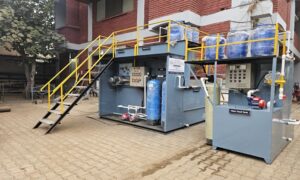

An Effluent Treatment Plant is a specialized system designed to treat industrial wastewater before it is discharged into the environment or reused within the process. With increasing industrialization and strict environmental regulations, effluent treatment plants have become an essential requirement for industries such as pharmaceuticals, textiles, chemicals, food processing, tanneries, power plants, and many more. But what exactly is an ETP, how does it work, and why is it so important for industries today? This article explores these questions in detail.
What Is an Effluent Treatment Plant?
An Effluent Treatment Plant is an engineered facility that removes contaminants from industrial wastewater. Industrial effluent typically contains high levels of BOD, COD, TDS, heavy metals, oils, greases, toxic chemicals, dyes, and suspended solids, which cannot be discharged directly into water bodies or municipal sewers.
The primary purpose of an ETP is to treat this wastewater to meet CPCB and SPCB discharge standards, ensuring environmental protection and regulatory compliance.
Why Is Effluent Treatment Necessary for Industries?
Industrial wastewater is fundamentally different from domestic sewage. It often contains:
- Toxic and non-biodegradable substances
- High organic and inorganic load
- Extreme pH levels
- Colour, odour, and hazardous chemicals
If untreated effluent is released into the environment, it can cause:
- Severe water and soil pollution
- Groundwater contamination
- Harm to aquatic life
- Health risks to nearby communities
- Legal penalties and plant shutdowns
How Does an Effluent Treatment Plant Work?
An ETP works through a combination of physical, chemical, and biological treatment processes, selected based on effluent characteristics. The treatment process generally includes the following stages:
- Preliminary Treatment – What Is Removed First?
This initial stage removes large and unwanted materials to protect downstream equipment. It includes:
- Bar screens for plastics and debris
- Oil and grease traps
- Grit chambers
- Equalization tanks to balance flow and load
- Primary Treatment – How Are Suspended Solids Removed?
Primary treatment focuses on removing suspended solids and adjusting wastewater characteristics:
- pH correction using acid or alkali dosing
- Coagulation and flocculation using chemicals
- Primary clarifiers for settling solids
- Secondary Treatment – How Are Organic Pollutants Treated?
Secondary treatment uses biological processes to break down organic matter. Common technologies include:
- Activated Sludge Process (ASP)
- Moving Bed Biofilm Reactor (MBBR)
- Sequencing Batch Reactor (SBR)
- Aerated lagoons
- Tertiary Treatment – Why Is Advanced Treatment Required?
Tertiary treatment enhances effluent quality for reuse or stringent discharge norms. It may involve:
- Pressure sand filters (PSF)
- Activated carbon filters (ACF)
- Ultrafiltration (UF) and Reverse Osmosis (RO)
- Advanced oxidation processes
- Sludge Treatment – What Happens to the Waste?
Effluent treatment generates sludge that must be handled safely. Sludge treatment includes:
- Sludge thickening
- Filter press or centrifuge dewatering
- Safe disposal or co-processing
What Are the Different Types of Effluent Treatment Plants?
ETPs are customized according to industry type and effluent composition. Common categories include:
- Chemical ETPs – For high TDS and toxic effluents
- Biological ETPs – For biodegradable wastewater
- Combined ETPs – Physical, chemical, and biological systems
- ZLD-based ETPs – Complete water recovery systems
Which Industries Require Effluent Treatment Plants?
Effluent treatment plants are mandatory for:
- Pharmaceutical and chemical industries
- Textile and dyeing units
- Food and beverage processing plants
- Tanneries and leather industries
- Paper and pulp industries
- Power plants and refineries
What Are the Benefits of Installing an Effluent Treatment Plant?
An efficient ETP offers several advantages:
- Compliance with environmental regulations
- Protection of natural water resources
- Reduced freshwater consumption through reuse
- Lower environmental footprint
- Enhanced corporate social responsibility
- Avoidance of legal penalties and closures
Can Treated Effluent Be Reused in Industries?
Yes, treated effluent can be reused for:
- Cooling towers
- Boiler feed (after RO treatment)
- Floor washing and gardening
- Process water (depending on quality)
What Factors Should Be Considered While Designing an ETP?
Key design considerations include:
- Effluent flow rate and characteristics
- Required discharge or reuse standards
- Space availability
- Energy consumption
- Sludge generation and disposal
- Automation and ease of operation
Why Are Effluent Treatment Plants Important for Sustainable Industrial Development?
Effluent treatment plants play a crucial role in balancing industrial growth with environmental protection. They prevent pollution, conserve water, and promote responsible manufacturing practices. In today’s regulatory environment, an ETP is not just a legal requirement—it is a cornerstone of sustainable and ethical industry operations.
Conclusion:
Absolutely. An effluent treatment plant is a long-term investment that ensures compliance, protects the environment, and enables water reuse. As industries move toward sustainability and Zero Liquid Discharge systems, ETPs will continue to be at the forefront of wastewater management solutions.