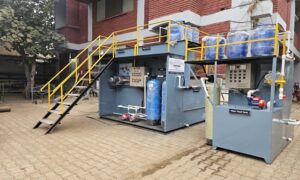

In the modern industrial landscape, managing wastewater is not only an environmental responsibility but also a legal and operational necessity. Industries, commercial units, and manufacturing plants generate effluents that contain various contaminants, including organic matter, chemicals, heavy metals, and suspended solids. Improper disposal of these effluents can lead to water pollution, regulatory penalties, and damage to company reputation. This is where Effluent Treatment Plants play a crucial role in treating wastewater efficiently and sustainably.
What is an Effluent Treatment Plant?
An Effluent Treatment Plant is a specialized system designed to treat industrial wastewater before it is discharged into the environment or reused in processes. The primary purpose of an ETP is to remove pollutants, reduce Biochemical Oxygen Demand, Chemical Oxygen Demand (COD), suspended solids, oils, and other contaminants from wastewater, making it safe for disposal or reuse.
ETPs are commonly used across various industries such as textiles, pharmaceuticals, chemical manufacturing, food and beverage, and metal processing. They ensure compliance with environmental standards set by regulatory bodies like the Central Pollution Control Board (CPCB) in India.
How Does an Effluent Treatment Plant Work?
The operation of an ETP can be broadly categorized into several stages:
- Preliminary Treatment
- Wastewater first passes through screens to remove large debris such as plastics, rags, and stones.
- Grit chambers separate sand, grit, and other heavy particles to prevent damage to pumps and equipment.
- Oil-water separators remove floating oils and grease from industrial effluent.
- Primary Treatment
- The wastewater enters settling tanks or clarifiers, where heavier solids settle at the bottom as sludge.
- Lighter impurities float to the surface and are skimmed off.
- The primary objective is to reduce the total suspended solids (TSS) and prepare the water for biological treatment.
- Secondary Treatment (Biological Treatment)
- This stage focuses on removing dissolved organic matter.
- Common processes include:
- Activated Sludge Process (ASP): Uses aeration tanks where microbes decompose organic pollutants.
- Moving Bed Biofilm Reactor (MBBR): Biofilm carriers provide a large surface area for microbial growth, improving efficiency.
- Sequencing Batch Reactor (SBR): Treats wastewater in batches, allowing flexibility for varying industrial loads.
- Tertiary Treatment
- This step ensures the water meets quality standards for reuse or discharge.
- Techniques include sand filtration, activated carbon treatment, chemical dosing, and disinfection (UV or chlorination).
- Some industries may also use reverse osmosis (RO) or ion exchange for high-salt effluent streams.
- Sludge Management
- Sludge generated during primary and secondary treatments is thickened, dewatered, and disposed of safely.
- Dewatered sludge can sometimes be used for landfill, composting, or energy generation, depending on its composition.
Types of Effluent Treatment Plants
ETPs are designed based on the type of effluent, industry needs, and the volume of wastewater. Common types include:
- Physical ETPs – Use gravity, filtration, or sedimentation to remove solids and impurities.
- Chemical ETPs – Employ chemical reactions such as coagulation, flocculation, neutralization, and precipitation to remove contaminants.
- Biological ETPs – Utilize microorganisms to degrade organic matter efficiently.
- Hybrid ETPs – Combine physical, chemical, and biological treatments for maximum efficiency.
- Zero Liquid Discharge (ZLD) Systems – Advanced ETPs designed to recover and reuse all water, leaving no effluent for discharge.
Applications of Effluent Treatment Plants
ETPs are used in almost every industrial sector to ensure safe wastewater disposal and regulatory compliance:
- Textile Industry: Treats dye wastewater containing high BOD, COD, and color.
- Chemical and Pharmaceutical Plants: Removes toxic chemicals and organic pollutants.
- Food and Beverage Industry: Handles effluents rich in oils, grease, and organic matter.
- Metal Plating and Electroplating Units: Removes heavy metals like chromium, nickel, and copper.
- Paper and Pulp Industry: Treats high-strength effluent containing lignin and suspended solids.
- Municipal and Commercial Applications: Reduces environmental impact of community wastewater.
Benefits of Installing an Effluent Treatment Plant
Investing in an ETP offers multiple advantages for industries and businesses:
✅ 1. Environmental Compliance
ETPs help industries adhere to CPCB and state pollution control board norms, avoiding fines and legal issues.
✅ 2. Water Reuse and Conservation
Treated effluent can be reused for cooling, irrigation, or industrial processes, reducing freshwater consumption.
✅ 3. Cost Efficiency
By minimizing wastewater discharge volume and recycling water, operational costs are significantly reduced.
✅ 4. Improved Corporate Image
Adopting eco-friendly practices boosts the reputation of industries among customers, investors, and regulatory bodies.
✅ 5. Safe Disposal of Sludge
ETPs ensure that sludge generated is managed in an environmentally responsible way, reducing soil and water contamination.
✅ 6. Sustainability
Efficient effluent treatment contributes to overall sustainable development goals, conserving water and reducing environmental footprint.
Key Considerations While Choosing an Effluent Treatment Plant
When selecting an ETP, it is important to evaluate the following:
- Type of Effluent: Identify whether the wastewater is high in organic load, chemicals, heavy metals, or mixed effluent.
- Flow Rate: Determine the daily volume of wastewater to be treated.
- Discharge Standards: Ensure the ETP can meet local environmental regulations.
- Space Constraints: Choose a compact or modular design if installation space is limited.
- Automation Level: Consider manual, semi-automatic, or fully automated systems depending on operation requirements.
- Maintenance and Support: Opt for a manufacturer that provides reliable after-sales support and training.
Why Partner with a Trusted ETP Manufacturer in India?
Selecting a reliable ETP manufacturer ensures that your wastewater treatment system is efficient, durable, and compliant with all environmental regulations. A reputed manufacturer provides:
- Customized Design: Tailored solutions based on industry type and effluent characteristics.
- High-Quality Construction: Sturdy and corrosion-resistant equipment for long service life.
- Energy-Efficient Operation: Reduces operational expenses without compromising performance.
- Automation and Monitoring: PLC-controlled or SCADA-integrated systems for ease of operation.
- After-Sales Service: Prompt support for maintenance, spare parts, and troubleshooting.
Kelvin Water Technologies – Leading ETP Manufacturer in India
Kelvin Water Technologies Pvt. Ltd. is one of India’s most trusted providers of Effluent Treatment Plants. The company specializes in delivering turnkey, efficient, and eco-friendly wastewater treatment solutions for industrial, commercial, and municipal applications.
Why Choose Kelvin Water Technologies?
- Advanced Technology: MBBR, SBR, MBR, and ZLD systems for varied industrial needs.
- Customized Solutions: Plants designed according to the wastewater characteristics and discharge standards.
- Sustainability Focus: Promotes water reuse and energy-efficient operations.
- Robust Construction: Ensures minimal downtime and long-term reliability.
- End-to-End Services: From design, fabrication, and installation to commissioning and maintenance.
Conclusion
An Effluent Treatment Plant is no longer optional — it is an essential infrastructure for modern industries and communities. Proper effluent management safeguards the environment, ensures compliance with regulatory norms, conserves water, and enhances the overall sustainability of industrial operations.
Investing in a reliable and technologically advanced ETP from a reputable manufacturer like Kelvin Water Technologies Pvt. Ltd. guarantees high efficiency, operational ease, and long-term environmental compliance. With tailored solutions and robust support, industries can efficiently manage wastewater while contributing to a cleaner, greener future.