
When we think of Parkinson’s, the image that usually comes to mind is an elderly person with a pronounced hand tremor. It’s the “classic” symptom we’ve seen in movies or news clips. But here’s the reality: by the time a visible tremor appears, the condition may have been quietly progressing for years.
The early stages of parkinson’s disease are often incredibly subtle. They don’t arrive with a bang; they arrive with a whisper: a slightly cramped handwriting, a stiff shoulder, or a mood shift that you might blame on “just getting older” or a stressful week at work.
Understanding these whispers is vital. While there is currently no cure, early intervention is the golden key to maintaining quality of life for as long as possible.
The “Hidden” Symptoms You Might Be Missing
It’s easy to dismiss small physical changes, but when several of these parkinson’s disease symptoms begin to cluster, it’s time to pay attention.
- Loss of Smell (Anosmia): This is one of the most significant early red flags. If you find you can no longer smell pungent foods like cinnamon, vinegar, or coffee and you don’t have a cold or a stuffed nose, it’s worth noting. This symptom can precede motor issues by nearly a decade.
- Micrographia (Small Handwriting): Have you noticed your handwriting getting smaller or the words becoming crowded together as you write? This change in fine motor control is a hallmark early sign.
- Sleep Disturbances: We aren’t just talking about insomnia. Acting out vivid dreams, thrashing in bed, or falling out of bed (REM Sleep Behavior Disorder) is strongly linked to the eventual development of the disease.
- The “Parkinson’s Mask”: Friends or family might ask if you’re upset or serious, even when you feel fine. This happens because the facial muscles become stiff or slow to move, leading to a fixed, expressionless look.
- Soft Speech: If people constantly ask you to repeat yourself because your voice has become quiet or breathy, it might not be a throat issue. It could be a lack of vocal muscle coordination.
What Is the parkinson’s disease cause?
Understandably, the first question anyone asks after a diagnosis (or even a suspicion) is why?
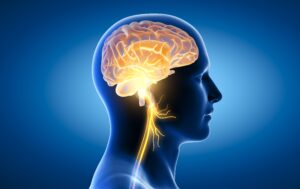
The fundamental parkinson’s disease cause lies in the loss of nerve cells in a part of the brain called the substantia nigra. These cells are responsible for producing dopamine, the chemical messenger that allows for smooth, coordinated muscle movement. When about 60% to 80% of these dopamine-producing cells are damaged, the physical symptoms begin to surface.
While we don’t have a single “smoking gun” cause, researchers believe it is a complex cocktail of:
- Genetics: Specific gene mutations can play a role, though this is less common than people think.
- Environmental Triggers: Exposure to certain toxins, pesticides, or heavy metals over a long period may increase risk.
- Age: Simply put, the risk increases as we get older, typically appearing around age 60 or older.
When Should You See a Doctor?
If you have a slight tremor after a heavy workout or a night of poor sleep, don’t panic. Occasional shakiness is normal. However, you should schedule an appointment with a neurologist if you notice persistent changes in your movement, balance, or mood.
The “Rule of Three”: If you are experiencing three or more of the “hidden” signs mentioned above, or if you notice a resting tremor (a shake that happens when your limb is relaxed), it is time for a professional evaluation.
There is no single blood test or brain scan that can definitively diagnose the condition. Instead, a doctor will perform a clinical exam, looking at your gait, your muscle tone, and your medical history.
Navigating Modern parkinson’s disease treatments
The word “incurable” is frightening, but it’s important to realize that parkinson’s disease is highly manageable. We have come a long way from the limited options of thirty years ago.
Today, parkinson’s disease treatments are focused on symptom management and improving daily function. They generally fall into three categories:
- Medication
The most common approach involves drugs that either replace dopamine or mimic its effects. Levodopa remains the “gold standard” medication, often combined with Carbidopa to ensure it reaches the brain effectively.
- Specialized Therapies
- Physical Therapy: Focuses on balance and “big” movements to counteract stiffness.
- Speech Therapy: Specifically, programs like LSVT LOUD, which help patients regain their vocal volume and clarity.
- Occupational Therapy: Helps adapt your home and workspace to keep you independent.
- Surgical Options
For those whose symptoms don’t respond well to medication, Deep Brain Stimulation (DBS) has been a game-changer. It involves implanting electrodes in the brain that send electrical pulses to block the signals causing tremors and rigidity.
A Final Word of Hope
A diagnosis is not a full stop; it’s a comma. Many people live active, fulfilling lives for decades after discovering they have the disease. The key is to be your own best advocate. Listen to your body, don’t ignore the “quiet” symptoms, and seek out a specialist who views treatment as a partnership.
Knowledge is power. By recognizing the early signs today, you are taking the first step toward a more manageable tomorrow.