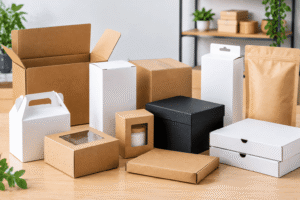

Choosing a packaging box sounds easy until you actually have to choose one. A box that works for books might be completely wrong for glassware, clothing or heavy machine parts. Get the size or strength wrong, and you could end up with damaged goods, wasted space or a packing process that takes longer than it should.
That is why choosing the right packaging supplies matters. From everyday cartons to specialist boxes, each type has a job. Let’s look at the options and where they fit. This simple choice can also affect protection, cost, storage space, and packing time.
Which Boxes Are Best for Everyday Packing?
For storage, moving and dispatching, standard corrugated cartons are a good starting point. Different sizes and strengths let you match the box to the product.
Single-Wall Cartons
Single-wall cartons suit lighter products that don’t need heavy-duty protection. They are easier to carry around a warehouse.
- Lightweight and easy to handle
- Suitable for general storage and deliveries
- Available in many sizes
Double-Wall Cartons
Heavy products need a box that can cope with extra weight. Double-wall cartons have two layers of corrugated material, giving them more rigidity than single-wall options.
They work well for tools, equipment, machinery parts and removals.
- Better for heavier items
- Offers extra strength during handling
- Useful for removals and industrial shipments
Could Postal Boxes Make Online Orders Easier?
If you run an online shop, packing can quickly eat into your workday. When dozens of orders are waiting, a box that takes seconds to assemble can make a difference.
Postal boxes and die-cut cartons are designed for quick, convenient packing.
Crash-Lock Boxes
Crash-lock boxes are popular because they assemble quickly. The base folds into position without needing you to tape the bottom together. Add a peel-and-seal strip and closing the parcel becomes even simpler.
- Fast to assemble
- Peel-and-seal versions can reduce tape use
- Convenient for regular e-commerce orders
Book Wraps and Envelope Boxes
A book doesn’t need a huge carton with lots of empty space. Book wraps and envelope-style boxes are made for flatter products and provide a much closer fit.
They work well for books, notebooks, and stationery.
- Good for books and flat products
- Reduces unnecessary space
- Gives parcels a tidy finish
What About Boxes Made for Clothing?
Clothing can be awkward to pack, especially formalwear. A T-shirt is easy enough, but folding a suit or evening dress several times is another matter.
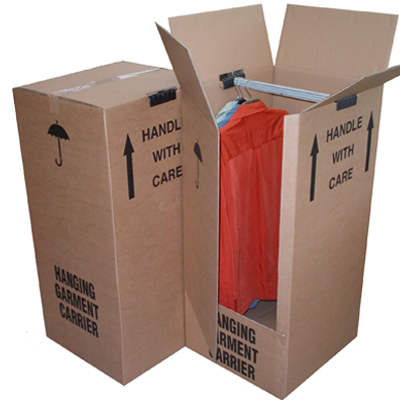
Wardrobe garment boxes let clothes stay on hangers while stored or moved, saving time and reducing unwanted creases.
Wardrobe Garment Boxes
These are useful when garments need to arrive presentable.
- Keeps hanging clothes in better shape
- Helps reduce creasing
- Suitable for dresses, suits and coats
When Do You Need a Specialist Box?
Not every product suits a standard carton. Fragile, unusually shaped or very large items often need something more specific.
Depending on the product, you might need foam-lined packaging, pallet boxes or another specialist design.
Foam-Lined Boxes
With fragile products, stopping movement inside the box is as important as choosing a sturdy outer carton. Foam lining adds a protective layer.
- Helps keep products from shifting
- Adds cushioning for delicate goods
- Useful for valuable or sensitive items
Pallet Boxes
When moving large quantities, dozens of small cartons may not be practical. Pallet boxes are designed for larger loads and suit warehouses, manufacturing and distribution.
- Suitable for large or bulky loads
- Works well with palletised transport
- Useful for warehouse and export operations
How Do You Match the Box to Your Product?
The product should always come first. Before ordering a box, consider its dimensions, weight, fragility and how it will be transported.
|
Product |
Suitable box |
Main benefit |
|
Clothing |
Wardrobe or postal box |
Easier garment handling |
|
Books |
Book wrap |
Close-fitting protection |
|
Online orders |
Crash-lock box |
Quicker packing |
|
Heavy stock |
Double-wall carton |
Greater strength |
|
Delicate goods |
Foam-lined box |
Added cushioning |
|
Bulk shipments |
Pallet box |
Easier large-load handling |
|
Product |
Suitable box |
Main benefit |
For example, an online fashion retailer may use postal cartons for T-shirts but wardrobe boxes for suits and dresses. A manufacturer may need double-wall cartons for components and pallet boxes for larger batches.
Why Does the Right Box Matter?
Packaging does more than hold a product. The wrong box can mean more protective material, storage space and packing time. It can also leave products vulnerable during delivery.
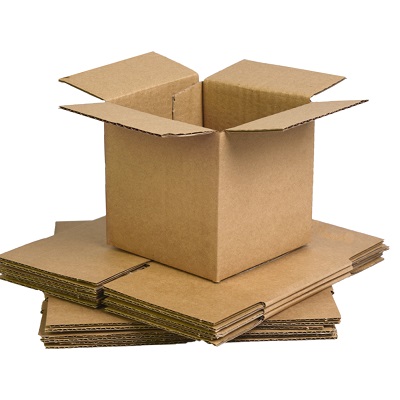
That is why cardboard boxes remain practical for retail orders, removals and warehouse stock. Different board strengths and formats let you choose what suits the job.
What Should You Check Before Ordering?
Before ordering in bulk, check your requirements. It can save you from cartons that are too big, too small or not strong enough.
- Measure products with protective material included
- Consider how much cushioning the item needs
- Choose stronger board for heavier or fragile products
Conclusion
The best packaging box is not necessarily the biggest, thickest or cheapest. It is the one that suits the product and how it will be stored, packed and transported.
From E-commerce boxes and postal cartons to wardrobe, foam-lined and pallet options, there are plenty of choices. Knowing what each type does makes choosing packaging simpler.
FAQs
What type of box is best for e-commerce?
Crash-lock postal boxes are a convenient choice for online orders because they assemble quickly and can include peel-and-seal closures.
Are double-wall boxes stronger than single-wall boxes?
Generally, yes. Double-wall cartons provide added rigidity and suit heavier products or shipments that may face more demanding handling.
What are wardrobe boxes used for?
Wardrobe boxes are designed to transport hanging clothes such as suits, dresses, coats and trousers while helping to minimise creasing.
Which boxes are suitable for fragile products?
Foam-lined boxes offer extra cushioning and help prevent delicate products from moving too much during transit.
How do I choose the correct box size?
Measure the product first, including any protective material. The box should leave room for cushioning without excess space.