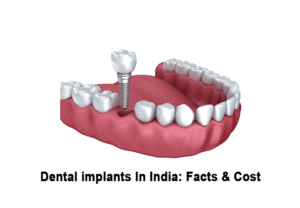

If you have been researching All-on-4 dental implants in India, you have probably already come across a wide range of cost figures, conflicting advice, and plenty of half-truths. The procedure – where a full arch of teeth is anchored onto just four strategically placed implants – has genuinely changed lives. But misunderstandings about what the process involves, how much it costs, and what happens after surgery continue to mislead people at a critical point in their decision-making. This article cuts through the noise: it addresses the most persistent myths, walks you through genuine post-operative care, and explains what sustaining your results actually looks like over months and years. If you are already deep into your research, this is where things start to get practical.
What All-on-4 Actually Costs in India (And Why Figures Vary So Much)
A realistic range for All-on-4 in India sits between ₹3,00,000 and ₹6,50,000 per arch, depending on the city, the clinic’s infrastructure, the implant brand used, and the type of final prosthesis. Zirconia bridges cost more than acrylic ones. Clinics in metro cities tend to charge differently from those in smaller towns. The surgeon’s experience and the diagnostic technology available – CT scans, digital impressions – also affect pricing.
What this range does not tell you is what you are actually getting. A lower quote may exclude the temporary prosthesis, bone grafting if needed, or follow-up consultations. Always ask for an itemised treatment plan before comparing costs across clinics.
What Is Typically Included in the Cost
A comprehensive All-on-4 package generally covers pre-surgical consultation and imaging, implant placement surgery, anaesthesia or sedation, a temporary immediate-load prosthesis, and the final bridge placement after the healing period. Some clinics bundle in one or two follow-up visits as well.
What Is Often Left Out
Extractions, bone grafting, treatment for existing gum disease, and long-term maintenance appointments are frequently quoted separately. Make sure you ask specifically about these before agreeing to any treatment plan.
Busting Common Myths About All-on-4 Implants
Misinformation tends to cluster around three areas: who is eligible, how painful it is, and how long results last. Here is what the evidence actually shows.
Myth: You Need Perfect Bone Density to Be a Candidate
This is one of the most common reasons people talk themselves out of pursuing the procedure. All-on-4 was specifically designed to work with reduced bone volume by angling the posterior implants to avoid areas of significant bone loss. Many patients who were previously told they were not suitable for conventional implants are good candidates for All-on-4. A proper CBCT scan will give far more accurate information than a general assumption based on age or tooth loss history.
Myth: The Recovery Is Extremely Painful
Discomfort after surgery is real, but severe unmanaged pain is not the norm. Most patients report soreness, mild swelling, and fatigue in the first few days. Prescribed medications and cold compresses manage the bulk of it. Clinics offering Nallagandla implant dentistry solutions typically brief patients thoroughly on what to expect post-surgery, which goes a long way in reducing anxiety and ensuring proper care at home.
Myth: All-on-4 Is a Permanent, Zero-Maintenance Solution
The implants themselves, once osseointegrated, can last decades. But the prosthetic bridge is a separate matter. Acrylic bridges may need replacement every 5–10 years. Even zirconia bridges require professional attention over time. Treating All-on-4 as a one-time fix and neglecting maintenance is one of the main reasons people experience complications years down the line.
Aftercare in the First Weeks: What You Must Get Right
The period immediately following surgery is when the implants are most vulnerable. Osseointegration – the process by which the implant fuses with the jawbone – takes roughly three to six months. What you do during this window significantly affects long-term success.
Stick to soft foods for at least six to eight weeks. Avoid anything hard, crunchy, or sticky. Do not smoke; tobacco dramatically increases the risk of implant failure. Rinse with the prescribed antimicrobial mouthwash, but avoid vigorous swishing early on. Attend every scheduled post-operative appointment even when you feel fine – early issues caught on imaging may be invisible to you otherwise.
Long-Term Maintenance: The Part Most Articles Skip
Successful All-on-4 outcomes over ten or more years depend heavily on a maintenance routine that most patients underestimate at the outset. Unlike natural teeth, implant-supported bridges do not get cavities – but the surrounding gum tissue and underlying bone can still be affected by bacterial build-up if oral hygiene is neglected.
Home Care Essentials
Water flossers are strongly recommended for cleaning under and around the bridge where traditional floss cannot reach. Soft-bristled brushes and non-abrasive toothpastes protect the prosthetic surface. Cleaning twice daily is non-negotiable; once-a-day cleaning is not sufficient for implant-supported restorations.
Professional Maintenance Schedule
A professional clean every six months is the minimum. Your dentist will use instruments that are safe for implant surfaces – not the same as those used on natural teeth. Periodic X-rays or 3D imaging help monitor bone levels around the implants over time. Expert dental implants Nallagandla providers often set up structured recall programmes precisely because consistent follow-up is what protects a patient’s long-term investment.
Signs That Something Needs Attention
Persistent gum redness, unusual movement in the bridge, difficulty chewing, or a bad taste that does not resolve with cleaning are all signals to contact your dentist promptly. Peri-implantitis – infection of the tissue around the implant – is manageable when caught early and significantly more complicated when it is not.
Choosing the Right Clinic for Long-Term Support
The relationship with your dental provider does not end when the final bridge is fitted. Access to consistent, knowledgeable follow-up care is as important as the surgery itself. Look for clinics that have in-house imaging capabilities, a structured maintenance programme, and a team that is willing to answer your questions at every stage – not just at the consultation.
SmyleXL Modern Dental Solutions is one example of a practice that approaches implant care as a long-term relationship rather than a single procedure.
Conclusion
All-on-4 dental implants in India offer a genuine path to restored function and confidence – but only when approached with accurate information and a genuine commitment to aftercare. The costs are meaningful but comparable to international options, and the outcomes can be excellent when the right clinical team and patient habits come together. Myths around eligibility, pain, and permanence hold too many people back from a procedure that could genuinely improve their quality of life. If you are at the research stage, take time to get an itemised quote, ask about what the maintenance protocol looks like, and schedule a proper consultation so your specific bone and gum condition can be assessed. Informed decisions consistently lead to better results – and this one is worth getting right.
Frequently Asked Questions
Is All-on-4 suitable for someone who has been wearing dentures for many years?
Yes, in many cases. Long-term denture wearers often have reduced bone volume, but All-on-4 was specifically designed to work with available bone by angling the implants strategically. A CBCT scan will confirm whether there is enough bone to proceed or whether preparatory treatment is needed first.
How long does it take to get the final bridge after surgery?
Most patients receive a temporary prosthesis on the same day as surgery. The permanent final bridge – typically zirconia – is usually placed after three to six months, once osseointegration is confirmed through imaging.
Can All-on-4 implants fail, and what causes failure?
Implant failure is uncommon but not impossible. The most significant risk factors are smoking, uncontrolled diabetes, poor oral hygiene, and skipping follow-up appointments. Peri-implantitis, if left unaddressed, can also compromise the bone supporting the implants over time.
Does the cost in India include both upper and lower arches?
The cost quoted by most clinics is per arch. If you need both the upper and lower arches treated, you should expect the total to be roughly double the per-arch figure, though some clinics offer combined treatment packages at a slightly reduced overall rate.
How often will the prosthetic bridge need to be replaced?
Acrylic bridges typically last five to ten years before requiring replacement due to wear. Zirconia bridges are more durable and can last considerably longer with proper care, though periodic professional assessments are still necessary to check for any structural changes or wear patterns.
Source: Cost to Get All-on-4 Dental Implants in India: Myths, Aftercare & Long-Term Maintenance