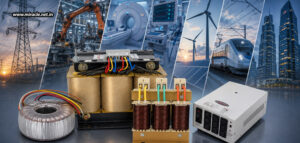

Electrical transformers are the invisible backbone of electrical systems, working endlessly right from the moment electricity is generated to the point it powers homes, offices, hospitals, and factories. Transformers play a critical role in ensuring energy is transmitted efficiently, safely, and at usable voltage levels. Without them, modern power distribution would be inefficient, unstable, and impractical over long distances. Understanding how transformers are used across different environments helps reveal just how deeply embedded they are in modern infrastructure, supporting almost every aspect of daily life, both personal and commercial.
Power systems and electrical distribution infrastructure
At the backbone of every electrical network, transformers enable efficient power flow from generation to end use. High-voltage transmission reduces losses over long distances, while step-down systems ensure safe utilization at distribution and consumption points. In engineered power systems, transformers are designed for voltage regulation, load balancing, grid stability, and minimization of losses. They also help manage fluctuating demand and maintain consistent supply quality across regions. This foundational role makes transformers indispensable in both large-scale public infrastructure and private industrial power systems, ensuring electricity is delivered safely, efficiently, and reliably across every stage of the power network.
Industrial automation and manufacturing systems
One of the most significant application areas for electrical transformers is industrial automation. Factories and production environments use transformers in machines and precision tools, motor control systems, welding and fabrication equipment, process control panels, and automated production lines. In these setups, transformers are not just power devices; they play a critical role in isolating sensitive circuits, stabilizing voltage fluctuations, and ensuring consistent machine performance under dynamic load conditions. Industrial environments demand transformers that can withstand continuous operation, mechanical vibration, dust, and thermal stress, making reliability, durability, and precision engineering essential for uninterrupted manufacturing processes.
Electronics and embedded applications
Beyond heavy industry, transformers are widely used in electronic systems where compact size, efficiency, and precision are essential. Applications include SMPS (Switched Mode Power Supplies), inverters, converters, embedded control systems, communication equipment, and instrumentation circuits. In these systems, transformers ensure voltage conversion, isolation, and noise reduction for sensitive electronic components. They also support high-frequency switching operations while maintaining thermal stability and efficiency. Low electromagnetic interference is critical in these applications, especially in precision electronics. As devices become smaller and more powerful, transformer design must evolve to deliver high performance in compact, energy-efficient, and thermally optimized configurations.
Medical and critical care electrical systems
In healthcare environments, transformers are used where power quality directly impacts human safety, equipment accuracy, and operational continuity. Typical applications include diagnostic imaging systems, life-support machines, patient monitoring devices, surgical equipment, and laboratory instruments. Medical isolation transformers are especially important because they reduce leakage currents and protect sensitive medical equipment from electrical disturbances and noise. These systems require extremely stable voltage regulation and high reliability to ensure uninterrupted operation during critical procedures. In medical environments, transformer performance is directly linked to patient safety, making precision engineering, compliance with strict standards, and consistent electrical performance essential requirements.
Renewable energy integration
Modern renewable energy systems depend heavily on transformer-based power conditioning and grid integration. In solar installations, transformers step up inverter output voltage for efficient grid synchronization and long-distance transmission. In wind energy systems, they help stabilize fluctuating power generation caused by variable wind conditions and ensure compatibility with grid requirements. Transformers also assist in harmonizing frequency and voltage levels between renewable sources and conventional power infrastructure. Since renewable energy output is inherently variable, transformers play a crucial role in maintaining system stability, reducing power fluctuations, and ensuring consistent, grid-compatible energy delivery across integrated renewable networks.
Transportation, railways, and electrified mobility
Electrified transport systems rely on transformers for traction power, control systems, and auxiliary electrical functions. Applications include traction systems in rail networks, metro power distribution, signalling and communication systems, and onboard auxiliary power conversion. These systems require transformers capable of handling continuous operation, high load variations, and dynamic electrical demands. They must also perform reliably under vibration, mechanical stress, and fluctuating environmental conditions. In electrified mobility systems, transformers ensure efficient energy conversion, stable performance, and safe operation, making them a critical component in modern transportation infrastructure that depends on consistent and high-quality electrical power delivery.
Commercial infrastructure and building systems
Commercial complexes, hotels, hospitals, data centres, and institutional buildings rely on transformer-based systems for stable and efficient electrical distribution. Applications include HVAC power regulation, elevators and escalators, IT infrastructure, lighting systems, and emergency backup power management. In these environments, electrical demand fluctuates throughout the day, requiring transformers that can handle variable loads while maintaining voltage stability. They also help protect sensitive equipment from surges and fluctuations. Reliable transformer systems ensure uninterrupted operations, improved energy efficiency, and long-term equipment protection, making them essential for modern commercial infrastructure and high-occupancy buildings.
Consumer and everyday electrical devices
At the smallest scale, transformer technology is embedded in almost every electronic device used in daily life. Applications include mobile chargers, laptop adapters, audio systems, televisions, kitchen appliances, and LED lighting drivers. These miniature transformer systems convert high-voltage AC supply into low-voltage DC power required by electronic circuits. They also provide isolation and protection for sensitive components, ensuring safe and stable device operation. As consumer electronics become more compact and energy-efficient, transformer design plays a crucial role in maintaining performance, reducing heat generation, and ensuring safe electrical conversion in everyday devices used across homes and workplaces.
Engineering importance of transformers across applications
Transformers are not designed as generic, one-size-fits-all components but as application-specific engineered systems tailored to precise operational requirements. Their performance depends on how effectively they meet key engineering objectives such as voltage transformation, electrical isolation, energy efficiency, thermal stability, and load adaptability under real-world conditions. Each application demands a different balance of these parameters, influencing core material selection, winding design, insulation systems, and cooling methods. This is why transformer design varies significantly across sectors such as industrial automation, where durability is critical, medical systems requiring high safety standards, renewable energy systems dealing with variable inputs, and electronics where compactness and efficiency are essential.
Electrical transformers are foundational components across modern electrical and electronic ecosystems. Their applications extend from large-scale power infrastructure to highly specialized industrial, medical, and electronic systems. As industries evolve, demand continues to grow for application-specific solutions. Companies like Miracle Electronics, trusted electrical transformer exporters India to USA market, support this global requirement with precision-engineered, reliable transformer solutions designed for diverse operating environments and long-term performance. With strong manufacturing capabilities, advanced testing facilities, and a focus on quality compliance, they serve OEMs and industrial clients worldwide with consistent engineering excellence and dependable supply chain support.