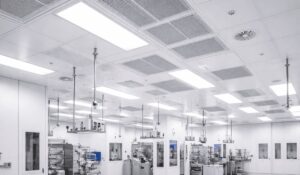

Building a cleanroom for microelectronics work is a different challenge than most people expect. A single misplaced vent, wrong material choice, or overlooked airflow calculation can cost a facility months of rework and a serious hit to production quality. Understanding the most common mistakes in microelectronics cleanroom construction, and how to avoid them, can save companies a huge amount of time, money, and stress down the road.
Underestimating Particle Sensitivity
Microelectronics manufacturing works with components so small that even a tiny speck of dust can ruin a chip or wafer. Many teams underestimate just how strict the particle control needs to be compared to other industries. What might be acceptable in a pharmaceutical or medical device cleanroom can still be far too loose for semiconductor or chip production.
Getting the ISO classification right from the start, often as strict as Class 1 or Class 10 for the most sensitive processes, prevents costly redesigns later. Skipping this step or assuming a general classification will work is one of the most common and expensive mistakes companies make.
Choosing the Wrong Materials
Not every wall panel, flooring option, or ceiling material is suited for microelectronics work. Some materials off gas chemicals over time, while others generate static electricity that can damage sensitive electronic components. Choosing materials based on cost alone, without considering how they behave in this specific environment, often leads to problems that surface months after construction is finished.
Static control is especially important here. Flooring and furniture need to be selected with electrostatic discharge protection in mind, something that is easy to overlook if the construction team does not have direct experience in this industry.
Poor Airflow and Filtration Planning
Air movement inside a cleanroom is not something you can figure out after the walls go up. Airflow patterns need to be mapped out during the design phase, taking into account where equipment will sit, how workers will move through the space, and where the most sensitive processes will happen.
A common mistake is treating filtration as a simple checklist item rather than an engineering problem. HEPA and ULPA filters need to be placed and sized correctly based on the specific room layout, not just installed based on general guidelines that may not fit the actual space.
Ignoring Vibration and Equipment Placement
Microelectronics production often involves incredibly precise equipment that can be affected by even small amounts of vibration. Placing this equipment too close to HVAC systems, doors, or high traffic areas can introduce vibration that affects yield and product quality over time.
Planning equipment placement early, with input from both the construction team and the equipment manufacturers, helps avoid this problem before it becomes an expensive fix.
Underestimating Space for Gowning and Airlocks
Gowning areas and airlocks are often treated as an afterthought during planning, but they play a huge role in keeping contamination out of the main cleanroom space. Cramped gowning rooms lead to rushed protocols, which increases the risk of particles entering the clean space.
Airlocks need enough room for proper pressure equalization as well. Skimping on this space to save square footage often causes more problems than it solves.
Skipping Proper Testing and Validation
Some projects rush through testing and validation just to meet a deadline, only to discover problems once the room is already in use. Skipping proper airflow testing, particle counts, and pressure differential checks before handing the space over is a mistake that almost always leads to bigger issues later.
Every cleanroom needs to be validated against its intended classification before production begins. This step should never be treated as optional, no matter how tight the project timeline is.
Working With a Team That Lacks Industry Experience
Perhaps the biggest mistake of all is hiring a construction team without real experience in microelectronics cleanroom construction. General contractors may understand basic building codes, but they often miss the specific requirements tied to particle control, static discharge, and vibration sensitivity that this industry demands.
A few warning signs to watch for include:
- Vague answers about ISO classification requirements
- No clear plan for static control or vibration management
- Limited or no references from similar microelectronics projects
- Rushing through design without addressing airflow and gowning needs
- Treating testing and validation as a final afterthought
Avoiding a partner with these gaps early on saves significant time and money later in the project.
Getting It Right From the Start
Avoiding these common mistakes comes down to planning early, choosing the right materials, and working with a team that actually understands the demands of this industry. Rushing through microelectronics cleanroom construction to save time upfront almost always leads to bigger costs and delays later on.
UltraPure Technology has years of experience helping facilities navigate the challenges of microelectronics cleanroom construction, from material selection to airflow design, ensuring every project meets strict standards without unnecessary setbacks along the way.