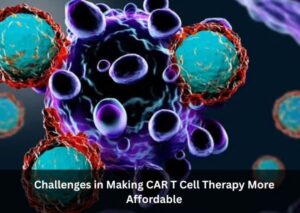

CAR T cell therapy has emerged as one of the most promising advancements in cancer treatment, especially for blood cancers such as leukemia and lymphoma. By engineering a patient’s own immune cells to recognize and destroy cancer cells, CAR T therapy delivers targeted and powerful results. However, while its effectiveness is undeniable, affordability remains a major challenge. For many patients, the cost becomes a barrier that limits access to this life-saving treatment. Understanding the reasons behind these high costs is essential to finding solutions that can make CAR T therapy more accessible to all.
High Manufacturing and Processing Costs
One of the most significant cost drivers of CAR T therapy is the highly complex and customized manufacturing process. Unlike standard medications that can be mass-produced, CAR T therapy is designed uniquely for each patient. The process involves:
-
Collecting the patient’s T cells
-
Genetically modifying them in a specialized laboratory
-
Expanding and activating the engineered cells
-
Ensuring safety and quality through rigorous testing
This process requires advanced biotechnology facilities, stringent quality control, and skilled scientists, all of which add to the expense. Additionally, because CAR T cells are living therapies, they must be handled with extreme care and stored under very controlled conditions.
Moreover, the process cannot be rushed. Manufacturing often takes weeks, and any delay or contamination can disrupt the entire batch, forcing the procedure to start again. The high cost of specialized equipment, materials, and expertise makes the therapy difficult to scale and less affordable for the average patient.
Limited Infrastructure and Regulatory Hurdles
Another challenge is the limited availability of treatment centers equipped to provide CAR T therapy. Only select hospitals and cancer institutes have the necessary facilities, trained staff, and infrastructure to deliver the treatment safely. This limited accessibility increases costs due to:
-
Specialized hospital admissions
-
Need for advanced ICU support
-
Continuous monitoring for severe side effects
-
Highly trained oncologists, immunologists, and nursing teams
Regulatory requirements further add to the overall expense. Governments and health agencies enforce strict guidelines to ensure safety and minimize risks, but compliance costs are substantial. These regulations, while essential, make it difficult for smaller institutions to offer CAR T therapy.
Additionally, insurance coverage varies widely. Many insurers are hesitant to cover such a high-cost treatment, and even when they do, reimbursement delays and complex paperwork burden both patients and providers.
Managing Severe Side Effects and Post-Treatment Care
CAR T therapy is powerful, but it can also cause serious side effects such as cytokine release syndrome (CRS) and neurotoxicity. Treating these complications requires specialized medications, prolonged hospitalization, and expert management. These additional healthcare needs substantially increase the overall cost of therapy.
Post-treatment monitoring is another major expense. Even after the initial procedure, patients require:
-
Regular follow-up visits
-
Blood tests and imaging
-
Ongoing immune system assessments
-
Management of delayed side effects
These long-term care requirements significantly increase the total cost of treatment. Many patients may need additional medications or support therapies, adding financial strain on families.
Until side effects can be managed more efficiently—and more predictably—the associated care costs will remain high.
Conclusion
CAR T cell therapy represents a major breakthrough in cancer treatment, offering hope to patients who may have exhausted other options. However, the high cost of manufacturing, limited accessibility, regulatory complexities, and extensive follow-up care continue to make it difficult for many patients to afford.
Future advancements in biotechnology, improved manufacturing methods, and supportive health policies may eventually make CAR T therapy more affordable. But until then, access will remain limited to those who can bear the financial burden.
Dr AV Cancer Institute provides the best treatment regarding this, offering cutting-edge immunotherapy solutions, expert clinical care, and advanced facilities to support patients throughout their cancer treatment journey.