
Mumbai is where CAR-T cell therapy in India began. The country’s first indigenous CAR-T therapy was designed, manufactured, and first administered in this city, and it changed what treatment looks like for patients whose lymphoma has returned or stopped responding to chemotherapy.
For families searching for CAR-T therapy for lymphoma in Mumbai, this guide explains what the treatment is, the local story behind it, who it is for, what it costs in India, and how SunAct supports patients through the process.
What Is CAR-T Cell Therapy?
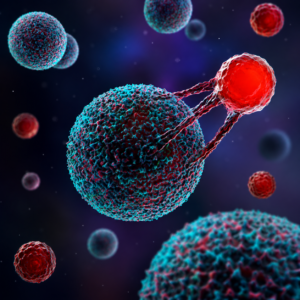
CAR-T stands for Chimeric Antigen Receptor T-cell therapy. It is an immunotherapy that reprograms a patient’s own immune cells to recognise and destroy cancer.
T-cells are collected from the patient’s blood. In a specialised laboratory they are genetically modified to carry a receptor that targets a marker on cancer cells. For B-cell lymphomas that marker is CD19. The engineered cells are multiplied and infused back as a single dose, where they hunt down cancer cells and keep working for months.
Unlike chemotherapy, given in repeated cycles, CAR-T is a one-time infusion of living, self-multiplying cells. This is why it is often called a living drug.
Why Mumbai Is at the Centre of CAR-T in India
India’s first CAR-T cell therapy, NexCAR19 (generic name actalycabtagene autoleucel), was approved by the Central Drugs Standard Control Organisation in October 2023. It is a CD19-targeted therapy for B-cell leukaemia and lymphoma, and it is a Mumbai product from start to finish.
The therapy was built over roughly a decade through a collaboration between IIT Bombay and Tata Memorial Centre. The cells were designed by a team led by Dr Rahul Purwar at IIT Bombay and manufactured by ImmunoACT, an IIT Bombay-incubated company. The pivotal clinical trials were led by clinicians at Tata Memorial Hospital, Mumbai. The very first CAR-T cell infusion in India was carried out on 4 June 2021 at ACTREC, Tata Memorial Centre in Mumbai, using cells manufactured at IIT Bombay. ImmunoACT is now building a dedicated CAR-T manufacturing facility in Mumbai to expand access across the country.
One design detail sets this therapy apart. Most globally approved CAR-T products use mouse-derived antibody fragments. NexCAR19 uses a humanised design, which is associated with fewer severe side effects, and its trial data reflect that advantage.
Which Lymphomas Can CAR-T Treat?
CAR-T is not a first-line treatment. It is used for relapsed or refractory disease, meaning lymphoma that has returned after treatment or did not respond to it, usually after two or more prior lines of therapy.
CAR-T therapy is approved for B-cell cancers, including:
- Relapsed or refractory large B-cell lymphoma, including diffuse large B-cell lymphoma (DLBCL)
- Primary mediastinal B-cell lymphoma
- Follicular lymphoma that has transformed to DLBCL
- B-cell acute lymphoblastic leukaemia
Eligibility depends on the cancer type, prior treatment history, current disease status, and organ function. At SunAct, a specialist reviews each case individually before confirming whether a patient is a candidate.
How Effective Is CAR-T for Lymphoma?
The trial that supported India’s approval enrolled 60 to 64 patients with relapsed or refractory B-cell lymphomas and leukaemia, all of whom had already run out of conventional options.
The data showed an overall response rate of around 70 percent, with roughly half of patients achieving complete remission. Severe cytokine release syndrome occurred in only about 5 percent of patients, and no neurotoxicity was reported. These outcomes are broadly comparable to internationally approved CAR-T products, with a safety profile well suited to Indian treatment settings.
Outcomes vary by individual and no result is guaranteed. What CAR-T offers is a meaningful, sometimes durable response for patients who previously had none.
Cost of CAR-T Therapy for Lymphoma in India
Cost is the main reason CAR-T was out of reach for Indian patients until recently.
Abroad, the drug alone can cost around 400,000 US dollars, and total treatment can exceed 500,000 dollars, or roughly three to four crore rupees. In India, indigenous CAR-T therapy is priced at approximately 30 to 40 lakh rupees. With pre-treatment workup, hospitalisation, and post-infusion care included, total costs typically fall in the range of 40 to 60 lakh rupees depending on the patient’s condition and the treating centre.
SunAct is committed to keeping advanced cancer therapies affordable and accessible in India. Our team provides a clear cost breakdown and discusses available financial support during evaluation, so families can plan with certainty. Pricing changes over time, so confirm current figures with our team.
The CAR-T Treatment Journey at SunAct
CAR-T requires specialised infrastructure and close monitoring. SunAct’s facility offers a sterile, controlled environment with dedicated isolation rooms built for cellular therapies, transplants, and immunotherapy. The journey typically follows these steps:
- Evaluation. A specialist reviews your records, disease status, and organ function to confirm eligibility.
- Cell collection. T-cells are collected from your blood through leukapheresis.
- Manufacturing. The cells are genetically modified and multiplied over a few weeks.
- Bridging and conditioning. Interim therapy may control the disease, followed by a short course of chemotherapy to prepare the body.
- Infusion. The engineered cells are infused back as a single dose.
- Monitoring. The first two weeks after infusion matter most. Patients are watched closely for side effects such as cytokine release syndrome, in an equipped unit with an experienced team.
Side Effects and Safety
The main risks with CAR-T are cytokine release syndrome, an immune reaction that can cause fever and related symptoms, and, with some products, neurological effects. India’s indigenous therapy has shown a favourable safety profile on both counts, with a low rate of severe cytokine release syndrome and no reported neurotoxicity in trials. These reactions are manageable in a properly equipped centre, which is why CAR-T is delivered only in specialised units with round-the-clock monitoring.
Why Choose SunAct for CAR-T Therapy
SunAct is dedicated to bringing breakthrough cancer treatments within reach of patients across India. Patients choose SunAct for:
- A comprehensive advanced therapy programme spanning CAR-T cell therapy, bone marrow and stem cell transplantation, immunotherapy, targeted therapy, and chemotherapy
- A dedicated facility with sterile isolation rooms designed for cellular therapy and transplants
- A team of experienced oncologists who build a personalised plan for each patient
- A clear focus on affordability and access, with transparent cost guidance
- Specialised paediatric haematology-oncology and transplant care for younger patients
Talk to SunAct About CAR-T Therapy
If you or a family member has relapsed or refractory lymphoma and want to know whether CAR-T cell therapy is an option, the first step is an eligibility assessment. Contact SunAct’s oncology team to review your case and understand the treatment, timeline, and cost for your situation.
Visit sunactcancer.com or explore our full range of advanced cancer therapies to learn more.
Frequently Asked Questions
Is CAR-T therapy for lymphoma available in Mumbai? Yes. Mumbai is where India’s CAR-T cell therapy was developed and first administered. SunAct offers CAR-T cell therapy as part of its advanced therapy programme in India.
How much does CAR-T therapy cost in India? Indigenous CAR-T therapy is priced at around 30 to 40 lakh rupees, with total treatment costs typically 40 to 60 lakh rupees, compared with three to four crore rupees for equivalent therapy abroad. Confirm current pricing with SunAct.
Who is eligible for CAR-T therapy? It is generally for patients with relapsed or refractory B-cell lymphoma or leukaemia who have already tried other treatments. A specialist confirms candidacy based on cancer type and overall health.
Is CAR-T a cure for lymphoma? CAR-T can produce complete remission and long-lasting responses in patients who had no other options, but outcomes vary by individual and are not guaranteed.
How long does CAR-T treatment take? From cell collection to infusion takes a few weeks, mostly for manufacturing, followed by a few weeks of close monitoring after the infusion.
This article is for general information and awareness. It is not medical advice. Decisions about CAR-T cell therapy should be made in consultation with a qualified oncologist who can assess your specific condition.