
Utah’s national parks are often treated as stops on a road trip itinerary, but the distance between the major landscapes can make the choice of lodging just as important as the trails themselves. A traveler may begin the morning among Zion’s towering canyon walls, spend another day beneath Bryce Canyon’s hoodoos, and continue toward the red-rock landscapes of Capitol Reef, Arches, or Canyonlands. The scenery changes dramatically, but so does the amount of driving involved.
That makes lodging in Utah National Parks more than a question of finding a bed for the night. It is about choosing a location that gives a traveler enough time to experience the landscape rather than simply passing through it.
What Makes Utah National Park Lodging Different?
Utah’s five national parks are spread across a large portion of the state. Zion National Park sits in the southwest, while Bryce Canyon is farther north and east. Capitol Reef, Arches, and Canyonlands continue across central and southeastern Utah. Trying to use one accommodation as a base for every park can therefore turn an adventurous vacation into a schedule dominated by driving.
The National Park Service notes that Zion has only one lodging property within the park itself, while communities outside the boundaries provide additional lodging options. Bryce Canyon also has lodging inside the park, while nearby communities provide additional choices for visitors.
For travelers planning a multi-park itinerary, gateway communities can therefore become an important part of the experience.
Rather than asking only, “Which hotel is closest?” a more useful question is, “Which location fits the way the trip is actually going to unfold?”
The Five National Parks Call for Different Travel Strategies
A Utah national park road trip becomes easier to organize when each park is considered according to its landscape, location, and the amount of time travelers want to spend there.
Zion National Park
Zion is particularly suited to travelers who want to spend several days exploring rather than treating the park as a quick stop. The canyon environment creates a very different experience depending on the time of day, and visitors can combine hiking, scenic drives, photography, stargazing, and nearby outdoor activities.
The National Park Service confirms that Zion Lodge is the only lodging inside the park, while accommodations in surrounding communities offer another way to organize a visit.
For travelers approaching Zion from the south, staying outside the park can also create an opportunity to explore parts of Southern Utah that might otherwise be overlooked.
Bryce Canyon National Park
Bryce Canyon has a completely different visual character. Its amphitheaters and hoodoos make sunrise, sunset, and nighttime viewing particularly memorable. The Lodge at Bryce Canyon is located close to Bryce Amphitheater, while nearby communities provide additional places to stay.
Because the experience changes with light and weather, staying nearby can give travelers more flexibility than visiting only during the middle of the day.
Capitol Reef National Park
Capitol Reef often appeals to travelers who prefer geological formations, scenic drives, orchards, historic sites, and quieter stretches of Southern Utah. Its location also makes it useful when planning a route between Bryce Canyon and the eastern Utah parks.
A stay around this region can break up a long road trip while allowing travelers to experience more than the most photographed destinations.
Arches National Park
Arches is known for its concentration of natural arches and dramatic sandstone formations. Because the park is close to Moab, many travelers use the town as their base while combining Arches with other southeastern Utah attractions.
The advantage of this approach is flexibility. Travelers can build early starts and late-evening outings around the conditions they encounter instead of trying to fit everything into one rushed visit.
Canyonlands National Park
Canyonlands is vast, and its different districts do not offer the same experience. That makes location planning particularly important. Travelers interested in overlooks, remote landscapes, photography, hiking, or dark skies may find that allowing more time in the region produces a substantially different experience from a quick scenic stop.
Why a Gateway Lodge Can Be Part of the Experience
There is a tendency to think that the best lodging is always the accommodation located closest to a national park entrance. That is not necessarily the case.
A gateway lodge can offer a different rhythm. Instead of returning from a busy park and immediately finding another crowded commercial area, travelers may choose a smaller community where the surrounding landscape remains part of the evening.
This is one of the qualities that distinguishes Zion Cliff Lodge in Hildale, Utah.
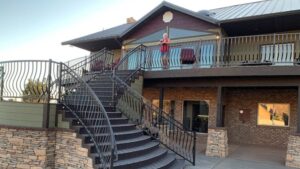
Located just south of Zion National Park, Zion Cliff Lodge describes itself as a small boutique lodge positioned near the base of the Zion Cliffs. The property is approximately 20 miles from the front entrance using a scenic back road with a suitable SUV or 4×4, while the main highway route is approximately 47 miles.
That setting gives the lodge a natural connection to the broader Southern Utah landscape rather than making it simply a place to sleep between park visits.
A Different Kind of Stay in Southern Utah
Zion Cliff Lodge has ten suites, with accommodations ranging from rooms with two queen beds to suites featuring private decks, kitchenettes, spa baths, and scenic views. The property also features personalized décor, high-end beds and linens, and outdoor spaces oriented toward the surrounding cliffs and mountains.
For travelers who spend most of their day outdoors, these details matter.
A long day among sandstone cliffs can make a comfortable bed, a private outdoor space, or a quieter setting feel considerably more valuable than another generic room near a major highway.
The lodge’s location also places travelers close to attractions beyond Zion National Park. Its own information highlights Water Canyon, Coral Pink Sand Dunes, dinosaur tracks, petroglyphs, 4X4 trails, horseback riding, and canyoneering opportunities in the surrounding area.
That creates another useful approach to a Utah itinerary. Instead of viewing Zion as the only reason to stay in the area, travelers can treat Southern Utah as a destination in its own right.
How Travelers Can Choose Lodging for a Multi-Park Trip
A thoughtful Utah itinerary usually benefits from dividing the trip into geographic sections rather than changing hotels every night.
A practical approach can look like this.
- Southern Utah base for Zion and nearby attractions
- Bryce Canyon area for hoodoo country and high-elevation scenery
- Central Utah stop for Capitol Reef and the surrounding landscapes
- Moab base for Arches and Canyonlands
This arrangement does not eliminate driving, but it can make each section of the journey more purposeful.
Travelers should also consider how early they plan to begin their park days. A lodging location that works well for a relaxed afternoon itinerary may not be ideal for someone planning sunrise photography or an early trail start.
The Best Lodging Choice Depends on the Experience
There is no single formula for choosing lodging across Utah’s national parks.
Some travelers want to wake up inside a national park. Others prefer a boutique property in a gateway community. Some prioritize proximity to a trailhead, while others care more about having a peaceful room, scenic views, or access to several outdoor attractions.
The important consideration is whether the accommodation supports the type of trip being planned.
For a Southern Utah itinerary centered on Zion, Zion Cliff Lodge offers an alternative to conventional park-area lodging. Its Hildale setting, boutique character, suite-style accommodations, and proximity to Zion and other regional attractions make it suitable for travelers who want the lodging experience to feel connected to the landscape itself.
Make the Stay Part of the Utah Adventure
Utah’s national parks are not destinations that need to be rushed through simply to collect names on a road-trip map. The changing light across sandstone, the quiet of desert evenings, the contrast between canyon walls and open plateaus, and the unexpected attractions between major parks are all part of the journey.
Choosing lodging with that larger experience in mind can transform the structure of the trip. Instead of measuring a vacation only by how many parks were visited, travelers can leave room for the landscapes between them.
For those planning a Zion-centered Southern Utah adventure, Zion Cliff Lodge offers a boutique place to stay in Hildale, close to Zion and surrounded by opportunities to explore beyond the national park itself. Travelers can explore the available suites and plan their stay around their preferred Southern Utah itinerary.
For those preparing their trip well in advance, exploring Zion National Park Hotel Reservations can also help create a more organized lodging plan before arriving.