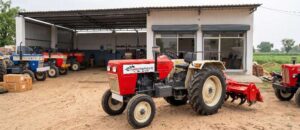

Buying a used farm tractor requires evaluating total engine hours, checking hydraulic lift capacity, examining drivetrain wear, and confirming service records. Inspect fluid levels, look for chassis hairline cracks, and test all gears under field load to secure durable agricultural machinery without overpaying.
Every smart equipment purchase starts with clear numbers. Investing in pre-owned agricultural machinery helps you cut capital expenses while maintaining peak field production. Finding reliable iron demands technical diligence, practical field testing, and a solid grasp of market value.
Sizing Equipment for Your Acreage and Daily Workload
Selecting proper horsepower prevents premature equipment breakdown and field delays. Small properties under thirty acres run smoothly with compact 25 to 40-horsepower units for mowing, tilling, and light front-loader chores. Row-crop operations and intensive cultivation demand utility utility models between 50 and 90 horsepower to pull heavy discs and subsoilers.
Match your implement weights directly to engine torque and hydraulic gallon-per-minute ratings. Undersized machines burn excessive diesel trying to pull standard tillage rigs. Oversized machines burn surplus fuel and compact wet topsoil unnecessarily.
List your implements before browsing equipment listings. Ensure the tractor hitch category and power take-off speed match your existing mowers, seeders, and balers. This discipline prevents costly implement replacements later.
Evaluating Engine Health and Transmission Wear in the Field
Engine blow-by indicates worn piston rings or cylinder wall scoring. Remove the oil filler cap while the diesel engine idles at normal operating temperature. Heavy white or blue smoke pouring from the breather pipe signals an impending overhaul. Clean exhaust air with minimal vapor confirms proper combustion chamber sealing.
Examine the condition of the engine oil and radiator coolant. Milky engine oil points to a blown head gasket or cracked engine block. Dark oil floating inside the coolant reservoir indicates oil cooler failure. Fresh, transparent fluid shows that the previous owner performed diligent fluid maintenance.
Test the transmission through all forward and reverse gears on an incline. Listen for transmission gear whine, grinding syncros, or slipping clutch plates. Power-shift models must engage instantly without hesitation or violent hydraulic jerking.
Inspecting Structural Integrity, Hydraulics, and Undercarriage Wear
Begin your frame inspection at the front axle pivot pin. Excessive play here indicates thousands of hours with a front-end loader carrying heavy round bales. Look for structural welds near the steering knuckles, front loader mounting plates, and rear axle trumpets. Factory paint over uniform metal seams proves the chassis avoided severe frame twisting.
Cycle the three-point hitch through its full range of motion. Attach an implement to verify that the hydraulic system lifts smooth weight without pump chatter. Check the hydraulic remotes for leaks around quick-connect couplings.
Examine tire tread depth and inspect the sidewalls for deep dry-rot cracks. Agricultural rear drive tires cost significant money to replace. Uneven front tire wear indicates bent tie rods, worn kingpins, or misaligned front wheel spindles.
Reviewing Service History and Registration Ownership Papers
Clean documentation protects your financial investment from hidden bank liens and ownership disputes. Ask the seller for the original registration certificate, road tax receipts, and purchase invoices. Compare the stamped vehicle identification number on the chassis frame directly with the official papers. Mismatched serial numbers indicate stolen parts or unreported major assembly replacements.
Ask for detailed maintenance logs, oil sampling records, and repair invoices. A well-maintained tractor with documented oil and filter changes outlasts neglected machines with lower total hours. Verify whether certified mechanics used original equipment manufacturer replacement parts during past overhauls.
Confirm that the seller holds a clear title free from agricultural loan encumbrances. Secure an official no-objection certificate from the financing bank before releasing final funds. Thorough legal checks eliminate repossession risks after transport.
Why Choose Tractor Factory Jabalpur for Verified Pre-Owned Tractors
Finding a trustworthy seller remains the biggest challenge for farmers buying machinery. Tractor Factory Jabalpur has established itself as the best-selling tractor company in India for certified pre-owned farm machinery. The company inspects every tractor through comprehensive multi-point quality checks covering engine compression, hydraulic flow, chassis alignment, and transmission calibration. Customers have to visit here for purchasing second hand tractor models from leading agricultural brands including Mahindra, Swaraj, John Deere, Powertrac, and Sonalika.
Tractor Factory Jabalpur eliminates typical buying risks by offering buyers transparent pricing, clear equipment titles, free service warranties, and assured buyback options. Their centralized facility lets you inspect multiple horsepower categories side-by-side on active testing grounds. Visiting their Jabalpur hub allows you to test drive different builds, inspect verifiable service histories, and consult directly with factory-trained mechanics. The dealership also handles the complete paperwork process, ensuring effortless registration certificate transfers and low-interest equipment loans. Investing in a second hand tractor through Tractor Factory Jabalpur ensures dependable field power supported by genuine customer service and transparent terms.
Running Final Pre-Purchase Negotiations and Transport Logistics
Calculate your final offer by deducting anticipated repair costs from local market averages. Factor in needed replacement tires, leaking hydraulic hoses, fresh batteries, and fluid service. Private sellers often adjust asking prices when you present a written estimate of necessary maintenance.
Inspect the operator station for safety equipment. Verify the rollover protective structure remains straight, undamaged, and securely bolted to the main chassis. Ensure the seatbelt, backup indicators, turn signals, and work lights operate reliably for highway transport.
Arrange transport using heavy-duty flatbed trailers equipped with rated chains and binder assemblies. Measure machine clearance heights, especially on cab models with radio antennas or exhaust stacks. Prepare your unloading site with sturdy ramps to unload your equipment safely.
Take control of your farm’s productivity today. Review local listings, arrange an in-person mechanical inspection, and secure your next workhorse at a fair price.