
Upgrading a heating system is no longer just about comfort—it’s increasingly tied to rising energy costs and environmental concerns. Many homeowners now find themselves asking whether replacing an old boiler can genuinely make a difference to both their bills and their carbon footprint.
The answer is not as simple as yes or no. While modern systems and government-backed schemes can help, the real impact depends on how your home uses energy, how efficient your current setup is, and what you upgrade to. This article breaks down how boiler upgrades can influence both your finances and your environmental impact, without oversimplifying the process.
Why Older Boilers Cost More Than You Think
At first glance, an older boiler may seem to be doing its job just fine. It heats your home, produces hot water, and hasn’t broken down recently. However, inefficiency often hides beneath that surface reliability.
Older systems—especially those over 10–15 years old—tend to lose a significant portion of the energy they consume. Instead of converting fuel into usable heat efficiently, they waste part of it through exhaust gases or poor heat exchange.
That inefficiency leads to two direct outcomes:
- Higher fuel consumption
- Increased carbon emissions
Even a small drop in efficiency can noticeably raise your annual heating costs, especially during colder months.
How Modern Boilers and Systems Improve Efficiency
Newer heating systems, particularly condensing boilers and heat pumps, are designed to extract more usable heat from the same amount of energy. They operate differently, often reusing heat that older systems would simply release into the air.
For example, condensing boilers capture heat from exhaust gases and reuse it. Heat pumps go a step further by transferring heat rather than generating it through combustion.
The result is a more controlled and efficient process. Over time, this can reduce both energy consumption and the amount of fuel needed to maintain a comfortable temperature.
Where the Real Savings Come From
Many people expect immediate and dramatic savings after upgrading, but the reality tends to be more gradual.
Savings usually come from three areas:
1. Lower Energy Use
A more efficient system needs less fuel to produce the same level of heat. That directly lowers your energy bills.
2. Reduced Heat Loss
When paired with proper insulation and controls, a new system prevents unnecessary heat loss, which compounds the savings.
3. Smarter Heating Control
Modern systems often include programmable thermostats or zoning features. These allow you to heat only the areas you use, instead of the entire home.
However, it’s worth noting that savings vary widely. A poorly insulated home may not see the full benefit of a new system until other improvements are made.
How Boiler Upgrades Affect Carbon Emissions
Heating accounts for a large share of household carbon emissions, especially in homes that rely on gas or oil.
Upgrading your system can reduce emissions in two ways:
- Improved efficiency: Using less fuel naturally lowers emissions
- Switching technologies: Moving to low-carbon systems like heat pumps reduces reliance on fossil fuels
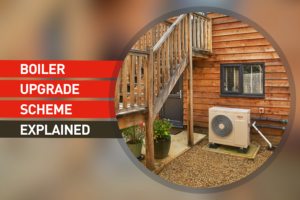
This is where schemes like the Boiler Upgrade Scheme come into play. They aim to make low-carbon technologies more accessible by reducing upfront costs.
Still, the environmental impact depends on your energy source. For example, a heat pump powered by renewable electricity has a far smaller footprint than a gas boiler, even an efficient one.
Common Misunderstandings About Boiler Upgrades
People often assume that simply installing a new system guarantees lower bills and emissions. In reality, a few factors can limit the benefits:
Poor Insulation
If heat escapes easily, even the most efficient system will work harder than necessary.
Incorrect System Size
An oversized or undersized boiler can lead to inefficiency and uneven heating.
Old Radiators or Pipework
Outdated components can restrict performance and reduce overall system efficiency.
Unrealistic Expectations
Some homeowners expect instant savings, but improvements often show gradually over time.
Understanding these limitations helps you make more informed decisions and avoid disappointment.
Do Government Schemes Really Help?
Government-backed initiatives are designed to encourage energy efficiency and reduce emissions at a national level. They often provide financial support for upgrading to more efficient or low-carbon systems.
While these schemes can lower upfront costs, they don’t eliminate all expenses. Installation, home modifications, and maintenance still require consideration.
More importantly, eligibility criteria and property suitability can influence whether a scheme is practical for you. It’s not just about qualifying—it’s about whether your home can fully benefit from the upgrade.
Practical Steps Before You Upgrade
Before committing to a new system, it helps to take a few practical steps:
Assess Your Current System
Understand how efficient your existing boiler is and whether it’s nearing the end of its lifespan.
Improve Insulation First
Simple improvements like loft insulation or sealing drafts can make a noticeable difference.
Get a Professional Assessment
A qualified installer can evaluate your home and recommend a system that matches your needs.
Compare Long-Term Costs
Look beyond installation costs and consider running expenses, maintenance, and lifespan.
Taking these steps often leads to better outcomes than rushing into a replacement.
When a Boiler Upgrade Makes the Most Sense
A replacement is usually worth considering if:
- Your boiler is over 10–15 years old
- Repairs are becoming frequent or costly
- Your energy bills are steadily rising
- You’re planning other home improvements
In these situations, upgrading can align both financial and environmental goals more effectively.
Conclusion
Upgrading your heating system can reduce energy bills and lower your carbon footprint, but it’s not a one-size-fits-all solution, especially when considering factors like whether oil-filled radiators are cheap to run. The real benefits depend on your home’s condition, your current system, and how you use energy day to day.
Government support, including options like the Boiler Upgrade Scheme, can make the transition more affordable. Still, the decision should be based on a clear understanding of costs, limitations, and long-term value.
If approached thoughtfully, a boiler upgrade can be a meaningful step toward a more efficient and environmentally responsible home.