
Crooked teeth, crowded bites, or a jaw that doesn’t quite align – these are concerns that affect far more people than you might expect. For many, the decision to get braces comes after years of hesitation. Will it hurt? How long will it take? Is it really worth it at my age? These are fair questions, and the answers are more reassuring than most people anticipate. Braces have come a long way from the clunky metal brackets of the past. Today, orthodontic treatment addresses both the cosmetic and functional dimensions of your oral health – giving you reasons to smile that go well beyond appearances.
What Do Braces Actually Fix?
Braces work by applying gentle, consistent pressure to shift your teeth into better positions over time. But the scope of what they correct is broader than most people realise.
Crowding and Spacing Issues
When teeth are too close together or too far apart, cleaning becomes genuinely difficult. Food traps form easily in tight spaces, and gaps can invite gum problems over time. Braces resolve crowding and spacing so that your teeth are easier to maintain – and look more even in the process.
Bite Correction
An overbite, underbite, crossbite, or open bite can cause uneven wear on your teeth, jaw discomfort, and even headaches over the long term. Orthodontic treatment realigns how your upper and lower teeth meet, reducing stress on the jaw joint and protecting your enamel from premature wear.
Jaw Alignment
Some people experience clicking or popping in the jaw, difficulty chewing, or chronic facial tension. These can be linked to skeletal misalignment that braces – sometimes alongside other appliances – are able to address. Early intervention, particularly in children and teenagers, tends to give the best outcomes here.
Health Benefits That Go Beyond Straightening
A straighter smile is visible, but the health gains from braces run deeper than aesthetics.
Properly aligned teeth are significantly easier to brush and floss effectively. This reduces the risk of plaque buildup, cavities, and gum disease – all of which have downstream consequences for overall health. Research has drawn connections between poor oral hygiene and conditions like cardiovascular disease and diabetes, which means your dental health is not an isolated matter.
Bite issues that go uncorrected can also place unnecessary strain on specific teeth, accelerating wear or even causing fractures over the years. Straightening your bite distributes chewing forces more evenly, giving each tooth a fair share of the work.
The Confidence Factor
It would be dishonest to ignore the psychological dimension of orthodontic treatment. For a great many people, the way their teeth look directly affects how comfortable they feel speaking, laughing, or smiling in public. Several studies have noted improvements in self-esteem and social confidence following orthodontic treatment – particularly in adolescents, though adults report similar gains.
This is not vanity. Feeling at ease in everyday interactions has real implications for professional life, relationships, and mental wellbeing. A treatment that delivers both health and confidence benefits deserves to be taken seriously.
Why Consider Orthodontic Treatment in India?
India has developed a strong reputation for delivering quality dental care at costs that are considerably lower than those in Western countries. The gap is not a reflection of lesser skill – it reflects differences in overhead, currency, and the overall cost of living. Many orthodontists practising in India hold qualifications from reputed institutions and follow internationally recognised treatment protocols.
For those already living in India, this means access to care that would otherwise be financially out of reach in countries like the UK, the US, or Australia. For those travelling specifically for dental treatment, India represents a practical choice.
Orthodontic treatment in India spans a range of options – from traditional metal braces to ceramic and clear aligner systems – allowing patients to choose based on lifestyle, budget, and clinical need.
Treatment Options Available
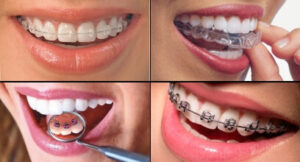
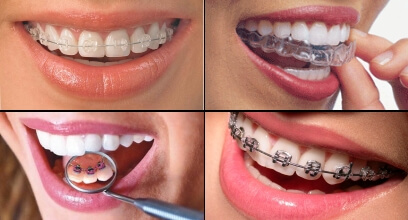
Metal braces remain the most affordable and are highly effective for complex cases. Ceramic braces offer a more discreet appearance. Clear aligners, such as those available through several Indian dental networks, suit adults who prefer a removable, less visible option. Each has its trade-offs in terms of cost, maintenance, and suitability – which your orthodontist will help you weigh.
Duration and What to Expect
Treatment typically runs between 12 and 24 months, depending on the complexity of the case. Regular appointments – usually every four to six weeks – allow the orthodontist to monitor progress and make adjustments. Mild discomfort after tightening is normal and usually settles within a day or two. Retainers following active treatment are standard and important for maintaining results long-term.
What to Weigh Before You Decide
Orthodontic treatment is a commitment – of time, money, and daily attention. Before going ahead, it helps to have an honest conversation with a qualified orthodontist rather than basing your decision solely on cost comparisons or online research.
Consider the age factor. Treatment tends to move faster in younger patients because the jaw is still developing, but there is no upper age limit for braces. Adults in their thirties, forties, and beyond successfully complete treatment every day. The key is that your teeth and gums are in reasonable health before you begin – active gum disease or significant decay needs to be addressed first.
Also consider the full cost picture. The initial fee is only part of it. Factor in retainers, follow-up visits, and any preparatory dental work. Clinics that offer a clear, itemised treatment plan upfront make this easier to plan for. If you are looking for
best braces treatment in India, take the time to visit a clinic, ask questions, and review before-and-after cases from their patient records.
Conclusion
Braces are not just a cosmetic upgrade – they are a meaningful investment in your oral health, your bite function, and your day-to-day comfort. The benefits accumulate over years and decades after treatment ends, making the commitment worthwhile for most candidates. India offers a genuinely strong environment for this kind of care, with skilled professionals and accessible pricing across major cities. If you have been sitting on the fence, an honest consultation with a qualified orthodontist is the most productive next step you can take. Choosing a trusted provider matters – working with the
best dental chain in india ensures you have consistent care and professional oversight throughout your treatment journey.
Frequently Asked Questions
At what age should a child get braces?
Most orthodontists recommend an initial evaluation around age seven, though active treatment usually begins between ages ten and fourteen. Starting during the growth phase allows the jaw to be guided more easily, but treatment can be carried out successfully at any age.
Do braces hurt?
There is typically some soreness after braces are fitted and after each tightening appointment. This usually lasts one to three days and is manageable with over-the-counter pain relief. Most patients adapt quickly and find the discomfort far more tolerable than they expected.
How long does orthodontic treatment take?
The average treatment duration is between twelve and twenty-four months. Simpler cases – such as mild crowding in an otherwise healthy mouth – may conclude sooner. More complex bite corrections or adult cases tend to take longer. Your orthodontist will give you a realistic timeline during the initial assessment.
Are clear aligners as effective as traditional braces?
Clear aligners work well for mild to moderate alignment issues and are a good fit for adults who prefer a removable, less visible option. For complex cases involving significant bite correction or rotation of teeth, traditional braces often deliver more precise and predictable results. The right choice depends on your specific clinical situation.
Is orthodontic treatment expensive in India compared to other countries?
Treatment costs in India are substantially lower than in the UK, the US, or Australia for comparable quality of care. Prices vary by city, clinic, and treatment type, but even premium options in India fall well within the range that most patients find accessible. It is advisable to get a full treatment estimate in writing before committing.
Source: https://penzu.com/