
Steel beams look invincible, but heat is their silent enemy. High temperatures during a fire cause structural steel to lose its strength and eventually buckle. Passive protection layers act as a thermal shield to prevent this collapse. Cementitious materials serve as a sacrificial barrier that absorbs the thermal energy before it reaches the core of the building. These coatings buy time for evacuation and help keep the primary skeleton of the skyscraper or warehouse intact. Utilizing a high-quality cementitious fireproofing spray ensures that the structural integrity remains sound even when a blaze reaches extreme intensity.
Why Do Steel Structures Need Passive Protection?
Raw steel starts to soften at roughly 425°C. Most structural fires exceed this temperature within minutes. Once the steel reaches 600°C, it loses about half of its load-bearing capacity. Unprotected buildings run the risk of total structural failure during a prolonged fire event. Passive systems do not require water or power to function. They are always active, waiting for a heat event to occur. Applying these coatings to columns, beams, and floor assemblies creates a predictable fire rating. Architects use these ratings to meet safety codes and ensure the building can stand long enough for emergency responders to do their jobs.
The Chemistry Behind The Coating
Portland cement usually forms the base of these mixtures. Manufacturers often add lightweight aggregates like vermiculite or perlite. These minerals expand when heated and have low thermal conductivity. The mixture also contains trapped water molecules within its structure. A chemical reaction occurs when a fire hits the surface. The water evaporates, which consumes a massive amount of heat energy and keeps the underlying steel cool. Scientists call this process endothermic cooling. It is a reliable, low-tech solution to a high-stakes engineering problem.
What Are The Main Types Of Cementitious Coatings?
Builders choose between different densities based on where the building is located and how it will be used. Every project has unique requirements for durability and moisture resistance.
- Low-Density Materials: These are common in concealed areas like plenum spaces above drop ceilings. They are cost-effective and provide excellent thermal insulation.
- Medium-Density Materials: Construction teams use these in areas where the coating might be exposed to the elements or light physical contact. Mechanical rooms often require this level of toughness.
- High-Density Materials: These are designed for industrial sites or parking garages. They resist high humidity, heavy impacts, and even jet-fuel fires.
- Exterior-Grade Mixtures: Some formulas include special binders to prevent the coating from washing away during heavy rain or freezing cycles.
Application Methods On The Job Site
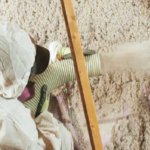
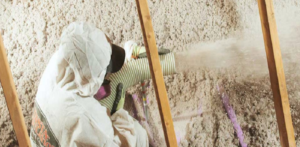
Spray equipment moves the wet mixture through long hoses to the application area. Technicians use a nozzle to apply a consistent thickness across the steel surface. Precision is vital because a layer that is too thin will not meet the fire rating. Specialized gauges measure the wet and dry thickness during the process. The steel must be free of oil, dirt, and loose scale before the work begins. Primers are sometimes necessary to ensure the bond lasts for the entire lifespan of the building.
How Do Inspectors Verify The Quality?
Building officials and third-party inspectors check the work at various stages. They look for proper adhesion to the substrate. Hollow sounds when tapping the material might indicate a “delamination” where the coating has pulled away. Density tests are also standard. A small cube of the material is weighed and measured to ensure it matches the manufacturer’s specifications.
- Thickness Verification: Measuring tools confirm the material meets the R-value or hourly rating.
- Bond Strength Tests: Pull-off tests ensure the material won’t fall off due to building vibrations.
- Visual Inspection: Looking for cracks or gaps in the coverage around complex joints.
- Environmental Monitoring: Checking temperature and humidity during the drying phase.
Comparing Spray To Intumescent Paint
Intumescent coatings are another option for fireproofing. These paints look like regular finishes but swell up when heated. Cement-based sprays are generally much thicker and have a textured, popcorn-like appearance. Sprays are significantly more affordable for large-scale projects. Builders typically use intumescent paint only where the steel is visible to the public. Cementitious options remain the workhorse for the parts of the building that stay hidden behind drywall and ceilings.
Durability In Commercial Environments
Warehouse environments can be rough on walls and ceilings. Forklifts and moving equipment often bump into structural elements. Medium or high-density cementitious coatings can handle this abuse without cracking. These materials also offer some level of resistance to mould and mildew. Because they are inorganic, they do not provide a food source for fungi. This makes them a great choice for damp environments like underground transit stations or sub-basements.
The Financial Side Of Fire Safety
Insurance companies look closely at the fire protection measures in a building. High-quality passive fireproofing can lead to lower insurance premiums over time. It reduces the risk of a “total loss” claim. Retrofitting an existing building is also possible. If a structure undergoes a change in use—like an old factory becoming a loft—the fire requirements might increase. Crews can spray new material over old steel to bring the building up to modern safety standards.
Long-Term Structural Health
Corrosion is a concern for any steel structure. Some cementitious sprays contain rust inhibitors. The alkaline nature of the cement creates an environment that slows down the oxidation of the steel. This adds an extra layer of protection against the “silent rot” of metal. Keeping the steel dry and shielded extends the life of the building by decades.
Conclusion
Protecting a modern skyline requires a blend of chemistry and precise engineering. Fire Proofing Kings manages these complex safety requirements for commercial and industrial projects across the region. The company applies a range of high-performance products, including gypsum-based and Portland-cement-based mixtures. Their technicians focus on the specific hourly ratings required by the Ontario Building Code. Every application of cementitious fireproofing spray follows a strict protocol to ensure maximum adhesion and thermal resistance. Fire Proofing Kings remains a trusted partner for contractors who need reliable, code-compliant structural protection. Securing the skeleton of a building today ensures a safer environment for everyone who steps inside tomorrow.