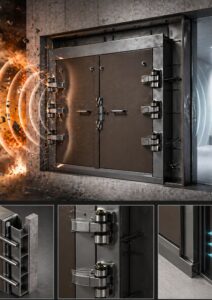

A modern petrochemical plant, military command center, data centre, or power generation facility may contain millions of dollars’ worth of equipment and support hundreds of personnel daily. In these environments, even a single explosion can create devastating consequences. Surprisingly, one of the most common causes of injury during blast incidents is not structural collapse but shattered glass. This raises an important question for facility owners and security planners: are blast-proof windows truly worth the investment?
When evaluating security and safety upgrades, decision-makers often focus on walls, doors, and structural reinforcements. However, windows are frequently the most vulnerable part of a building envelope. A properly engineered blast window is designed to withstand explosion pressures, reduce glass fragmentation, and improve occupant safety.
For facilities operating in high-risk environments, blast-resistant glazing is no longer viewed as a specialty feature. Instead, it is increasingly considered an important element of comprehensive risk management and infrastructure protection.
What is a Blast Window?
A blast window is a specially engineered glazing system designed to resist explosive forces. Unlike conventional windows, which are primarily intended for weather protection and insulation, blast-resistant systems are built to absorb energy and remain intact during blast events.
A typical system includes:
- Blast resistant glass
- Reinforced steel or aluminum frames
- Structural anchoring systems
- Energy-absorbing interlayers
- Specialized connection hardware
These components work together to protect people, equipment, and operations during an explosion.
How Blast Windows Work
The effectiveness of a blast-resistant system lies in its ability to manage energy.
When a pressure wave reaches the building facade, the window system flexes and absorbs part of the force. Instead of breaking into dangerous fragments, the laminated glazing helps retain shattered glass while the reinforced frame distributes loads into the surrounding structure.
Blast Window Design and Energy Management
A well-engineered blast window design focuses on controlled deformation rather than absolute rigidity.
The glazing may crack under extreme loads, but specialized interlayers keep fragments attached. At the same time, structural frames and anchors prevent the entire system from detaching from the building.
This controlled response significantly reduces injuries caused by flying glass, which is often the primary hazard during an explosion.
Are Blast-Proof Windows Worth the Investment?
The answer depends on the facility’s risk profile.
For buildings located near:
- Petrochemical plants
- Oil and gas facilities
- Ammunition depots
- Defence installations
- Hazardous processing facilities
- Transportation hubs
- Critical infrastructure
the investment can provide substantial value through improved life safety and operational resilience.
The real benefit is not preventing all damage. The objective is to reduce casualties, protect critical assets, and maintain functionality after an incident.
Key Features That Add Long-Term Value
Modern blast proof windows provide benefits beyond explosion resistance.
Blast Resistance: Designed to withstand specified pressure and impulse loads.
Impact Resistance: Capable of resisting debris generated by blast events.
Fragment Retention Capability: Reduces the likelihood of dangerous glass projectiles.
Structural Reinforcement: Strengthened framing systems improve overall performance under dynamic loading.
Laminated Glazing Systems: Advanced laminated blast resistant glass helps absorb energy and maintain integrity.
Corrosion and Weather Resistance: Suitable for industrial, coastal, and harsh operating environments.
Energy Efficiency: Many modern systems also contribute to thermal performance and building efficiency.
Low Maintenance and Durability: High-quality systems offer long service life with minimal maintenance requirements.
Applications Where Blast Windows Deliver the Most Value
Blast-resistant glazing is commonly installed in:
- Military facilities
- Defence installations
- Ammunition depots
- Oil and gas plants
- Petrochemical facilities
- Chemical processing plants
- Power generation plants
- Government buildings
- Data centres
- Industrial control rooms
- Critical infrastructure facilities
- Security-sensitive buildings
In recent years, interest has also increased in residential applications. Property owners researching a Blast window for home can gain a better understanding of system selection and performance considerations through resources such as Blast window for home.
Understanding Blast Window Price and Investment Factors
The blast window price is determined by performance requirements rather than appearance.
Key investment drivers include:
- Blast rating requirements
- Glazing specifications
- Frame design complexity
- Material quality
- Structural reinforcement requirements
- Compliance standards
- Installation complexity
- Facility risk assessment
- Manufacturing precision
- Long-term maintenance considerations
Instead of focusing solely on upfront cost, facility owners should evaluate lifecycle value, risk reduction, and operational continuity.
How to Select the Best Blast Window Supplier
Selecting the best blast window requires more than comparing product catalogs.
When evaluating blast resistant window manufacturers, buyers should review:
- Industry experience
- Blast engineering expertise
- Manufacturing capabilities
- Product testing standards
- Compliance certifications
- Customization capabilities
- Installation support
- Technical documentation
- Maintenance services
- Long-term reliability
For projects in South Asia and the Middle East, many buyers also compare multiple blast window manufacturers in india to assess engineering capabilities, testing credentials, and project experience.
Common Mistakes to Avoid
Several mistakes can reduce the effectiveness of blast protection investments.
These include:
- Choosing products based only on cost
- Ignoring blast-load calculations
- Overlooking site-specific risks
- Selecting inadequate glazing systems
- Neglecting compliance requirements
- Failing to assess structural integration
- Underestimating maintenance requirements
- Ignoring future facility upgrades
Blast-resistant windows should always be evaluated as part of a complete building protection strategy.
Conclusion
So, are blast-proof windows worth the investment? For facilities exposed to explosion risks, the answer is often yes. A properly engineered blast window provides far more than physical protection. It contributes to occupant safety, operational continuity, asset preservation, and regulatory compliance.
The true value of blast-resistant glazing lies in its ability to reduce risk during high-consequence events. By selecting the right system, working with experienced manufacturers, and ensuring proper structural integration, organizations can significantly strengthen the resilience of their facilities.
In critical infrastructure, defence installations, industrial plants, and other high-risk environments, a well-designed blast window is not simply a construction component—it is an important investment in long-term safety, risk reduction, and infrastructure resilience.