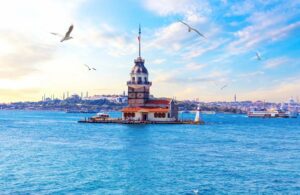

Turkey is a country where continents meet, cultures blend, and history is alive on every street corner. While its stunning beaches and ancient ruins attract millions of travelers year-round, there is a special magic in visiting during one of the country’s famous festivals. From centuries-old wrestling matches and colorful spring celebrations to world-class art and music in ancient theaters, Turkey’s annual events offer a deep dive into its vibrant soul.

If you are planning your next trip, scheduling it around these incredible festivals will give you memories to last a lifetime. Here is your ultimate guide to the best annual events in Turkey that attract visitors from all over the world.
1. What are the most popular annual events in Turkey for international tourists?
Turkey’s event calendar is incredibly diverse. It ranges from deeply traditional heritage festivals that have run for centuries to modern, high-energy art and music festivals.
For history and culture enthusiasts, events like the Whirling Dervishes Festival in Konya and the Kirkpinar Oil Wrestling Championship in Edirne are major draws. Nature lovers flock to the Istanbul Tulip Festival in spring, while music and theater fans book tickets months in advance for the International Aspendos Opera and Ballet Festival. Whatever your interests, Turkey hosts an event that will capture your imagination.
2. When is the famous Istanbul Tulip Festival, and where is the best place to see it?
- When: April (entire month)
- Where: Istanbul (parks, squares, and avenues across the city)
If you think tulips belong only to the Netherlands, think again! The tulip is actually a native Turkish flower and was highly prized as a symbol of nobility during the Ottoman Empire. The Turks actually introduced this beautiful flower to Europe in the 16th century.
Every year throughout April, Istanbul bursts into a brilliant canvas of color during the annual Tulip Festival. The local municipality plants millions of tulips in beautiful patterns all over the city. The absolute best spots to see these stunning displays are Emirgân Park (which hosts live traditional music and glass-blowing demonstrations), Gülhane Park near the Topkapi Palace, and Sultanahmet Square. It is a photographer’s dream and a perfect time to experience the city.
3. What is the Cappadocia Balloon Festival, and when does it take place?
- When: Usually held in August
- Where: Cappadocia (Göreme and Ürgüp regions)
Cappadocia is famous worldwide for its daily sunrise hot air balloon rides over surreal “fairy chimney” rock formations. However, the annual Cappadocia Balloon Festival takes this magical experience to another level.
During this multi-day festival, balloonists from dozens of countries bring uniquely shaped balloons—from frogs and octopuses to geometric shapes—to fill the skies. On the ground, the festival features night-glow shows where the balloons light up in sync with live electronic music, concerts, DJ performances, and local food stalls. It is a modern, whimsical celebration in one of the world’s most ancient landscapes.
4. Where can you watch traditional Camel Wrestling in Turkey?
- When: January (typically the third Sunday of the month)
- Where: Selçuk, Izmir
For a truly unique cultural experience, head to the Aegean coast in the dead of winter. Camel wrestling is a traditional nomadic sport that dates back over 2,400 years, deeply rooted in the Yörük culture of western Turkey.
The most famous gathering is the Selçuk Camel Wrestling Festival. Two male camels (known as Tülü) grapple with each other in an open dusty arena. The night before the match is called “Rug Night” (Halı Gecesi), where locals and visitors gather to feast, drink traditional lion’s milk (rakı), play music, and dance the traditional Zeybek. It is colorful, chaotic, loud, and incredibly authentic.
5. What is the Kirkpinar Oil Wrestling Festival, and why is it famous?
- When: Late June to early July
- Where: Edirne (near the Greek-Bulgarian border)
Holding the Guinness World Record for the oldest continuously running sports competition in the world, the Kirkpinar Oil Wrestling Championship has been held every year since 1360.
In this historic event, hundreds of muscular men called pehlivan (heroes) douse themselves in gallons of olive oil and wrestle under the hot summer sun on a grassy field. The goal is to pin your opponent or lift him into the air. The festival is not just about the sport; it is a massive cultural gathering filled with traditional Romani drumming, davul and zurna music, belly dancing, and massive feasts. It has also been recognized as a UNESCO Intangible Cultural Heritage event.
6. How can you participate in the Hıdırellez Spring Festival in Turkey?
- When: May 5–6
- Where: Celebrated nationwide, with the biggest festivities in Edirne and Istanbul
Hıdırellez is an ancient, joyous festival that celebrates the arrival of spring and the mythical meeting of the prophets Al-Khidr (representing land) and Elijah (representing the sea) on Earth.
During the night of May 5, locals participate in various colorful rituals. People write or draw their deepest wishes (such as a house, a car, or a romantic partner) on paper and bury them under rose bushes or throw them into flowing water. The most thrilling part of the festival involves jumping over a roaring bonfire three times, which is believed to wash away bad luck and cure illnesses. It is a beautiful night of dancing, laughter, and hope.
7. What is the Whirling Dervishes Festival in Konya?
- When: December 7–17 (annually)
- Where: Konya
Known locally as the Şeb-i Arus (The Night of Union), this festival commemorates the death of the legendary 13th-century Sufi mystic, poet, and philosopher, Jalaluddin Rumi. Rather than mourning his death, the festival celebrates his “wedding night” with the divine.
Over ten days, Konya becomes a hub of spiritual energy. The highlight of the festival is the Sema ceremony, where Sufi dervishes in tall felt hats and flowing white skirts whirl in hypnotic, graceful circles to traditional music. The atmosphere is deeply moving, quiet, and spiritual, attracting spiritual seekers and tourists from all corners of the globe.
8. What makes the International Aspendos Opera and Ballet Festival unique?
- When: September
- Where: Serik, Antalya
Imagine listening to world-class operatic vocals and watching dramatic ballet performances inside a massive Roman theater that was built nearly 2,000 years ago.
The Aspendos Theatre is widely considered the best-preserved ancient Roman theater in the entire world, and its acoustics are still flawless today. Every September, the Turkish State Opera and Ballet hosts this prestigious international festival, inviting famous global opera houses and dance companies to perform under the starlit Mediterranean sky. It is a stunning fusion of ancient architecture and classical art.
9. What is the Mesir Paste Festival in Manisa?
- When: Late March (often aligned with Spring/Nevruz)
- Where: Manisa (near Izmir)
The Mesir Paste Festival is a sweet, 500-year-old tradition. According to legend, Hafsa Sultan, the mother of Suleiman the Magnificent, fell deeply ill. A clever physician created a medicinal paste made of 41 different herbs and spices (including cinnamon, ginger, anise, and cumin) that completely cured her.
To celebrate, the Queen ordered the paste to be shared with the public. Today, tons of this spiced, dark sweet paste are wrapped in tiny colorful papers and tossed from the minarets and domes of the Sultan Mosque to eager crowds waiting below. Catching a piece of the paste is believed to bring good health, luck, and prosperity for the coming year.
10. Are there major international music and film festivals in Istanbul?
- When: Throughout Spring and Summer (April – July)
- Where: Various historic venues in Istanbul
For modern culture enthusiasts, Istanbul hosts massive international festivals that put the city at the center of the global art map:
- Istanbul International Film Festival (April): Showcases independent Turkish and global cinema, complete with workshops and director Q&As.
- Istanbul Music Festival & Istanbul Jazz Festival (June–July): These world-renowned events bring legendary international musicians and jazz icons to perform in historic open-air venues like the gardens of the Topkapi Palace, ancient churches, and parks overlooking the Bosphorus.
11. What should you expect when traveling to Turkey during Ramadan?
- When: Dates change every year based on the Islamic lunar calendar
- Where: All over Turkey (especially Istanbul and Konya)
Traveling during Ramadan (called Ramazan in Turkey) is a fascinating cultural experience. While many locals fast from dawn to sunset, tourist areas, restaurants, and shops remain fully open.
The magic happens right after sunset. The streets come alive as families gather for Iftar (the fast-breaking meal). Many municipalities set up massive public dining tents in squares, and historic areas like Sultanahmet are lit up with colorful lanterns, street performers, folk dances, and traditional shadow puppet shows (Karagöz and Hacivat). Following the holy month, the three-day Şeker Bayramı (Sugar Feast) takes place, where families exchange sweets, chocolates, and gifts.
12. How can you attend the Anzac Day Dawn Service in Gallipoli?
- When: April 25
- Where: Gallipoli Peninsula (Canakkale)
Every year, thousands of visitors from Australia, New Zealand, and around the world travel to the quiet shores of Gallipoli to pay their respects to the soldiers who fought and died during the World War I campaign in 1915.
The Anzac Day Dawn Service is a deeply moving, solemn ceremony held at dawn at the commemorative site on the beach. It is a beautiful symbol of peace and mutual respect between nations. Because of its massive popularity, accommodation and tours in Canakkale book out months in advance, so early planning is absolutely essential.
13. What is the Alaçatı Herb Festival, and why do foodies love it?
- When: Mid-to-late March
- Where: Alaçatı, Izmir Province
Tucked away in the cobblestone streets of the Aegean windsurfing town of Alaçatı, this festival is a culinary dream. The region is famous for its wild, edible spring herbs that grow in the fertile Aegean soil.
During the Alaçatı Herb Festival, local women gather dozens of varieties of wild greens, herbs, and flowers to sell at vibrant open-air street stalls. You can taste authentic home-cooked Aegean dishes, join cooking workshops led by famous Turkish chefs, listen to live local music, and learn about the healing properties of olive oil-based herb dishes.
14. Do you need a visa to attend festivals and events in Turkey?
Yes, most international travelers need a valid visa to enter Turkey and enjoy these incredible annual events. Fortunately, Turkey has modernized its immigration system, allowing tourists from dozens of eligible countries to skip long lines at embassies and apply online.
With an approved Turkey E-Visa, you can clear customs quickly and easily, giving you more time to pack your bags and plan your festival itinerary.
Why Choose Us for Your Turkey Tourist Visa?
Planning a trip to a foreign country can be overwhelming, especially when coordinating festival dates, flights, and accommodations. We are here to take the stress out of your travel preparations by handling your visa process from start to finish.
Ready to secure your travel documents hassle-free? Apply for Turkey Tourist Visa today and get ready to experience Turkey’s incredible culture firsthand!
- Reliable Travel Visa Services: Our global approach has successfully assisted numerous travelers in obtaining their visas quickly and without hassle.
- Round-the-Clock Assistance: Reach out to us 24/7! Our dedicated visa experts are always ready to guide you and will respond to any query within 72 hours.
- Experienced Visa Consultants: Benefit from professional, expert guidance designed to check your documents thoroughly and ensure the acceptance of your application.
- Efficient Visa Application Process: No complicated paperwork. Apply for your visa in just a few minutes using our simplified, user-friendly online form.