
Detoxing from alcohol at home can feel overwhelming, especially if you are unsure of the risks and best practices. Alcohol detox at home involves removing alcohol from your system safely while minimizing withdrawal symptoms. Understanding safe methods and warning signs is crucial for your health.
This article will cover safe approaches to detox at home, potential dangers, symptoms to watch for, and when professional help is necessary.
Understanding Alcohol Detox
Alcohol detox is the process your body undergoes when you stop drinking after prolonged alcohol use. Withdrawal symptoms vary from mild to severe depending on your alcohol intake history and overall health.
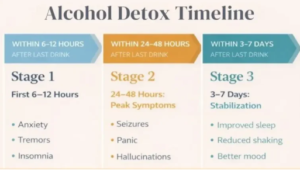
Common symptoms include:
- Anxiety, irritability, or restlessness
- Sweating, nausea, or vomiting
- Headaches or tremors
- Insomnia or fatigue
Recognizing these early helps you take proper steps to ensure safety during detox.
Safe Approaches to Alcohol Detox at Home
Gradual Reduction
For some, reducing alcohol intake gradually is safer than quitting abruptly. Slowly tapering alcohol can minimize severe withdrawal symptoms. Discuss a tapering plan with a healthcare professional.
Hydration and Nutrition
- Drink plenty of water to flush toxins
- Eat balanced meals with protein, fruits, and vegetables
- Avoid caffeine and sugary drinks that may worsen dehydration
Proper nutrition supports liver and kidney function during detox.
Support Systems
- Reach out to friends, family, or support groups
- Consider online or in-person addiction programs
- Accountability can reduce the risk of relapse
A strong support system makes detox safer and more manageable.
Monitoring Symptoms
- Track your symptoms daily
- Seek help if you notice severe tremors, confusion, or hallucinations
- Keep emergency contacts readily available
Monitoring ensures you respond promptly to dangerous symptoms.
What to Avoid During Home Detox
- Abrupt cessation if you have severe alcohol dependence
- Mixing alcohol with medications or illicit drugs
- Ignoring warning signs of severe withdrawal
- Attempting detox alone if you have a history of seizures or liver disease
Avoiding these risks protects your safety and increases your chances of successful detox.
When to Seek Professional Help
Some withdrawal symptoms can be life-threatening, including delirium tremens (DTs), seizures, and extreme dehydration. Seek medical attention immediately if you experience:
- Severe confusion or hallucinations
- High fever or rapid heartbeat
- Persistent vomiting or dehydration
- Seizures
Professional supervision may include medications to reduce withdrawal symptoms and prevent complications.
Post-Detox Care
After successfully detoxing at home, long-term strategies can prevent relapse:
- Attend counseling or therapy sessions
- Join peer support groups like Alcoholics Anonymous
- Develop stress-reducing routines such as exercise, meditation, or hobbies
- Maintain healthy sleep and nutrition habits
These strategies support sustained sobriety and overall well-being.
Benefits of Alcohol Detox at Home
- Regains physical health and hydration
- Reduces liver strain and risk of alcohol-related diseases
- Improves sleep, mood, and cognitive function
- Builds confidence in managing alcohol intake
With the right precautions, home detox can be safe and effective for many people.
FAQ: Alcohol Detox at Home
- Can I safely detox from alcohol at home?
Yes, if you have mild to moderate dependence and follow safe methods. Consult a doctor first. - How long does home detox take?
Mild withdrawal usually lasts 3–7 days; full recovery may take weeks. - What are common withdrawal symptoms?
Anxiety, sweating, nausea, tremors, insomnia, and irritability. - Can detox at home cause seizures?
Yes, in severe alcohol dependence. Seek medical supervision if needed. - Should I use medications during home detox?
Only under medical guidance to manage withdrawal safely. - Is hydration important?
Yes, water and electrolytes help prevent dehydration and support organ function. - Can I detox alone?
If dependence is severe, detox alone is risky. Seek supervision. - What foods support detox?
Fruits, vegetables, lean protein, and complex carbs promote recovery. - When should I call for help?
If symptoms include hallucinations, seizures, confusion, or rapid heartbeat. - Can home detox prevent relapse?
Detox is the first step; ongoing therapy and support are essential for lasting sobriety.