
Introduction
Walk into any newly opened wellness club, boutique hotel spa, or high-end fitness studio and you will notice something. The recovery area is no longer tucked behind a locker room door. It is a feature. Guests photograph it, talk about it, and choose a facility partly because of how it looks and feels.
Cold plunge tubs are at the center of this shift. A few years ago, cold water immersion was mostly a training-room tool, often a plain tub with a hose and a bag of ice. Today, commercial cold plunge tubs come in sculpted acrylic, stainless steel, stone-look composites, and fully custom builds. They are engineered to sit beside sauna units and share the same visual language, the same floor plan, and the same guest experience.
For owners, architects, and designers, this creates real freedom. You are no longer forced to choose between function and beauty. You can build a contrast therapy zone that looks intentional, feels premium, and still performs under heavy daily use.
This article looks at how commercial cold plunge tubs support aesthetic integration and design freedom, especially when paired with sauna units. We will cover material and finish choices, layout planning, the hot and cold pairing, and the practical details that keep a beautiful space working well for years.
Why Design Matters More Than Ever in Recovery Spaces
Wellness has become a lifestyle category, and guests judge facilities the way they judge restaurants and hotels. They notice lighting, materials, cleanliness, and flow before they ever step into the water. A recovery zone that looks improvised sends a quiet message that the business treats recovery as an afterthought.
The opposite is also true. A thoughtfully designed contrast therapy area tells guests that the operator cares about details. That perception supports higher membership tiers, longer stays, more repeat visits, and stronger word of mouth. In competitive markets, design is not decoration. It is part of the product.
Cold plunge tubs have become one of the most visible pieces in this puzzle. Unlike a treadmill or a rack of weights, a plunge tub is a sculptural object that sits in the open. It has water, movement, temperature, and a sense of ritual. When it is chosen and placed well, it becomes the visual anchor of the room. When it is chosen poorly, it becomes the thing everyone wishes they could hide.
Sauna units play a similar role on the warm side. Wood tones, glass fronts, and soft interior lighting create an inviting focal point. The real opportunity comes when the two are designed together, so that the sauna units and the cold plunge feel like parts of one story instead of two unrelated purchases.
Material and Finish Options That Expand Your Creative Range
One of the biggest reasons commercial cold plunge tubs offer so much design freedom is the range of materials and finishes now available. Commercial buyers are no longer limited to a single look.
Acrylic and composite shells. These are popular because they resist staining, clean easily, and can be molded into smooth, modern shapes. They come in a range of colors, from crisp whites and soft grays to deeper charcoal and stone tones. For facilities that want a clean, contemporary feel, a well-finished acrylic tub is hard to beat.
Stainless steel. Stainless tubs bring an industrial, almost laboratory-grade look. They pair beautifully with minimalist spaces, concrete floors, and black metal accents. They are also durable and hygienic, which matters in high-traffic commercial settings.
Tile-lined and stone-look builds. Some operators prefer a built-in plunge pool finished in mosaic tile or natural-looking stone. This approach works well in hotel spas and resort environments where the plunge needs to feel like part of the architecture rather than a piece of equipment.
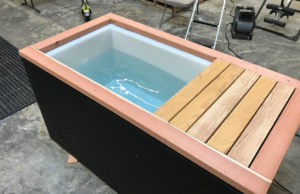
Wood-wrapped exteriors. A cedar or thermally modified wood surround can tie a cold plunge tub directly to nearby sauna units. When both share the same wood species and stain, the whole area reads as a single, deliberate design.
Custom colors and branded details. Many manufacturers now offer custom color matching, logo placement, and lighting options. A studio with a strong brand identity can carry its palette right into the water feature.
The point is simple. Whatever your design direction is, whether Scandinavian calm, urban industrial, coastal resort, or dark and moody luxury, there is a cold plunge format that fits it. That flexibility is the heart of design freedom.
Planning Layouts That Blend Function With Style
A beautiful tub in the wrong place is still a problem. Good aesthetic integration starts with layout, and layout starts with understanding how guests actually move through the space.
Think in circuits, not objects
Contrast therapy works best as a circuit. Guests warm up in sauna units, step out, cool down in the plunge, rest, and repeat. If the sauna and the plunge are far apart, the experience feels clumsy. If they are close together, with a clear and comfortable path between them, the ritual feels natural.
When planning, sketch the guest journey first. Where do they enter? Where do they shower? Where do they place a towel or a robe? Where do they rest between rounds? The cold plunge tub and the sauna units should sit along that path, not off in separate corners.
Respect sightlines
Sightlines shape how a room feels. A plunge tub placed at the end of a corridor or framed by a glass wall becomes a visual destination. A tub tucked awkwardly beside a mechanical closet becomes an eyesore. Consider what guests see when they walk in, and what they see from inside the sauna. Many designers position the plunge so it is visible through the sauna glass, which builds anticipation and makes the space feel larger.
Plan for indoor and outdoor placement
Commercial cold plunge tubs work indoors and outdoors, and each option opens different creative doors. Indoors, you can control lighting, temperature, and acoustics. Outdoors, you can create a dramatic setting with landscaping, decking, and open sky. Some facilities place sauna units outside as well, creating a full outdoor contrast garden. If you go this route, check that the materials you choose are rated for weather exposure and that drainage is planned properly.
Account for utilities early
Cold plunge tubs need power, water supply, drainage, and space for chillers and filtration. Sauna units need appropriate electrical capacity and ventilation. The less attractive the equipment, the more thought it deserves. Hiding chillers behind a slatted wood screen, or placing mechanical equipment in a service alcove, keeps the beautiful parts beautiful. Deciding this during design, rather than after installation, saves money and frustration.
Leave room to breathe
Crowded wellness areas feel stressful, which defeats the purpose. Leave enough space around the tub for guests to enter and exit safely, for staff to clean, and for people to stand and wait without feeling squeezed. Negative space is a design tool. A calm, uncluttered zone reads as premium.
The Hot and Cold Pairing: Designing Around Sauna Units
The strongest recovery spaces treat hot and cold as partners. This is where sauna units and commercial cold plunge tubs work together to create something greater than either alone.
Visual harmony
Start with color and material. If your sauna units use warm cedar and amber lighting, a cold plunge in a soft charcoal or deep blue shell creates a pleasing contrast. If your sauna units are finished in dark, modern tones, a white or stone-colored tub can lift the room. The goal is a palette that feels balanced, with warm and cool elements supporting each other.
Repeat materials where you can. A bench, a towel shelf, or a decorative wall panel made from the same wood as the sauna interior helps the eye connect the two areas. Matching hardware finishes, such as black matte handles or brushed steel fixtures, adds another layer of consistency.
Lighting that supports the mood
Lighting can make or break a contrast therapy zone. Sauna units usually benefit from low, warm light that keeps the interior soothing. Around the plunge, slightly cooler and cleaner light helps the water look fresh and inviting. Underwater or perimeter lighting on the tub can create a subtle glow that photographs well and feels calming in person. Dimmable controls give staff the ability to adjust the mood for different times of day, from an energetic morning session to a quiet evening wind-down.
Size and capacity that match
A common design mistake is mismatching capacity. If you install large sauna units that hold eight or ten people but only a single-person plunge tub, you will create a bottleneck. Guests will wait, and the experience will suffer. Consider how many people typically use each element at once, and choose commercial cold plunge tubs that keep pace. Some facilities install multiple plunge tubs or a larger group tub to match the throughput of their sauna units.
Storytelling through the space
The best contrast therapy areas tell a story. A Nordic-inspired design might use pale wood, linen towels, and simple lines. A modern urban gym might go for concrete, black steel, and bold lighting. A resort might lean into stone, greenery, and natural textures. Once you have a story, the choice of sauna units and cold plunge tubs becomes easier, because every decision either supports the story or distracts from it.
Durability, Hygiene, and Brand Value in Commercial Settings
Design freedom is exciting, but commercial spaces face demands that home installations never see. A beautiful tub has to survive constant use, frequent cleaning, and the scrutiny of every guest who walks past.
Built for heavy use
Commercial-grade cold plunge tubs are designed for repeated daily use, with stronger shells, more robust chillers, and better filtration than typical residential models. This matters because a tub that shows stains, cracks, or cloudy water quickly undermines the polished image you worked so hard to create. When comparing options, ask about warranty terms, expected service life, and how the manufacturer supports commercial customers.
Water quality is part of the aesthetic
Clear, clean water is one of the most attractive features a plunge can have. Good filtration, ozone or UV sanitation, and regular maintenance keep the water looking crisp. Guests notice. A clean, sparkling plunge next to well-maintained sauna units signals professionalism and care. Cloudy or neglected water does the opposite, no matter how expensive the tub was.
Easy cleaning protects your investment
Smooth, non-porous surfaces are easier to sanitize and hold up better over time. Consider how staff will drain, scrub, and refill the tub, and how long that process takes. Designs with accessible drains, removable covers, and simple filter access reduce downtime and labor costs. The same thinking applies to sauna units, where wood surfaces, benches, and floors need regular care to stay fresh.
Safety without visual clutter
Safety is non-negotiable in a commercial setting. Non-slip steps, sturdy handrails, clear signage, and visible temperature displays all matter. The good news is that safety features no longer have to look clinical. Handrails can be finished in matching metals, steps can be integrated into the tub design, and signage can follow your brand fonts and colors. Thoughtful safety design protects guests and keeps the space looking refined.
Brand value and return on investment
A well-designed contrast therapy zone can become a signature feature. It gives you something to show in marketing photos, something for guests to mention in reviews, and something that supports premium pricing. When sauna units and cold plunge tubs are chosen as a matched pair, the result feels curated instead of assembled. That curated feel is what turns a piece of equipment into a brand asset.
Common Design Mistakes to Avoid
Even experienced operators run into avoidable problems. A few to watch for:
- Choosing equipment before choosing a concept. Start with the story and the guest journey, then pick the tubs and sauna units that support it.
- Ignoring acoustics. Hard surfaces bounce sound. Splashing water and chiller hum can become irritating without some sound absorption or thoughtful placement.
- Skipping mockups. Sample materials, view them under your actual lighting, and check them against the sauna units before you commit.
- Underestimating maintenance access. Beautiful design should never make service impossible.
- Forgetting about towels, storage, and seating. Small practical details shape how guests feel about the space.
Conclusion
Commercial cold plunge tubs have moved well beyond basic utility. Today they are design elements in their own right, available in materials, colors, and formats that suit nearly any concept. Paired with well-chosen sauna units, they let you build a recovery space that feels cohesive, welcoming, and unmistakably premium.
The key is to plan with both function and beauty in mind. Start with the guest journey. Choose finishes that connect the hot and cold sides of the space. Match capacity so the flow stays smooth. Protect the look with strong hygiene, durable construction, and smart maintenance access. Do those things, and your contrast therapy zone becomes more than an amenity. It becomes a reason people choose you.