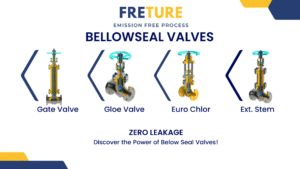

For procurement teams and piping engineers, selecting the right bellow sealed valve requires looking beyond standard pressure ratings. Maximizing system uptime requires evaluating bellow metallurgy, predicting cycle life, and designing a clear pathway for technical inquiries.
High-Performance Bellow Metallurgy
The metallic bellows is the most critical pressure-retaining component of the valve. While standard valve bodies use carbon or stainless steel, the bellows requires advanced alloys to handle complex mechanical stresses and aggressive media:
- Inconel (Alloy 600/625): Ideal for high-temperature steam loops and oxidative chemical environments. It provides exceptional resistance to chloride-ion stress corrosion cracking.
- Hastelloy (C276): Highly effective for extreme chemical processing. It resists strong oxidizers, hot contaminated mineral acids, and wet chlorine gas applications.
- Multi-Ply Stainless Steel (SS316L/SS321): The industrial baseline for standard thermal oil and vacuum services. Utilizing multiple thin layers (plies) instead of a single thick wall increases flexibility while maintaining high pressure resistance.
Understanding Bellow Cycle Life Expectations
A bellows does not last indefinitely. It is a dynamic component that fatigues over time due to mechanical movement and pressure cycling.
- The Design Standard: High-quality manufacturers design and test bellows to meet or exceed 10,000 to 20,000 full stroke cycles in accordance with international standards like MSS SP-117.
- Factors Reducing Cycle Life: Operating near maximum pressure limits, rapid thermal cycling, and high-frequency throttling significantly accelerate metal fatigue.
- Preventative Safety Features: Look for valve designs that incorporate a secondary packing chamber (graphite or PTFE packing) above the bellows. This acts as a backup seal and provides a monitoring port to detect a bellows breach before a external leak occurs.
Technical Procurement Checklist
When sourcing Bellow sealed valves for critical infrastructure, ensure your engineering team provides the following details to the manufacturer to get an accurate quote:
- Media Composition: Chemical formulas, concentration percentages, and presence of solids or slurries.
- Operational Limits: Minimum/maximum operating temperatures and maximum system pressure.
- Actuation Requirements: Manual (handwheel/gear), pneumatic, or electric automation requirements.
- Compliance Mandates: Requirements for fugitive emissions certifications (API 624/ISO 15848) or specific industry standards (e.g., Euro-Chlor).
Advanced Hydrocarbon and Volatile Gas Management
In petrochemical refining, controlling fugitive emissions from volatile organic compounds (VOCs) and light hydrocarbons like benzene, butane, and propane is a major regulatory and environmental challenge. Standard valve packing often degrades under the high-frequency cycling and low-molecular-weight properties of these light gases, leading to hazardous leaks. Implementing high-cycle bellow sealed valves resolves this vulnerability by completely sealing off the atmospheric leak path. This hermetic containment protects plant personnel from toxic exposure, prevents product loss, and ensures strict compliance with EPA and local environmental laws regarding fugitive emissions. By upgrading to bellows technology on gas headers and fractionating columns, refineries minimize greenhouse gas footprints and avoid costly environmental non-compliance fines.
Maximizing Efficiency in High-Temperature Thermal Oil Loops
Thermal oil systems—commonly used in asphalt processing, synthetic fiber manufacturing, and industrial heating—frequently operate at temperatures exceeding 300°C. Standard synthetic packing materials quickly harden, shrink, and fail under these sustained high thermal loads, resulting in hot oil leaks that present severe smoke and fire hazards. Bellow sealed valves utilize a multi-ply metallic barrier that expands and contracts naturally with these extreme temperature swings without losing seal integrity. This design eliminates the need for frequent packing tightening turnarounds, keeping thermal fluid safely contained inside the loop. As a result, facilities maintain consistent heat transfer efficiency, prevent fluid oxidation caused by atmospheric contact, and eliminate the maintenance costs of cleaning up hazardous oil spills around the pipe racks.
Secure Your System Integrity Today
Don’t compromise on plant safety or risk costly EPA fines due to fugitive packing emissions. Partner with trusted manufacturers who offer fully certified, high-cycle bellow sealed valves tailored to your exact chemical process.
Contact our engineering department today to receive a comprehensive technical consultation, customized CAD drawings, and a competitive commercial quote for your next maintenance turnaround or capital project expansion.