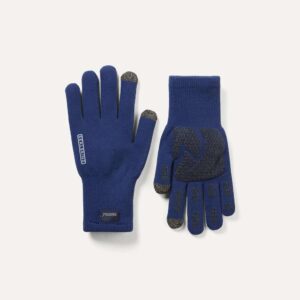

In demanding environments, hands are often the first to feel the effects of cold, rain, wind, and snow. Whether you are working outdoors, commuting in unpredictable weather, or enjoying winter sports, the right waterproof gloves can make a noticeable difference. More than just a seasonal accessory, waterproof gloves are a piece of technical equipment designed to protect, insulate, and perform in all conditions.
This guide offers a clear overview of waterproof gloves, how they work, and what to consider when choosing the right pair for all-weather protection.
What Are Waterproof Gloves?
Waterproof gloves are designed to prevent water from penetrating the glove while still allowing the hand to remain comfortable and functional. Unlike water-resistant gloves, which can repel light moisture for a short time, fully waterproof gloves use specialized materials and construction methods to block water completely.
Most high-quality waterproof gloves combine three essential elements: a waterproof barrier, insulation or thermal regulation, and a durable outer shell. When these elements work together, the glove keeps hands dry, warm, and protected even in prolonged wet conditions.
How Waterproof Gloves Work
At the core of waterproof gloves is a membrane or coating that stops water from entering. Common technologies include laminated membranes, bonded layers, or waterproof inserts. These membranes are designed to block liquid water while allowing moisture vapor from sweat to escape, helping hands stay dry from both rain and perspiration.
Sealed seams are another critical feature. Even the best waterproof fabric can fail if water enters through stitched areas. Professional-grade waterproof gloves use seam sealing or bonded construction to eliminate these weak points.
The outer layer typically adds abrasion resistance and grip, while the inner lining contributes warmth and comfort.
Key Materials Used in Waterproof Gloves
Material selection plays a major role in performance and durability. Some of the most commonly used materials include:
Synthetic shells such as nylon or polyester, valued for durability and flexibility
Leather for enhanced grip and long-term wear, often treated for waterproofing
Insulating linings like fleece, Thinsulate, or brushed tricot for thermal control
Waterproof membranes engineered to balance protection and breathability
The best waterproof gloves are carefully engineered to match materials to their intended use, whether that is industrial work, outdoor sports, or everyday wear.
Types of Waterproof Gloves by Application
Not all waterproof gloves are designed for the same purpose. Understanding the intended use helps narrow down the right option.
Work and Industrial Gloves
These gloves focus on durability, grip, and long-term wear. They often feature reinforced palms, cut resistance, and thicker shells while maintaining waterproof performance. Ideal for construction, logistics, agriculture, and maintenance work.
Outdoor and Sports Gloves
Designed for hiking, skiing, cycling, and other outdoor activities, these waterproof gloves prioritize flexibility, breathability, and thermal regulation. Lightweight designs with ergonomic shaping allow for extended use without hand fatigue.
Cold-Weather and Winter Gloves
These emphasize insulation and weather sealing. Multiple layers and advanced liners help retain heat while keeping moisture out, making them suitable for snow, ice, and freezing rain.
Everyday and Lifestyle Gloves
Sleeker in appearance, these gloves balance waterproof protection with comfort and style. They are often used for commuting, travel, and daily wear in wet climates.
What to Look for When Choosing Waterproof Gloves
Selecting the right waterproof gloves depends on several practical factors:
- Waterproof rating and construction: Look for fully waterproof designs with sealed seams
- Breathability: Essential for comfort during extended wear or physical activity
- Fit and dexterity: Gloves should allow natural hand movement without being too tight
- Grip performance: Textured or reinforced palms improve safety and control
- Insulation level: Match insulation to climate and activity level
A glove designed for light rain and mild temperatures will differ significantly from one built for sub-zero conditions or heavy-duty work.
Care and Maintenance for Long-Term Performance
Even the best waterproof gloves require proper care to maintain performance. After use, allow gloves to dry naturally away from direct heat. Dirt and oils can compromise waterproof coatings, so periodic cleaning according to manufacturer guidelines is recommended.
Storing gloves in a cool, dry place and avoiding unnecessary compression helps preserve their shape and protective layers. With proper maintenance, high-quality waterproof gloves can deliver reliable performance season after season.
Why Quality Waterproof Gloves Matter
In wet or cold environments, wet hands can quickly lead to discomfort, reduced dexterity, and even safety risks. Investing in well-designed waterproof gloves is not just about comfort. It is about maintaining productivity, protecting skin, and ensuring consistent performance regardless of weather conditions.
Professionally engineered waterproof gloves reflect careful attention to materials, construction, and real-world use cases. When chosen correctly, they become an essential tool rather than a disposable accessory.
Final Thoughts
Waterproof gloves are a vital solution for anyone exposed to unpredictable or harsh weather. By understanding how they work, what materials matter, and how different designs serve different needs, buyers can make informed decisions that deliver long-term value.
Whether for industrial use, outdoor adventure, or everyday protection, the right waterproof gloves provide dependable all-weather performance when it matters most.
Article post by: pabrik sarung tangan – mitrasaruta