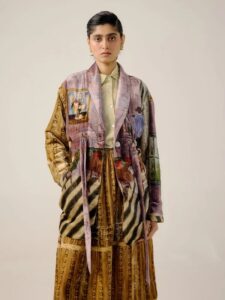

Layering is the most useful skill in cold-weather fashion. Done well, it keeps you warm, adds visual depth, and makes your outfits adjustable through the day. Done poorly, it feels bulky and confusing. Here’s a step-by-step approach to layers that look intentional rather than accidental.
The Three-Layer Principle
Most winter outfits benefit from three functional layers:
- Base layer: the thin piece closest to your skin, focused on comfort and moisture control.
- Mid layer: the insulating piece, such as a sweater, cardigan, or fleece.
- Outer layer: the coat or jacket that blocks wind and precipitation.
Thinking in these terms helps you see what an outfit is missing. Feeling cold usually means one of the three isn’t doing its job, and fixing it is often as simple as swapping a thin knit for a thicker one.
Start Slim, End Structured
A common rule is to keep the layers closest to your body slim and let the outer layers carry more volume. A fitted long-sleeve tee under a loose knit under a structured coat is a proven combination. Reversing the order, with a bulky item underneath and a tight layer on top, rarely works because the layers fight each other and restrict movement.
Play With Length
Varying lengths creates interest and helps prevent a boxy look. Let a shirt hem peek out below a sweater, or wear a longer cardigan beneath a shorter jacket. A slip dress extending slightly under a coat gives the outfit movement. Staggered hems draw the eye downward and add visual rhythm, especially when the layers are in related tones.
Use Necklines Strategically
Collars and necklines are opportunities. A button-down collar over a crewneck sweater adds polish. A turtleneck under a V-neck knit gives a stylish, intentional contrast. Choose layers with different necklines so each can be seen, rather than stacking similar ones that merge into a lump around your neck.
Mix Textures and Weights
Combining fabrics makes layered looks feel rich. A smooth silk-blend blouse under a chunky cardigan, a corduroy jacket over a fine knit, or a suede jacket over a wool dress all show contrast. Contrast in weight matters too: light fabrics beneath heavy ones keep bulk down, while heavy fabrics against the body create a stiff, uncomfortable shape.
Keep the Color Story Cohesive
Too many colors can make layers look chaotic. A good approach is to limit yourself to three tones per outfit. For example, cream, camel, and chocolate brown create a soft, tonal effect. Or use one neutral base with a single pop of color in a scarf or sweater. Tonal dressing is especially effective, since varied shades of the same color add depth without noise.
Layer With Dresses and Skirts
Layering isn’t only for trousers. Put a turtleneck or fitted long-sleeve top under a sleeveless dress. Wear a cardigan or blazer over it, then add tights and boots. For skirts, thermal leggings or opaque tights under the fabric add warmth without changing the outline. To avoid static cling, choose a slip made of natural or anti-static fabric.
Think About Comfort and Mobility
Fashion loses its appeal quickly if you can’t move. Test your layers: can you raise your arms, sit comfortably, and button your coat? If your mid-layer bunches under your coat sleeves, swap it for something thinner. Also consider indoor temperatures. Choose pieces you can remove easily, such as a cardigan that opens in front, so you don’t overheat on the train or at the office.
Build a Layer-Friendly Closet
When you shop for winter clothes, favor items designed to combine well. Fine-gauge knits, sleeveless vests, longline cardigans, and slim thermal tops are all useful building blocks. Vests are especially handy because they add warmth to your core without adding bulk to your arms. Scarves and shawls can act as removable layers too.
Three Reliable Layered Outfits
- Casual: thermal tee, oversized cable-knit sweater, straight jeans, sneakers or boots, puffer coat.
- Office: silk-blend blouse, fitted knit vest, tailored trousers, loafers, long wool coat.
- Evening: slim turtleneck, slip dress, tights, heeled boots, tailored blazer.
Each formula uses the same logic: slim inside, structured outside, with a texture or length contrast to keep the eye interested. Once you know the pattern, you can swap individual pieces without rethinking the entire look.
Common Layering Mistakes to Avoid
Avoid stacking three thick items, which creates a padded, restricted look. Skip layers with clashing prints unless you’re confident mixing patterns. Don’t ignore your legs and feet: a well-layered top half paired with thin socks and unlined shoes leaves you cold. Finally, avoid cotton as your only base on very cold, damp days, since it holds moisture against your skin.
Final Thoughts
Great layering comes from balance: slim inside, structured outside, varied lengths and textures, and a cohesive color palette. Practice a few combinations and adjust based on the weather. Before long, layering will feel natural rather than complicated, and you’ll look put together even on the coldest mornings.