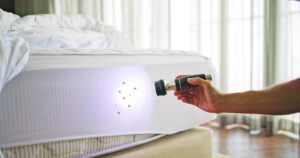

Bed bugs can be difficult to control because they hide in mattresses, bed frames, furniture, cracks, baseboards, luggage, and other sheltered areas. Finding one or two bugs may indicate that more are hiding nearby, making early inspection important for Jacksonville homeowners, renters, landlords, and property managers.
For people researching Bed Bug Heat Treatment in Jacksonville FL, understanding how the process works can make it easier to compare treatment options and prepare a property appropriately. Heat is one of the non-chemical approaches used for bed bug control, and professional treatment involves controlled heating rather than simply raising the thermostat inside a home. The U.S. Environmental Protection Agency warns that improvised heating with space heaters, fireplaces, or similar equipment can be dangerous and should not be used as a DIY whole-home treatment.
What Is Bed Bug Heat Treatment?
Bed bug heat treatment is a pest-control method that uses controlled heat to raise temperatures in an infested area to levels that can kill bed bugs at different life stages.
Unlike simply heating one mattress, professional treatment can involve treating an entire room or other defined areas. Technicians use specialized equipment and temperature monitoring to distribute heat throughout the treatment zone.
The goal is not merely to make the room feel hot. Effective treatment requires appropriate temperature exposure throughout locations where bed bugs may be hiding.
The EPA explains that heating infested articles or areas to at least 120°F for approximately 90 minutes can kill bed bugs and eggs, although the required time can vary depending on temperature.
Florida’s Department of Agriculture and Consumer Services also identifies heat as one treatment option for bed bugs and recommends hiring a licensed pest-control company when dealing with an infestation.
How Does Bed Bug Heat Treatment in Jacksonville FL Work?
A professional heat treatment generally begins with an inspection. The technician looks for evidence of bed bugs and determines where treatment is needed.
The process may include several important stages:
1. Inspection
The property is inspected for visible bugs, eggs, shed skins, fecal spotting, and potential hiding areas.
Common locations include:
- Mattress seams
- Box springs
- Bed frames
- Headboards
- Upholstered furniture
- Baseboards
- Cracks and crevices
- Closets
- Luggage storage areas
- Other protected spaces
A careful inspection helps establish the extent of the suspected infestation.
2. Preparation
Before treatment, residents may need to remove or protect heat-sensitive materials and follow the provider’s preparation instructions.
The EPA recommends cleaning and inspecting items in affected living areas and using sealed bags when moving items that could spread bed bugs. Clothing and bedding that can safely tolerate high dryer temperatures can also be treated appropriately.
Preparation requirements can vary, so homeowners should follow the specific instructions supplied by the pest-control professional.
3. Controlled Heating
Specialized heating equipment is positioned to raise the temperature within the treatment area.
Technicians monitor conditions rather than relying on the home’s thermostat. The purpose is to create a controlled environment where sufficient heat reaches areas where bed bugs may be hiding.
4. Temperature Monitoring
Monitoring is an important part of professional heat treatment.
A room can feel extremely hot while cooler areas remain elsewhere. Professional equipment and temperature measurements can help identify whether the treatment area has reached the required conditions.
This is one reason professional whole-room heat treatment should not be confused with turning up a home’s thermostat.
5. Inspection After Treatment
After treatment, the property may be inspected again for remaining evidence.
Because bed bug control can require more than one control method or follow-up inspection, homeowners should ask providers what post-treatment monitoring is included.
The Florida Department of Agriculture and Consumer Services notes that repeated inspections are important in bed bug control and recommends monitoring after treatment.
Can Heat Kill Bed Bug Eggs?
One of the most important questions homeowners ask is whether heat can reach bed bug eggs.
The answer depends on the temperature and exposure time achieved during treatment.
The EPA states that heating infested areas or articles to at least 120°F for 90 minutes can ensure that eggs are killed, while higher temperatures can reduce the required exposure time.
However, this does not mean that simply using a household heater is a safe substitute for professional treatment.
Bed bugs may hide in locations that are difficult to heat evenly. That’s why professional temperature monitoring and appropriate equipment are important considerations when evaluating Bed Bug Heat Treatment in Jacksonville FL.
Why Is Professional Heat Treatment Different From DIY Heating?
DIY bed bug treatment can be tempting when homeowners want a quick solution. However, heating an entire room with household heaters can create serious safety hazards.
The EPA specifically warns against using thermostats, propane heaters, fireplaces, or similar methods to increase indoor temperatures for bed bug control. Such approaches may not work and can be dangerous.
Professional treatment differs because technicians use equipment designed for pest-control applications and monitor temperatures during the process.
Homeowners should never attempt to reproduce professional heat treatment with improvised heating equipment.
What Are the Potential Advantages of Heat Treatment?
Heat treatment can be attractive to homeowners for several reasons.
Non-Chemical Approach
Heat can control bed bugs without relying solely on liquid pesticides. The EPA recognizes heat as one of the non-chemical methods used in integrated pest management.
Treatment of Hidden Areas
Bed bugs can hide in cracks, furniture, and other locations. A properly managed heat treatment can target areas beyond the surface of a mattress.
Whole-Area Treatment Potential
Depending on the property and infestation, professional equipment can be used to treat rooms or larger areas rather than focusing only on visible insects.
No Chemical Residue From Heat
Because heat itself does not leave a pesticide residue, some homeowners may prefer it as part of a broader bed bug management strategy.
However, heat treatment does not automatically prevent future infestations. The EPA notes that heat treatments have no residual effect, meaning bed bugs introduced after treatment can establish a new infestation.
Is Heat Treatment Always Enough?
Not necessarily.
Bed bug control can involve inspection, cleaning, vacuuming, monitoring, heat, encasements, and other appropriate methods. The EPA describes integrated pest management as a comprehensive approach rather than relying on a single technique in every situation.
For this reason, homeowners should ask a pest-control provider to explain:
- What areas will be treated?
- How will temperatures be monitored?
- What preparation is required?
- What items need to be removed?
- Will an inspection be completed afterward?
- Is follow-up monitoring recommended?
- What happens if additional bed bug activity is discovered?
These questions can help homeowners understand the proposed treatment rather than selecting a provider based only on price.
How Should Jacksonville Homeowners Prepare for Heat Treatment?
Preparation can affect how smoothly treatment goes.
Depending on the provider’s instructions, preparation may involve:
- Removing people and pets from the treatment area
- Identifying heat-sensitive belongings
- Securing medications and other sensitive items
- Following instructions for clothing and bedding
- Reducing unnecessary clutter
- Cleaning accessible areas
- Keeping treated items separated from potentially infested items
- Following the technician’s instructions about furniture and room access
The EPA recommends inspecting and cleaning furniture and affected areas and using sealed bags when moving potentially infested belongings.
Do not create your own preparation procedure if the pest-control provider gives specific instructions. Different properties and treatment systems can have different requirements.
What Should You Remove Before Heat Treatment?
Not every item should automatically be removed.
Some materials may be sensitive to elevated temperatures. The EPA specifically advises taking care with heat-sensitive items because they may melt or otherwise become damaged during treatment.
Ask the treatment provider about:
- Candles
- Aerosol containers
- Certain medications
- Plants
- Electronics
- Pressurized containers
- Heat-sensitive plastics
- Artwork
- Delicate materials
- Other items identified by the provider
A professional should explain which items need special handling before treatment begins.
How Can You Choose a Bed Bug Treatment Provider in Jacksonville?
Searching for Bed Bug Heat Treatment in Jacksonville FL may produce many pest-control options.
Instead of choosing solely on advertising language, compare providers based on practical questions.
Ask About Licensing
Florida’s Department of Agriculture and Consumer Services recommends hiring a licensed pest-control company for bed bug problems.
Homeowners can ask the company for applicable licensing information before scheduling service.
Ask About Experience
Bed bugs require careful inspection and treatment planning. Ask how the company handles bed bug infestations and whether technicians have experience with heat-based treatment.
Ask About Temperature Monitoring
A professional heat treatment should involve controlled temperature management rather than simply turning up the thermostat.
Ask how temperatures are measured and how the technician determines that the treatment area has reached the necessary conditions.
Ask About Follow-Up
Ask whether the provider recommends a post-treatment inspection or monitoring.
Follow-up can be particularly important because bed bug activity can be difficult to identify immediately.
Compare the Scope of Service
Two companies may quote different prices because they are offering different treatment scopes.
Ask whether the price covers:
- Inspection
- Preparation guidance
- Treatment
- Temperature monitoring
- Follow-up inspection
- Additional visits if needed
Understanding what is included can make price comparisons more meaningful.
How Does Heat Compare With Chemical Bed Bug Treatment?
Heat and chemical treatment are different approaches.
Heat uses controlled temperature exposure, while chemical treatments use products specifically labeled for bed bug control.
The EPA recommends an integrated approach to bed bug management and notes that pesticides should be used as part of a comprehensive strategy rather than assuming one method is appropriate for every situation.
Florida’s pest-control guidance similarly identifies multiple possible control methods, including heat, vacuuming, encasements, monitoring, insecticidal products, and other techniques.
The appropriate approach depends on factors such as infestation size, property conditions, treatment goals, and professional assessment.
Can Bed Bugs Return After Heat Treatment?
Yes.
Heat treatment can address an existing infestation, but it does not create a permanent barrier against future bed bugs.
The EPA specifically states that heat treatments have no residual effect.
Bed bugs can be introduced again through:
- Used furniture
- Luggage
- Clothing
- Visitors
- Shared living environments
- Travel
- Other infested belongings
After treatment, residents should continue monitoring for signs of bed bugs.
Mattress and box-spring encasements, bed bug interceptors, careful inspection, and good housekeeping practices can support an ongoing monitoring strategy.
What Are Common Mistakes to Avoid?
Homeowners dealing with bed bugs sometimes make the problem harder to manage by moving infested belongings from one room to another.
Common mistakes include:
- Moving furniture unnecessarily
- Sleeping in another room without a treatment plan
- Throwing away furniture without professional advice
- Using excessive pesticides
- Using foggers as the only control method
- Heating the home with unsafe equipment
- Ignoring preparation instructions
- Failing to monitor after treatment
The EPA warns that foggers should not be relied on as the only method for bed bug control and that improper pesticide or heating practices can create safety risks.
How Can a Local Business Directory Help With Your Search?
When researching Bed Bug Heat Treatment in Jacksonville FL, homeowners may want to compare several local pest-control companies instead of contacting only the first provider they find.
A local business directory can help organize information about businesses and make local research easier. However, directory listings should be treated as a starting point rather than a substitute for checking licensing, treatment methods, service scope, and provider-specific information.
When comparing Jacksonville pest-control providers, look for clear information about bed bug inspections, treatment methods, preparation requirements, monitoring, and follow-up.
What Questions Should You Ask Before Booking?
Before scheduling a treatment, consider asking:
- Do you provide professional bed bug heat treatment?
- How do you inspect for bed bugs before treatment?
- How do you monitor treatment temperatures?
- What preparation do I need to complete?
- Which items should be removed or protected?
- Do people and pets need to leave during treatment?
- Do you provide a post-treatment inspection?
- What happens if bed bug activity is found afterward?
- Is the quoted price for one treatment or multiple visits?
- What prevention or monitoring steps do you recommend after treatment?
Clear answers can help you understand what you are paying for and what the treatment process involves.
Frequently Asked Questions
Is Bed Bug Heat Treatment in Jacksonville FL safe?
Professional heat treatment can be conducted with specialized equipment and proper procedures. However, heat-sensitive materials must be handled carefully, and residents should follow the provider’s preparation and safety instructions. The EPA warns against DIY heating methods involving space heaters, fireplaces, or similar equipment.
Does heat treatment kill bed bug eggs?
Appropriate heat exposure can kill bed bug eggs. The EPA states that heating infested areas or articles to at least 120°F for about 90 minutes can ensure eggs are killed.
Can I perform whole-house bed bug heat treatment myself?
Whole-house DIY heating is not recommended. The EPA specifically warns that improvised indoor heating methods can be dangerous and may not effectively eliminate bed bugs.
How should I prepare for bed bug heat treatment?
Preparation depends on the treatment provider and property. It can include removing heat-sensitive items, reducing clutter, cleaning affected areas, and following instructions for bedding and clothing.
Can bed bugs come back after heat treatment?
Yes. Heat treatment does not provide residual protection. New bed bugs can be introduced after treatment, so continued monitoring and prevention are important.
Should I choose heat or chemical treatment?
There is no single method that is appropriate for every infestation. Professional assessment can help determine whether heat, chemical treatment, or a combination of control methods is appropriate. The EPA recommends an integrated pest management approach.
Should Jacksonville homeowners hire a licensed pest-control company?
The Florida Department of Agriculture and Consumer Services highly recommends hiring a licensed pest-control company when dealing with bed bugs.
Conclusion
Bed Bug Heat Treatment in Jacksonville FL can be an important option for homeowners and property managers researching ways to address an established bed bug infestation. Professional heat treatment uses controlled temperatures and monitoring rather than improvised heating methods.
Before choosing a provider, consider the inspection process, treatment scope, temperature monitoring, preparation requirements, safety procedures, licensing, and follow-up options. Heat can be an effective component of bed bug control, but continued monitoring and prevention remain important because treatment does not protect a property from future introductions.
For Jacksonville residents comparing local pest-control services, careful research can help you understand the available treatment approaches and select a provider based on documented service information rather than simply choosing the first listing you encounter.
Written By: Rank Business Listings