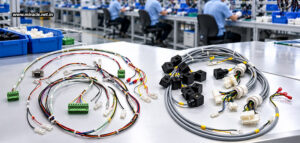

In large-scale industrial wire harness production, when thousands of harnesses are produced for machinery, automation systems, control equipment, power systems, automotive applications, or other industrial products, every assembly must be consistent. Consistency means meeting the same defined specifications, in terms of dimensions, electrical performance, component selection, crimp quality, routing, identification, appearance, and overall functionality from one production batch to another. Even a small variation can create installation difficulties, electrical problems, equipment downtime, or costly rework. Manufacturers therefore rely on a combination of standardized processes and systems that ensure that increasing production volume does not come at the expense of quality.
Standardizing industrial wire harness production
Standardization is the foundation of consistency in large-scale industrial wire harness production. When every production stage follows clearly defined procedures, there is least possible variation between operators, batches, and production shifts. Standardized work instructions typically specify wire types, cutting lengths, stripping dimensions, terminal requirements, crimping parameters, connector positions, routing methods, labelling, and inspection requirements. Standardization ensures that operators follow the same sequence and requirements at every stage, regardless of when or where a harness is produced. For large-scale production, consistent processes create the repeatability needed to maintain uniform quality across thousands of assemblies.
Maintaining strict control over raw materials
The consistency of a finished industrial wire harness begins with the materials used to manufacture it. The incoming materials need to be checked for quality and specifications, verifying that the components meet approved requirements before they enter production. Material control may include checking wire specifications and dimensions, terminal and connector part numbers, component quantities, material certifications, physical condition of each component, and batch information. Once checked and verified, it is equally important to maintain the components well. Proper storage and controlled handling are important to reduce the possibility of incorrect or damaged components entering the production process, thus maintaining consistency throughout large production runs.
Using precision wire processing equipment
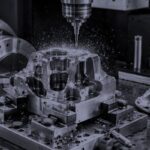
Large-scale production requires equipment capable of repeatedly performing operations within defined specifications. While manual processes are important and unavoidable, automated equipment should be used wherever possible, such as for wire cutting, stripping, marking, crimping, and other repetitive processes. This leaves no room for errors, and maintains precise consistency throughout the production run. Consistent wire lengths, consistent stripping dimensions, and consistent connection quality are maintained. But for this, it is absolutely crucial that the equipment is properly programmed, maintained, and monitored. Operators should verify settings before production and perform appropriate first-piece checks.
Using standardized fixtures and assembly boards
Industrial wire harnesses can contain numerous branches, connectors, clips, terminals, and routing paths. As complexity increases, maintaining the correct physical configuration becomes more challenging. Assembly boards and fixtures provide operators with a defined physical reference for positioning and routing wires. A properly designed fixture can indicate wire routing paths, connector positions, branch locations, component orientation, clip placement, and overall harness dimensions. Using standardized fixtures helps ensure that every harness follows the same physical configuration. This becomes particularly valuable during high-volume production, where maintaining consistent assembly across multiple shifts is essential.
Applying quality checks throughout production
Quality checks at the end of each stage can help identify errors at the earliest, before they can be carried forward into later stages. The wires and components need to thus be inspected after every stage including wire cutting, wire stripping, wire crimping, terminal insertion, connector assembly, routing, labelling, and final assembly. Regular checks also help maintain consistency between batches, ensure that specifications are followed correctly, and prevent minor deviations from developing into larger production issues. This approach improves production efficiency while reducing rework and scrap. It also supports better quality control, smoother workflows, and greater confidence in the reliability of finished industrial wire harnesses.
Training and cross-training production teams
Skilled personnel remain essential to large-scale industrial wire harness production. Operators need to understand production procedures, equipment operation, quality requirements, and application-specific assembly instructions. Training should cover areas such as wire preparation, crimping, connector assembly, routing, inspection, and testing. Refresher training can help reinforce important practices, particularly when processes or products change. Cross-training can also improve consistency by ensuring that multiple operators are qualified to perform critical operations. This reduces dependence on individual employees and allows manufacturers to adjust production resources according to demand. A trained workforce is better positioned to recognize process abnormalities and take corrective action before inconsistent products move further through production.
Managing engineering changes without affecting consistency
Industrial wire harness designs may change due to revised specifications, component updates, or changes in equipment requirements. Managing these changes carefully is important for maintaining consistency across production batches. Manufacturers need to ensure that updated drawings, specifications, work instructions, and production data are communicated clearly before the revised version enters production. Older versions should also be controlled to prevent them from being used accidentally. Proper change management helps ensure that all teams work from the same information and that changes are introduced in a controlled manner. This reduces confusion, prevents inconsistencies between batches, and supports reliable production even when harness designs evolve.
Maintaining equipment through preventive maintenance
Production equipment can gradually lose accuracy due to wear, contamination, incorrect setup, or component deterioration. In large-scale production, even a small equipment issue can affect a substantial number of industrial wire harnesses if it remains undetected. To mitigate this, maintenance schedules must be established for cutting machines, stripping equipment, crimping systems, marking equipment, testing machines, and assembly fixtures. Equipment condition should be monitored regularly, while measurement and testing systems should be calibrated according to defined requirements. Such preventive maintenance helps manufacturers maintain stable production conditions and reduce unexpected downtime. It also reduces the likelihood that equipment deterioration will introduce variations into otherwise standardized production processes.
Maintaining traceability across production
Traceability provides manufacturers with a clear record of how industrial wire harnesses were produced and inspected. Production records can help connect materials, components, operators, equipment, inspection results, and finished assemblies to specific production batches. Maintaining these records makes it easier to identify the source of an issue if a variation is discovered later. It also supports quality monitoring and helps manufacturers review production performance over time. In large-scale manufacturing, effective traceability provides greater visibility across the production process and allows manufacturers to respond more systematically to quality concerns while maintaining consistency across different batches and production requirements.
For businesses seeking dependable industrial wire harness solutions, Miracle Electronics offers manufacturing expertise focused on consistent quality and reliable production. As an industrial wire harness manufacturer exporter from India to USA, Miracle Electronics supports diverse industrial requirements with carefully controlled manufacturing processes and quality-focused assemblies.
Consistency in large-scale industrial wire harness production is essential for maintaining dependable performance and meeting the demands of modern industrial applications. As production volumes increase, manufacturers must maintain a strong focus on quality, reliability, and efficiency without compromising the overall standard of their assemblies. A consistent manufacturing approach reduces production errors and helps ensure that every harness meets the expected requirements and performs reliably in its intended application. By maintaining high standards throughout production and focusing on continuous improvement, manufacturers can build greater confidence in their products and support the long-term needs of their customers across diverse industrial applications and demanding operating environments.