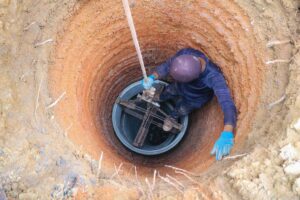

A private well can become a serious household concern when water suddenly stops, pressure drops, flooding reaches the well area, or water changes color, taste, or odor. An emergency affects drinking, cooking, sanitation, and daily routines.
For homeowners researching well services in Iowa City, the first step is identifying whether the issue involves the water source, pump, electrical supply, pressure system, or water quality. A sudden outage can result from a failed submersible pump, tripped breaker, damaged pressure switch, or reduced water availability. Avoid opening electrical components or repeatedly resetting a breaker that keeps tripping.
When a Well Problem Needs Immediate Attention
No water, rapidly falling pressure, unusual pump noises, a flooded well area, or visible damage around the wellhead deserves prompt attention. If floodwater may have entered the well area, stop using the water for drinking until its safety is established.
If service is needed after normal business hours or on a weekend, ask whether emergency dispatch is available and what response window is typical. Describe the symptoms clearly. Brown Well Pump Service provides 24/7 emergency assistance, but response time can depend on technician availability, location, weather, and the nature of the problem. Emergency service-call and repair costs can also vary based on diagnosis, labor, parts, travel, and after-hours requirements, so ask about current charges and expected response time when calling rather than relying on a generic estimate.
Protect Drinking Water After Flooding or Contamination
Dirty, cloudy, or unusual-smelling water should not automatically be considered safe. If contamination is suspected, stop using the water for drinking, cooking, making ice, brushing teeth, and preparing infant formula. Use a safe alternative supply until testing provides appropriate confirmation.
Arrange testing for coliform bacteria and nitrate after flooding or suspected contamination. Nitrate is an important Iowa groundwater concern, and elevated levels can be especially dangerous for infants. Iowa health guidance identifies infants under six months as the group at greatest risk from elevated nitrate in drinking water. Boiling can kill many microorganisms, but it does not remove nitrate and can increase its concentration as water evaporates.
How Emergency Well Equipment Is Checked
A technician should evaluate the complete system rather than automatically replacing the pump. A submersible pump operates inside the well, while a jet pump sits above ground and moves water through piping. Inspection can include the electrical supply, pump operation, wiring, well casing, and pitless adapter, which connects the well to the water line.
A complete diagnosis may also consider the well’s static water level, which is the water level when the well is not being pumped, and drawdown, which describes how far that level falls during pumping. Well yield or recovery rate helps indicate how much water the well can provide and how quickly the water level recovers after pumping. These measurements can help distinguish a pump problem from limited water availability in the well.
The pump and well construction also include components that may affect operation. A submersible pump is connected through a drop pipe, while check valves help control the direction of water movement through the system. Well casing depth and construction, along with proper grouting around applicable portions of the casing, are important considerations when evaluating the condition of the well and protecting the water source.
The pressure system is also important. A pressure switch starts and stops the pump according to system pressure. The pressure tank stores water and reduces unnecessary pump cycling. Cut-in and cut-out settings should match the equipment requirements. Incorrect settings can cause poor pressure, short cycling, or excess wear.
Short cycling can also occur when a pressure tank becomes waterlogged or loses the proper air charge. In that condition, the tank has less usable drawdown capacity, causing the pump to start and stop more frequently than intended. Because repeated cycling can increase wear on the pump and controls, frequent starts should be diagnosed rather than treated only as a pressure-switch problem.
Well Disinfection After Flooding
A well exposed to floodwater or bacterial contamination may require shock chlorination. This controlled disinfection process treats the well and connected plumbing. Afterward, the system should be flushed as appropriate and the water retested before normal drinking use resumes.
Shock chlorination should not be treated as a simple do-it-yourself response when the well’s construction, condition, or source of contamination is unknown. Contamination can result from defects that disinfection alone will not correct. A certified well professional can inspect the system, identify construction or equipment problems, determine whether shock chlorination is appropriate, and provide guidance on flushing and follow-up testing.
Iowa Resources and Ongoing Well Care
Private well owners can contact the Iowa Department of Natural Resources and their county environmental health or public health office for testing guidance, well records, rehabilitation information, and assistance programs. Some local programs may help with eligible costs.
Routine care includes inspecting the wellhead, limiting surface runoff near the well, monitoring pressure, and testing water periodically. Keep fuel, chemicals, animal waste, and other contamination sources away from the well.
If your well has stopped supplying water, lost pressure, flooded, or produced questionable water, contact a qualified well professional promptly. Ask about emergency availability, expected response time, water testing, disinfection, and equipment inspection. For homeowners needing well services in Iowa City, IA, having these details ready can make an urgent service call more efficient.
A private well failure can become a household inconvenience and water-safety concern. Homeowners seeking well services in Iowa City should act promptly. Protect questionable water, arrange coliform and nitrate testing when appropriate, understand the basic pump and pressure components, and seek professional help when the issue requires specialized equipment or electrical work.