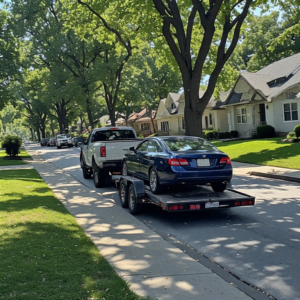

Moving a vehicle across the country can become complicated when driving it yourself is not practical. Long distances, work schedules, relocation deadlines, fuel expenses, and the physical demands of a road trip can make professional transportation an appealing alternative.
With door to door car shipping, the basic idea is straightforward: a carrier collects your vehicle from a requested pickup location and transports it toward the delivery address. However, the actual process involves several stages, from preparing the vehicle to coordinating the final handoff.
Knowing what happens at each stage can make the experience easier to manage.
It Starts With the Pickup and Delivery Details
The first step is providing accurate information about where the vehicle needs to go.
You may be asked for:
- Pickup city, state, or ZIP code
- Delivery city, state, or ZIP code
- Vehicle make and model
- Vehicle operating condition
- Preferred transportation method
- Desired pickup timeframe
- Contact information
Specific locations are especially important. A carrier needs to know whether the requested addresses are accessible to a large transport truck.
If a residential street is too narrow or has restrictions on commercial vehicles, the carrier may arrange a nearby meeting point that provides safer access.
What “Door to Door” Actually Means
The phrase can sometimes create unrealistic expectations.
Door-to-door transportation generally means the carrier attempts to pick up and deliver the vehicle as close as safely and legally possible to the addresses provided. It does not necessarily mean the carrier can park directly in front of every house.
For example, a downtown street, gated community, apartment complex, narrow neighborhood road, or restricted area may not provide sufficient space for a large carrier.
In such situations, the driver and customer can coordinate a convenient accessible location nearby.
The convenience comes from minimizing the distance the customer needs to travel to hand over or retrieve the vehicle.
Your Car Has a Role in the Process
Before transportation begins, the vehicle should be prepared appropriately.
Remove personal belongings and unnecessary items from the interior and trunk. Personal possessions can create complications during transportation and may not be covered under the carrier’s cargo insurance.
It is also helpful to:
- Check tire condition
- Confirm the vehicle starts and operates normally
- Leave only the recommended amount of fuel
- Disable alarms if necessary
- Fold or remove loose accessories
- Photograph the exterior before pickup
Taking photographs from different angles creates a record of the vehicle’s condition before it begins its journey.
For an inoperable vehicle, tell the transportation provider before booking. Special equipment may be necessary to load it onto the carrier.
Pickup Day Is About Inspection and Handover
When the carrier arrives, the vehicle is generally inspected before loading.
The customer and driver can review the vehicle’s visible condition and document existing scratches, dents, chips, or other noticeable damage. This inspection provides a reference point for the transportation process.
Once the paperwork and inspection process are completed, the vehicle can be loaded.
This is also a good time to confirm the contact information being used during transit. Keeping communication details accurate helps both parties stay connected if plans change.
The Journey Doesn’t Follow a Fixed Script
Once the vehicle is moving, several factors can influence the journey.
Traffic congestion, weather, road construction, carrier scheduling, and other transportation conditions can affect progress. A long-distance shipment may also involve multiple stops as the carrier handles other vehicles along its route.
Because of this, delivery should generally be planned around an estimated timeframe rather than an exact arrival hour.
If you have an important event, new job, home closing, or other commitment connected to the vehicle’s arrival, communicate that information early.
Open and Enclosed Options
Door-to-door service does not necessarily determine how the vehicle is transported. Customers may have a choice between open and enclosed transportation depending on availability and vehicle requirements.
Open transport is commonly selected for everyday sedans, SUVs, pickups, and other standard vehicles. It is widely used for interstate transportation.
Enclosed transport places the vehicle inside a covered carrier. It can be particularly relevant for classic, luxury, exotic, collector, or specialty vehicles where additional protection from outside exposure is desired.
The appropriate option depends on the vehicle, route, budget, and owner’s transportation preferences.
Delivery Is the Final Coordination Point
When the vehicle reaches its destination, the driver and customer coordinate the handoff.
The delivery location should provide enough room for the carrier to safely approach and unload. If the original address is inaccessible, a nearby location may be selected.
The vehicle should then be inspected again. Compare its condition with the documentation from pickup and review the required delivery paperwork.
A careful handoff provides a clear conclusion to the transportation process.
Why Customers Choose This Service
The biggest attraction of door to door car shipping is convenience.
Instead of driving hundreds or thousands of miles to relocate a vehicle, customers can arrange transportation and focus on other parts of their move.
This can be useful for:
- Interstate relocations
- Military moves
- College transportation
- Seasonal travel
- Vehicle purchases
- Long-distance family moves
- Business vehicle transfers
For people already coordinating housing, employment, flights, or other moving arrangements, reducing the amount of driving involved can simplify the overall transition.
How Rapid Auto Shipping Handles the Bigger Picture
Rapid Auto Shipping provides vehicle transportation services throughout the USA, helping customers coordinate interstate and long-distance vehicle moves.
Customers can discuss pickup and delivery locations, vehicle specifications, transportation preferences, and scheduling requirements before arranging their shipment. Open and enclosed options are available, while door-to-door service can be coordinated when local access allows.
Shipment updates can also help customers remain informed while their vehicle is in transit.
The objective is to connect the important details before the carrier arrives, rather than leaving transportation decisions until the last moment.
A Convenient Service Still Requires Good Preparation
Door to door car shipping can remove much of the driving burden associated with long-distance vehicle relocation, but successful transportation still depends on accurate information and realistic planning.
Provide correct addresses, describe the vehicle honestly, prepare it before pickup, document its condition, and maintain communication throughout the shipment. Understanding these steps before booking can make the transition from driveway to destination considerably smoother.
For vehicle owners arranging transportation across the USA, Rapid Auto Shipping offers a practical way to coordinate the journey while keeping the important logistics in view.
Frequently Asked Questions
- How close will the carrier get to my home?
The carrier generally attempts to reach the requested address or the closest safe and legal location. Road restrictions and accessibility can determine the final meeting point.
- Is door-to-door shipping available across the USA?
Door-to-door transportation can be arranged for many interstate and long-distance routes. Availability depends on the specific pickup and delivery locations.
- Can I use door-to-door shipping for an SUV or pickup truck?
Yes. SUVs and pickup trucks are commonly transported, although their size and weight should be provided accurately when requesting transportation.
- Can an inoperable vehicle be shipped?
Often, yes. However, the carrier needs to know beforehand so appropriate loading equipment and arrangements can be made.
- Should I be present when the vehicle is picked up?
Someone should generally be available to complete the required inspection and handover process. If you cannot be present personally, discuss alternative arrangements with the transportation provider.
- Does door-to-door service mean guaranteed exact delivery times?
No. Long-distance transportation can be affected by traffic, weather, carrier schedules, and other factors. Delivery is generally coordinated around an estimated timeframe.