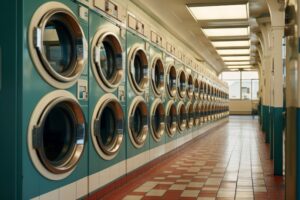

Running a professional laundry operation is very different from managing laundry at home. Hotels, hospitals, restaurants, salons, gyms, laundromats, and other commercial facilities handle large quantities of linen and garments every day. When laundry equipment is slow, inefficient, or poorly matched to the workload, it can affect turnaround times, labour costs, water consumption, and overall service quality.
Choosing the right commercial laundry machine is therefore not simply about selecting the biggest or most powerful model. The machine should match the type of laundry, daily capacity, available space, utility connections, operating schedule, and long-term maintenance requirements of the business.
For businesses in Kuwait, including facilities operating around Salmiya and Hawalli Governorate, these factors become especially important. Supershine Laundry, located at Building 14, Street 25, Block 3, Salmiya, Hawalli Governorate, Kuwait, can help businesses consider their laundry requirements more practically before investing in professional equipment.
What Makes a Commercial Laundry Machine Different?
A commercial laundry machine is designed for demanding and repeated use. Unlike domestic washing machines, professional equipment is generally built around higher workloads, faster processing, stronger construction, and operational efficiency.
The right machine can help a business process more laundry without creating unnecessary bottlenecks. However, capacity alone should not determine the purchase.
For example, a small hotel may need a different setup from a large industrial laundry facility. A restaurant may primarily deal with heavily soiled kitchen textiles, while a hotel may process towels, bedsheets, uniforms, and other linens. Hospitals and healthcare facilities can have additional requirements related to hygiene, wash programmes, and controlled handling.
The first step is always to understand what the machine will actually be used for.
Start With Your Daily Laundry Volume
Before selecting a commercial laundry machine, estimate the amount of laundry your facility generates on a normal working day.
Consider:
-
Average kilograms of laundry processed per day
-
Peak laundry volume
-
Number of operating hours
-
Number of wash cycles required
-
Types of fabrics being processed
-
Required turnaround time
Buying equipment that is too small may force staff to run continuous cycles throughout the day. That can increase labour requirements and put unnecessary pressure on the equipment.
On the other hand, buying a machine that is significantly larger than your actual workload may result in inefficient loads and unnecessary investment.
A useful approach is to plan for both normal and peak demand. Businesses in Salmiya, Hawalli Governorate, and other parts of Kuwait should consider seasonal fluctuations and changes in occupancy or customer demand when calculating capacity.
Consider the Type of Laundry You Handle
Not every commercial laundry machine is suitable for every application.
Hotels commonly process sheets, pillowcases, towels, bathrobes, and staff uniforms. Restaurants and catering businesses may need equipment capable of handling table linen, kitchen towels, and other heavily soiled textiles. Laundromats may require machines that can support frequent customer use throughout the day.
The fabric itself also matters. Different textiles can require different temperatures, cycle durations, extraction speeds, and chemical programmes.
A professional equipment supplier should therefore understand your laundry operation before recommending a machine. At Supershine Laundry, Building 14, Street 25, Block 3, Salmiya, Hawalli Governorate, Kuwait, businesses can discuss their operational requirements rather than choosing equipment based only on advertised capacity.
Why Water and Energy Efficiency Matter
Utility consumption can become a significant operating expense when laundry equipment is used several times every day.
A machine that uses excessive amounts of water may increase operating costs over its working life. Similarly, inefficient heating and unnecessarily long wash cycles can increase energy consumption.
When comparing a commercial laundry machine, look beyond the initial purchase price. Ask about water consumption, heating requirements, cycle duration, extraction performance, and expected operating efficiency.
A machine with a higher upfront price may make better commercial sense if its design helps reduce recurring operating costs.
This is particularly relevant for businesses in Kuwait, where professional laundry operations may run continuously and equipment can become a major part of monthly operating expenses.
Extraction Performance Can Affect Drying Time
Washing is only one part of the laundry process. What happens immediately after the wash cycle can have a noticeable effect on productivity.
A washer-extractor with effective moisture removal can reduce the amount of water remaining in textiles after washing. This can help shorten subsequent drying requirements, depending on the fabric, dryer, and selected programme.
For a busy commercial laundry, this can make the entire workflow more efficient.
Instead of evaluating washing equipment in isolation, businesses should think about the complete process:
Sorting → Washing → Extraction → Drying → Finishing → Folding
When one stage becomes a bottleneck, the capacity of the entire laundry operation can suffer.
Space and Installation Requirements Should Not Be Ignored
Commercial laundry equipment requires proper planning before installation.
Measure the available area and consider access routes for delivery and future servicing. Check electrical requirements, water connections, drainage, ventilation, and other installation conditions before purchasing.
A machine may have excellent specifications on paper but still be unsuitable if the facility cannot accommodate its installation requirements.
Businesses operating in Salmiya, Hawalli Governorate, Kuwait should also consider how the equipment will fit into the existing workflow. Staff should have enough room to load and unload machines safely and move laundry between different processing stages.
Good planning at the beginning can prevent expensive modifications later.
Maintenance Is Part of the Investment
One of the most overlooked factors when purchasing a commercial laundry machine is after-sales support.
Professional laundry equipment works hard. Regular maintenance can help identify worn components and operational issues before they become major failures. Delaying maintenance may result in unexpected downtime, disrupted laundry schedules, and emergency repair expenses.
When evaluating a supplier, ask:
-
Is technical support available locally?
-
Are replacement parts accessible?
-
Is preventive maintenance offered?
-
What does the service agreement cover?
-
How quickly can technical assistance be provided?
-
Is staff guidance available for correct machine operation?
For businesses in Kuwait, local support can be especially valuable because equipment downtime can quickly affect daily operations.
Look at Total Cost, Not Just Purchase Price
The cheapest machine is not necessarily the most economical choice.
A commercial laundry machine should be evaluated according to its total cost of ownership. This includes the purchase price, installation, utilities, maintenance, spare parts, labour requirements, and expected service life.
For example, a machine that costs less initially but consumes significantly more water and energy may become more expensive over several years.
A better purchasing decision considers the complete financial picture.
This is one reason businesses should discuss their expected workload with an experienced supplier before making a final selection.
Why Professional Guidance Matters
Laundry equipment is a long-term business investment. A supplier should not simply recommend a machine based on its maximum capacity. The recommendation should reflect the customer’s actual operation.
A professional discussion should cover laundry volume, fabric types, available space, utilities, workflow, budget, expected usage, and future expansion.
Supershine Laundry, serving customers from Building 14, Street 25, Block 3, Salmiya, Hawalli Governorate, Kuwait, can be considered by businesses looking for professional laundry equipment guidance in Kuwait.
The goal should be to build a laundry setup that works efficiently today while leaving enough flexibility for future business requirements.
Final Thoughts
Selecting the right commercial laundry machine requires more thought than comparing prices and drum capacities. The best choice depends on how much laundry your business processes, what materials you wash, how quickly you need them returned to service, and how much you want to spend on utilities and maintenance over time.
Businesses in Salmiya and across Hawalli Governorate can benefit from evaluating the complete laundry workflow before investing in equipment. Capacity, efficiency, extraction performance, installation requirements, maintenance support, and total operating cost should all be considered together.
For professional laundry equipment requirements in Kuwait, Supershine Laundry, Building 14, Street 25, Block 3, Salmiya, Hawalli Governorate, Kuwait, provides a local point of contact for businesses looking to make a more informed equipment decision.