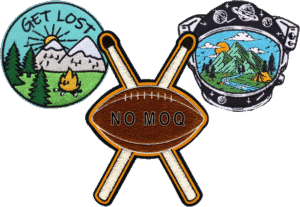

Los Angeles has one of the most active patch scenes in the country. From streetwear labels stitching logos onto hoodies to high schools ordering varsity emblems, the city’s mix of fashion, sports, and small-business culture keeps embroidery shops busy year-round. If you’re trying to figure out what kind of patch you need, what it should cost, and where to actually order one, here’s a practical breakdown.
What Makes a Patch “Custom”?
A custom patch starts as your artwork — a logo, mascot, initials, or design — and gets translated into stitched thread on a fabric backing. The process usually involves digitizing the design into a stitch file, choosing thread colors and a border style, and then running it through an embroidery machine. Because the design is built thread by thread rather than printed, custom patches hold their color and shape far longer than printed alternatives, which makes them a popular choice for uniforms, jackets, hats, and bags that see daily wear.
The Main Types of Patches You’ll Find in LA
Embroidered patches are the standard option and the most versatile. They work well for logos with moderate detail and can be produced in almost any shape or size, then attached with iron-on, sew-on, or Velcro backing.
Chenille patches have a raised, fuzzy texture that gives them a bold, retro look. They’re closely associated with varsity and athletic apparel — you’ll see them most often as custom letterman patches on school jackets, where the thick yarn stitching stands out against wool or leather sleeves.
PVC and rubber patches offer a molded, 3D look that suits tactical gear, outdoor brands, and modern streetwear.
Woven patches use thinner thread for finer detail, which makes them a good fit for text-heavy designs or small logos that would look blurry in standard embroidery.
Leather patches, genuine or faux, are popular for hats and bags where a more rugged, premium finish is desired.
What Custom Patches Typically Cost
Pricing depends on size, stitch count, number of colors, and order quantity, but general ranges in the LA market look like this:
- Standard embroidered patches: roughly $2–$6 each for common sizes and moderate detail
- Chenille patches: roughly $4–$10 each, given the extra material and construction time
- PVC/rubber and leather patches: pricing varies more widely based on mold complexity and material
Almost every manufacturer offers tiered bulk pricing — the more patches you order, the lower the per-unit cost, which matters if you’re outfitting a team, club, or staff.
Where to Buy Patches in Los Angeles
You have three main routes:
- Local and online patch manufacturers. Dedicated patch companies (including LA-based shops) handle everything from digitizing your art to producing and shipping finished patches, often with a proof step before full production.
- Marketplaces like Etsy and Amazon. These connect you with independent makers and larger suppliers, useful if you want quick turnaround on smaller orders or want to compare styles from multiple vendors.
- Local embroidery and craft shops. Good for small, one-off orders or if you want to see and feel material samples in person before committing.
If you’re just testing a design before committing to a full production run, look for a supplier that offers a patch maker free mockup or quote tool — most reputable shops will generate a no-cost digital proof of your artwork so you can see stitch placement, colors, and sizing before paying for anything.
How to Order One
- Finalize or submit your artwork (a designer can clean up rough logos if needed).
- Pick your patch type — embroidered, chenille, woven, PVC, or leather.
- Choose size, shape, and border style.
- Select a backing method: iron-on, sew-on, or Velcro.
- Approve a digital proof before production starts.
- Wait for production — typically 7–14 business days, with rush options available from most shops.
Bottom Line
Whether you’re outfitting a sports team, branding a small business, or adding a personal touch to a jacket, Los Angeles has no shortage of manufacturers, marketplaces, and local shops capable of producing high-quality custom patches. Nail down your design, pick the right patch type for your use case, and get a proof before you commit to a full order — that one step avoids the most common regrets in patch ordering.