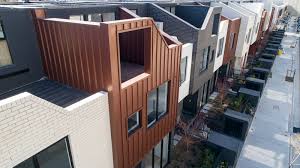

The roof is one of the most important elements of any building. It protects the structure from the elements while also contributing significantly to its architectural appearance. For modern residential and commercial projects, homeowners, architects, and builders are increasingly looking beyond traditional roofing profiles for solutions that combine clean aesthetics with practical installation.
Nailstrip roofing is one option gaining attention in contemporary Australian architecture.
With its defined raised seams, concealed fixings, broad flat pans, and flexible installation options, Nailstrip can create a clean architectural appearance while providing a relatively straightforward installation process.
What Is Nailstrip Roofing?
Nailstrip is a concealed-fix metal roofing and cladding system designed to provide the appearance of a raised-seam architectural roof without requiring the same installation process as some traditional standing seam systems.
The panels incorporate a fixing strip that allows them to be secured to the supporting structure. The adjoining panel then covers the fixing area, creating a clean exterior with minimal visible hardware.
Roofing Group describes its Nailstrip profile as similar in appearance to Standing Seam and Snaplock while using a simplified installation method that does not require specialist seam-closing equipment.
This makes Nailstrip an attractive option for projects where both appearance and installation efficiency are important.
A Clean Architectural Appearance
One of the primary reasons architects choose Nailstrip is its appearance.
The system creates long, continuous lines across a roof or wall. The raised ribs produce shadows and visual definition while the concealed fixing system keeps the surface looking uncluttered.
This aesthetic can work particularly well with:
-
Contemporary homes
-
Minimalist architecture
-
Modern extensions
-
Commercial buildings
-
Architectural facades
-
Feature walls
-
Soffits
-
Renovation projects
The result is a roofing or cladding surface that can complement both modern and more traditional architectural styles.
Concealed Fixings Create a Cleaner Finish
Traditional exposed-fastener roofing systems can leave rows of screws visible across the surface.
Nailstrip takes a different approach.
The fasteners are positioned within the system and covered by the adjoining panel. This produces a cleaner external appearance while maintaining a secure connection to the substrate.
Concealed fixing is particularly valuable for architects and designers who want uninterrupted visual lines across the building envelope.
Nailstrip Roofing Is Designed for Efficient Installation
Another important advantage is the installation process.
Roofing Group states that Nailstrip panels can snap together and do not require clips or specialist seam-closing tools.
This can make the system appealing for builders and installers who want an architectural metal roofing profile without introducing additional seaming equipment into the installation process.
However, the installation still needs to follow the relevant project specifications and manufacturer requirements. The supporting structure, substrate, underlay, fixings, roof pitch, and detailing all need to be considered by the project team.
Different Materials for Different Architectural Styles
Nailstrip is not limited to a single metal finish.
Roofing Group offers the system in several materials, including:
-
COLORBOND® steel
-
Corten steel
-
Aluminium
-
Copper
-
Stainless steel
Each material can create a different architectural character.
COLORBOND® Steel
COLORBOND® provides a broad range of colours and finishes, making it suitable for contemporary residential and commercial projects.
Corten Steel
Corten, also known as weathering steel, develops a distinctive rust-like patina as it weathers. It can create a strong architectural statement and work particularly well with natural materials such as timber, stone, and concrete.
Aluminium
Aluminium offers a lightweight metal option and can be used where designers want a contemporary metallic appearance.
Copper
Copper can provide a distinctive premium finish and develops its own character as it ages.
Stainless Steel
Stainless steel provides a modern metallic appearance and can be considered for projects where durability and visual impact are priorities.
25 mm and 38 mm Nailstrip Profiles
Roofing Group offers Nailstrip in 25 mm and 38 mm raised seam profiles.
The choice between profiles can influence the visual character of the finished roof or wall.
A lower profile can provide a more subtle appearance, while a higher seam can create stronger lines and shadows across the building.
The appropriate profile should be selected according to the design, roof geometry, project requirements, and technical specifications.
Nailstrip for More Than Roofing
Although the name suggests roofing, Nailstrip can be used for more than roof surfaces.
The system is suitable for:
-
Roofing
-
Wall cladding
-
Facades
-
Soffits
-
Feature architectural surfaces
This versatility allows architects to continue the same material language from the roof down onto walls and other building elements.
For example, a contemporary home could use Nailstrip across the roof and then continue the profile vertically across a feature wall.
Nailstrip Can Support Creative Panel Layouts
Architectural metal roofing doesn’t have to be limited to one orientation.
Nailstrip panels can be installed horizontally, vertically, or diagonally depending on the application and design requirements.
Changing the direction of the panels can alter the visual perception of a building.
Vertical panels can emphasize height, while horizontal installation can make a facade appear wider. Diagonal layouts can introduce a more distinctive architectural effect.
What About Low-Pitched Roofs?
Roof pitch is an important technical consideration when selecting any metal roofing system.
Roofing Group’s technical information states that its 38 mm Nailstrip seam can accommodate a roof pitch down to 1.5 degrees, while its technical specifications also identify minimum pitch requirements depending on the application and system configuration.
Because minimum pitch requirements can depend on the specific profile, material, substrate, detailing, and installation method, project-specific technical documentation should always be reviewed before specifying the system.
Nailstrip vs Traditional Metal Roofing
Nailstrip can provide several advantages compared with conventional exposed-fastener roofing.
Conventional Exposed-Fastener Roofing
-
Visible screws
-
More utilitarian appearance
-
Traditional installation approach
-
Less emphasis on architectural detailing
Nailstrip Roofing
-
Concealed fixings
-
Defined raised seams
-
Clean architectural appearance
-
Multiple material options
-
Roofing and wall-cladding applications
-
No specialist seam-closing tools required for the Roofing Group system
This makes Nailstrip particularly attractive for projects where aesthetics are an important consideration.
Is Nailstrip Suitable for Your Project?
Before choosing a roofing system, consider:
-
Roof pitch
-
Building location
-
Exposure conditions
-
Material selection
-
Substrate
-
Drainage requirements
-
Thermal movement
-
Ventilation
-
Flashing details
-
Applicable Australian construction requirements
The right roofing system is ultimately determined by the complete building design rather than appearance alone.
Final Thoughts
Nailstrip roofing provides architects and builders with a combination of clean aesthetics, concealed fixing, material flexibility, and relatively straightforward installation.
Its raised seams create the architectural appearance associated with premium metal roofing, while its concealed fixing method helps maintain a clean and uninterrupted surface.
For Australian residential, commercial, renovation, and architectural projects, Nailstrip can be a practical option when a modern metal roof or facade needs to deliver both visual impact and functional performance.
The key is to select the correct material, profile, substrate, pitch, and installation details for the specific project. With proper design and installation, Nailstrip can become an important part of a building’s overall architectural identity.