
Most software licensing disputes trace back to one skipped step: nobody actually read the termination clause before signing.
I’ve watched procurement teams spend three weeks negotiating price and thirty seconds skimming the license grant. That’s backwards. Commercial terms rarely cause lawsuits. Scope-of-use language does.
A software licensing agreement isn’t a simple purchase contract. It’s a bundle of intellectual property rights, usage restrictions, warranty disclaimers, and liability caps stacked on top of each other. Miss one clause and you either overpay for rights you don’t need or underbuy protection you’ll desperately want during an audit.
Here’s the checklist worth running before your team touches a vendor’s paper, built around the questions that actually predict disputes.
- Confirm the license grant matches your real use case.
Is it perpetual or subscription-based? Named-user or concurrent-user? Site-wide or single-location? Vendors write grants narrowly on purpose. If your team scales past the defined scope, you’re out of compliance and liable for retroactive fees.
- Check the audit rights and their scope.
Most enterprise software agreements let the vendor audit your usage. Reasonable clauses cap frequency at once a year, require 30 days’ notice, and limit cost-shifting unless you’re materially over-licensed. Unreasonable ones grant unlimited access with no notice at all.
- Read the limitation of liability carefully.
Standard vendor paper caps liability at fees paid in the prior 12 months, which sounds fine until a data breach or IP infringement claim costs far more than your annual subscription. Carve-outs for gross negligence, confidentiality breaches, and IP indemnification matter here.
- Verify indemnification covers third-party IP claims.
If the vendor’s code infringes a patent, will they defend you? Many agreements only indemnify against claims tied to the vendor’s own negligence, not general infringement. This clause protects you when someone else’s lawsuit lands on your desk.
- Look closely at termination and data return provisions.
Can you export your data in a usable format if you switch vendors? Is there a transition window? Some agreements let vendors delete your data 30 days after termination with no export period, turning a contract dispute into an operational crisis.
- Scrutinize auto-renewal and price escalation language.
Auto-renewal with a 90-day opt-out window buried in section 14 is common. So is a “may increase fees at renewal” clause with no cap. Both deserve redlines, not silent acceptance.
- Assess open-source and third-party component disclosures.
If the vendor’s product bundles open-source libraries, certain licenses carry obligations that flow through to you. Ask for a software bill of materials before you sign anything.
- Check governing law and dispute resolution.
Arbitration clauses, venue selection, and choice of law all affect your leverage if things go wrong. A vendor forcing distant, inconvenient arbitration on a small buyer is worth pushing back on.
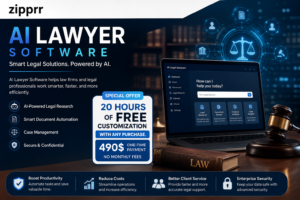
This is where review gets slow, because most of these clauses live in dense, cross-referenced sections a first read easily misses. That’s exactly the gap an AI lawyer checklist for reviewing software licensing agreements is built to close. Rather than manually cross-checking each clause against a mental list, the tool flags scope mismatches, missing indemnification language, and one-sided termination terms on the first pass.
I’ve run this kind of structured review on contracts past 40 pages, and the value isn’t replacing legal judgment. It’s surfacing every clause that needs judgment applied, so nothing slips through because reviewers were tired by page 30.
Teams that build a repeatable AI lawyer checklist for reviewing software licensing agreements into their process also get a quiet second benefit: consistency. Two employees reviewing the same vendor contract used to produce two different risk assessments. A structured, AI-assisted pass produces the same flagged issues regardless of who runs it, which matters when procurement, legal, and IT are all touching the same document at different stages.
If you negotiate SaaS agreements regularly, fold this checklist into your intake process instead of treating each contract as a one-off. Require sign-off against each item, and let an AI lawyer tool built for software license review handle the first pass before a human lawyer spends billable hours on it.
The goal isn’t to eliminate legal review. It’s making sure the review catches what matters every time, regardless of how busy the team is that week. A software license AI lawyer review won’t replace judgment about business risk, but it does guarantee that judgment gets applied to the right clauses first.
Next time paper lands from a new vendor, skip the price line and start with the license grant. Work through indemnification and termination, and let a checklist-driven AI lawyer review catch what a tired Friday-afternoon read would miss. Then negotiate from a position where you know exactly what you’re signing, using an AI contract review checklist for licensing deals as your first line of defense, not your last resort.
FAQ
Q1: What is the most commonly overlooked clause in software licensing agreements?
The scope of the license grant is overlooked most often. Buyers focus on price and skim past named-user limits, site restrictions, and usage caps, then get hit with retroactive fees once actual usage exceeds what was licensed.
Q2: How is a software license agreement different from a standard purchase agreement?
A license agreement grants usage rights rather than ownership. It layers in intellectual property terms, audit rights, and usage restrictions that a simple purchase contract for physical goods never has to address.
Q3: What should a limitation of liability clause include for software contracts?
It should cap general liability at a reasonable multiple of fees paid, while carving out exceptions for gross negligence, confidentiality breaches, and IP indemnification, since those risks can far exceed the contract’s annual value.
Q4: Why do audit rights clauses matter so much in software licensing?
Audit clauses let vendors verify your usage against the license terms and can trigger significant back-payments if you’re over-licensed. Unlimited audit access with no notice period creates ongoing compliance risk for the buyer.
Q5: Can an AI lawyer tool actually catch risky contract clauses?
Yes, structured AI review tools are trained to flag missing indemnification language, one-sided termination terms, and scope mismatches consistently, which reduces the chance that a rushed manual read misses something important.
Q6: What data rights should you negotiate before signing a software license?
Negotiate a defined export window after termination, a specified data format, and confirmation that the vendor won’t delete your data immediately upon contract end, so switching providers doesn’t become an operational emergency.
Q7: How often should software licensing agreements be reviewed after signing?
Review renewal terms at least 90 days before the auto-renewal date, and revisit the full agreement whenever your usage scale, team size, or deployment scope changes significantly from what was originally licensed.
Q8: Does open-source software inside a vendor’s product create legal risk for buyers?
It can, particularly with copyleft licenses that carry obligations affecting derivative works. Requesting a software bill of materials before signing helps identify these dependencies early.
CTA
If your team is still reviewing software licenses clause by clause with a highlighter and a prayer, it’s time to change that. Zipprr’s AI Lawyer runs this exact checklist against your vendor paper in minutes, flagging scope mismatches, weak indemnification, and buried auto-renewal terms before you sign anything. Upload your next SaaS agreement and see what a structured first pass actually catches. Your legal team gets to spend their time on judgment calls, not clause-hunting.