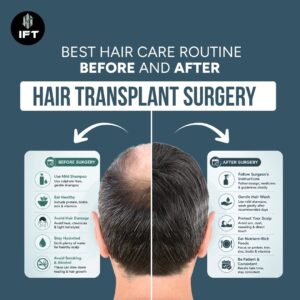

A hair transplant is more than a cosmetic procedure—it’s an investment in your confidence. However, the success of your treatment depends not only on the surgeon’s expertise but also on how well you care for your scalp before and after hair transplant surgery. Clinical guidelines and international expert consensus consistently emphasize that proper preparation, individualized aftercare, and long-term follow-up significantly improve healing and graft survival.
Whether you’re planning an FUE hair transplant or FUT hair transplant, this guide explains the best hair care routine for optimal results.
Before Hair Transplant Surgery: Prepare Your Scalp for Success
Healthy hair follicles need a healthy scalp. Proper preparation can reduce complications and support better graft survival.
1. Get a Professional Hair and Scalp Evaluation
Not everyone experiencing hair loss is an ideal candidate for surgery. Your specialist should assess:
- Hair loss pattern
- Donor area density
- Scalp condition
- Medical history
- Current medications
Experts also recommend optimizing medical treatment for hair loss before considering transplantation whenever appropriate.
2. Follow Your Surgeon’s Medication Instructions
Your surgeon may advise you to:
- Pause medications that increase bleeding risk
- Stop minoxidil about one week before surgery (if instructed)
- Continue or adjust other prescribed medications based on your medical history
Never stop prescription medicines without medical advice.
3. Avoid Smoking and Alcohol
Smoking reduces blood circulation to the scalp, while alcohol may increase bleeding during surgery. Many specialists recommend avoiding both before and after the procedure to improve healing.
4. Nourish Your Hair from Within
Support follicle health with a balanced diet rich in:
- Protein
- Iron
- Zinc
- Vitamin D
- Omega-3 fatty acids
- Fresh fruits and vegetables
Hydration also plays an important role in tissue recovery.
Hair Care Routine After Hair Transplant Surgery
The first few weeks are critical because newly implanted grafts are delicate.
First 72 Hours: Protect Every Graft
During this period:
- Avoid touching or scratching the transplanted area.
- Sleep with your head elevated.
- Follow your surgeon’s washing instructions carefully.
- Use only prescribed medications and saline spray if recommended.
Mild redness, swelling, and tiny scabs are normal parts of healing.
Wash Your Hair Gently
Never scrub the scalp immediately after surgery.
Instead:
- Use only surgeon-approved shampoo.
- Wash with lukewarm water.
- Pat dry gently with a soft towel.
- Avoid high-pressure showers.
Most patients gradually return to their normal hair-care routine as healing progresses, following their surgeon’s advice.
Avoid Heat and Sun Exposure
For several weeks after surgery:
- Avoid direct sunlight.
- Skip saunas and steam rooms.
- Do not use hair dryers on high heat.
- Avoid swimming until your surgeon approves.
These precautions help protect healing grafts and reduce irritation.
Skip Heavy Exercise Initially
Intense workouts increase sweating and scalp blood flow, which may interfere with early healing.
Most surgeons recommend:
- Light walking after several days
- Avoiding strenuous exercise until medically cleared
Always follow your clinic’s recovery timeline.
Expect Temporary Hair Shedding
Many patients experience shock loss a few weeks after surgery.
This temporary shedding is normal.
Typically:
- New growth begins around 3–4 months.
- Noticeable improvement appears between 6–9 months.
- Final results often develop over 12–18 months.
Long-Term Hair Care Tips
Even after successful transplantation, maintaining existing hair remains important.
Your hair specialist may recommend:
- Medical therapy for ongoing hair loss
- PRP therapy (when appropriate)
- Low-Level Laser Therapy (LLLT)
- Regular scalp assessments
- A nutrient-rich diet
- Good sleep and stress management
Some adjunctive treatments show promise, although further research is still ongoing.
Common Mistakes to Avoid
Avoid these habits during recovery:
- Scratching the scalp
- Wearing tight hats too early
- Smoking during recovery
- Drinking excessive alcohol
- Skipping follow-up appointments
- Self-medicating without professional advice
- Expecting immediate results
Patience is essential for achieving the best outcome.
A successful hair transplant recovery starts well before surgery and continues long after the procedure. Preparing your scalp, following your surgeon’s instructions, maintaining proper nutrition and protecting newly transplanted follicles all contribute to long-lasting, natural-looking results.
At IFT Hair Science, our specialists provide personalized guidance before, during, and after hair transplant surgery, ensuring every patient receives evidence-based care for healthier hair and better confidence.