

Dental implants have become one of the most reliable ways to replace missing teeth, yet most people walk into their first consultation with very little idea of what actually happens. The procedure sounds intimidating, the timeline can feel vague, and there is always that nagging worry about pain or recovery. If you are someone who has already decided that implants are the right choice and you simply want to understand what lies ahead, this guide is written for you. We will walk through each stage of the process, give you realistic expectations about how long things take, and share practical tips on how to prepare yourself – physically and mentally – before the first appointment.
Why Dental Implants Work the Way They Do
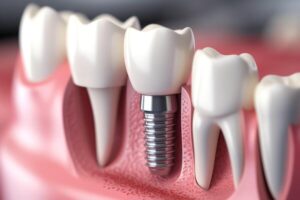
Before you can appreciate the process, it helps to understand the basic science. A dental implant is a small titanium post that is placed into the jawbone to act as an artificial tooth root. Titanium is used because the bone actually fuses with it – a process called osseointegration. Once that fusion is complete, the implant becomes a stable anchor for a crown, bridge, or denture placed on top.
This is fundamentally different from dentures, which rest on the gum, or bridges, which rely on neighbouring teeth for support. Implants preserve bone, maintain the shape of your face, and feel remarkably close to natural teeth when everything is done correctly.
The Consultation and Assessment Stage
What Happens at the First Appointment?
Your dentist will take X-rays and, in many cases, a 3D CBCT scan of your jaw. This helps assess bone density, the position of nerves, and whether there is enough bone to support an implant. Your medical history will be reviewed carefully – conditions like uncontrolled diabetes or certain medications can affect healing and must be accounted for before any plan is drawn up.
Do You Need Bone Grafting?
This is one of the things many patients do not anticipate. If you have had a missing tooth for a long time, the jawbone underneath tends to shrink because it no longer receives stimulation from chewing. In such cases, a bone graft – using bone from your own body, a donor source, or a synthetic material – may be needed before the implant can be placed. This adds time to the overall process, sometimes several months, but it is necessary for long-term success.
The Implant Placement Procedure
The actual surgery is typically performed under local anaesthesia, meaning the area is completely numb though you remain awake. Some clinics also offer sedation for patients who feel anxious. The dentist makes a small incision in the gum, drills a precise channel into the bone, and places the titanium post. The gum is then stitched closed over or around the implant.
The procedure for a single implant usually takes between 30 minutes and one hour. Multiple implants naturally take longer. Most patients are surprised by how little they feel during the surgery itself – the discomfort typically arrives afterwards, once the anaesthesia wears off, and is generally manageable with standard over-the-counter pain relief for two to three days.
If you are considering Dental implant surgery in Nallagandla, it is worth discussing sedation options during your consultation so you feel fully comfortable on the day.
The Healing Period – Osseointegration
How Long Does It Really Take?
This is where patience becomes essential. After placement, the implant needs time to fuse with the bone. For most patients, this takes between three and six months. The lower jaw tends to heal faster than the upper jaw. If bone grafting was done, add another three to four months to that estimate before implant placement even begins.
What Can You Eat and Do During This Time?
For the first one to two weeks, soft foods are recommended – think dal, curd rice, soups, and mashed vegetables. Avoid hard, crunchy, or sticky foods near the surgical site. Smoking is one of the biggest risk factors for implant failure, so this period is a strong reason to stop entirely. Alcohol should also be avoided in the early weeks.
Light daily activities can resume within a day or two. Intense exercise should be avoided for at least a week as it can increase swelling and bleeding at the site.
Follow-Up Appointments During Healing
You will visit your dentist periodically during the healing phase. These check-ups allow the dentist to monitor integration, watch for any signs of infection, and confirm the implant is stable before moving to the next stage.
Placing the Crown – The Final Restoration
Once osseointegration is confirmed, a small connector piece called an abutment is attached to the implant. An impression or digital scan of your teeth is taken and sent to a dental laboratory, where your custom crown is fabricated. The crown is matched to the colour and shape of your natural teeth. When it is ready – usually within one to two weeks – it is fixed onto the abutment.
At this stage, your implant is functionally complete. You can eat normally, smile confidently, and clean the crown just as you would a natural tooth – brushing twice daily, flossing carefully around it, and attending regular dental cleanings.
How to Prepare Before You Begin
A few practical steps can meaningfully improve your experience and outcomes. First, disclose your complete medical history and every medication you are on, including supplements. Second, if you smoke, plan to stop well before your surgery date. Third, arrange for someone to accompany you on the day of surgery, particularly if sedation is involved. Fourth, stock your kitchen in advance with soft food options so you are not scrambling after the procedure.
Visiting a reputable Dental implant clinic in Nallagandla for your initial consultation gives you a structured treatment plan upfront so there are no surprises along the way.
Conclusion
Dental implants are a significant investment of both time and money, but for the right candidate, the results can genuinely change quality of life. Understanding the stages – assessment, placement, healing, and restoration – removes a great deal of the anxiety that comes from the unknown. The timeline is longer than many people expect, but each phase serves a clear purpose. If you are ready to take the next step, speaking with an experienced implant dentist is the most sensible starting point.
smylexl best dental chain in india offers detailed consultations that help patients understand their specific situation before committing to any treatment plan.
Frequently Asked Questions
Are dental implants painful?
The surgery itself is performed under local anaesthesia, so you should feel no pain during the procedure. Post-operative soreness is common for two to three days and is usually managed well with standard pain relief. Most patients find the discomfort much milder than they anticipated.
How long does the entire implant process take from start to finish?
For a straightforward case without bone grafting, the process typically takes three to six months. If bone grafting is required, the total timeline can extend to nine to twelve months or more. Your dentist will give you a more precise estimate after your initial assessment.
Can anyone get a dental implant?
Most healthy adults are suitable candidates. However, uncontrolled diabetes, active gum disease, significant bone loss, or certain medications can affect eligibility. A thorough evaluation is necessary to determine whether implants are appropriate for your specific health situation.
Do implants require special maintenance?
No special tools are required. You brush and floss around an implant just as you would a natural tooth. Regular dental check-ups and professional cleanings are important to monitor the surrounding gum and bone and to keep the implant healthy for decades.
What is the success rate of dental implants?
When placed in suitable candidates by an experienced dentist and cared for properly, dental implants have a success rate of around 95 percent over ten years. Factors such as smoking, poor oral hygiene, and unmanaged health conditions can reduce that figure considerably.
Source: http://tumblr.com/