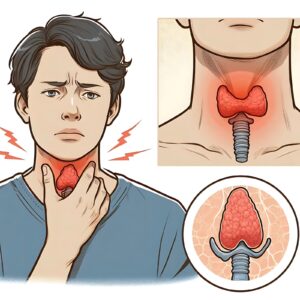

A swelling in the front of your neck can be worrying, especially if you are not sure what is causing it. In many cases, thyroid swelling is not a medical emergency, but it should never be ignored. The thyroid gland plays an important role in controlling your metabolism, energy levels, heart rate, and many other body functions. When the thyroid becomes enlarged, it may be a sign of an underlying condition that needs medical attention.
Some thyroid swellings remain small and harmless for years, while others can continue to grow and cause symptoms or complications. If you notice a lump or swelling in your neck, seeking thyroid swelling treatment in Chennai at the right time can help identify the cause and prevent future health problems.
What Is Thyroid Swelling?
Thyroid swelling refers to an enlargement of the thyroid gland, which is located at the front of the neck. The swelling may involve the entire gland or only a part of it.
Common causes include:
- Goiter
- Thyroid nodules
- Thyroid cysts
- Thyroiditis (inflammation)
- Hyperthyroidism
- Hypothyroidism
- Thyroid cancer
Only a proper medical evaluation can determine the exact cause.
Is Every Thyroid Swelling Serious?
No. Many thyroid swellings are benign (non-cancerous) and may not require immediate treatment.
However, even a harmless swelling should be examined because it can:
- Increase in size over time
- Affect thyroid hormone production
- Cause pressure on nearby structures
- Occasionally hide a more serious condition
Early diagnosis helps doctors decide whether treatment or regular monitoring is the best approach.
What Can Happen If Thyroid Swelling Is Left Untreated?
The effects depend on the underlying cause, but untreated thyroid swelling can sometimes lead to several complications.
The Swelling May Continue to Grow
One of the most common problems is gradual enlargement of the thyroid gland.
As it grows larger, you may notice:
- A visible lump in the neck
- Tightness around the throat
- Cosmetic concerns
- Increasing discomfort
Large swellings are generally more difficult to manage than smaller ones.
Difficulty Swallowing
An enlarged thyroid may press against the esophagus (food pipe).
This pressure can make swallowing uncomfortable, especially with solid foods.
Some people describe the sensation as though food gets stuck in their throat.
Difficulty Breathing
If the swelling becomes large enough, it can compress the windpipe (trachea).
This may cause:
- Shortness of breath
- Noisy breathing
- Difficulty breathing when lying flat
Although uncommon, this requires prompt medical attention.
Voice Changes
The thyroid gland lies close to the nerves that control the vocal cords.
A large thyroid swelling may lead to:
- Hoarseness
- Voice weakness
- Changes in speaking volume
Persistent voice changes should always be evaluated.
Hormonal Imbalances
Some thyroid swellings are associated with hormone disorders.
If left untreated, they may lead to:
Hypothyroidism
Symptoms include:
- Fatigue
- Weight gain
- Hair thinning
- Dry skin
- Feeling cold
Hyperthyroidism
Symptoms include:
- Weight loss
- Rapid heartbeat
- Anxiety
- Tremors
- Excessive sweating
Treating the underlying thyroid condition helps restore hormone balance.
Increased Risk of Complications
Ignoring thyroid swelling may increase the risk of complications depending on the underlying cause.
For example:
- Untreated hyperthyroidism can affect the heart.
- Untreated hypothyroidism can slow many body functions.
- Enlarging nodules may become more difficult to remove.
- Certain thyroid cancers may continue to grow if not diagnosed early.
Fortunately, many thyroid conditions are highly treatable when detected promptly.
Could Thyroid Swelling Be Cancer?
Most thyroid swellings are not cancerous.
However, some warning signs require immediate medical evaluation.
These include:
- A rapidly growing lump
- Persistent hoarseness
- Difficulty swallowing
- Difficulty breathing
- Swollen lymph nodes
- Family history of thyroid cancer
Doctors use ultrasound and biopsy to determine whether a thyroid swelling is benign or cancerous.
How Is Thyroid Swelling Diagnosed?
Your doctor will first examine your neck and discuss your symptoms.
Depending on the findings, they may recommend:
- Thyroid function blood tests
- Thyroid ultrasound
- Fine needle aspiration (FNA) biopsy
- CT scan or MRI in selected cases
- Thyroid antibody tests
These investigations help determine the exact cause and guide treatment.
How Is Thyroid Swelling Treated?
Treatment depends entirely on the cause.
Options may include:
Observation
Small benign thyroid nodules that are not causing symptoms may only require regular monitoring.
Medication
Hormone disorders can often be managed with medicines that restore normal thyroid function.
Surgery
Large goiters, suspicious nodules, thyroid cancer, or swellings causing breathing or swallowing problems may require surgery.
Radioactive Iodine Therapy
Some patients with hyperthyroidism or certain thyroid cancers may benefit from radioactive iodine treatment.
Treatment is always individualized based on the patient’s condition.
When Should You See a Doctor?
You should seek medical evaluation if you notice:
- A lump in the neck
- Persistent neck swelling
- Difficulty swallowing
- Difficulty breathing
- Voice changes
- Rapid growth of the swelling
- Unexplained weight changes
- Ongoing fatigue
Early diagnosis usually leads to simpler and more effective treatment.
If the swelling is related to a thyroid disorder, the best thyroid doctor in Chennai can recommend the most appropriate treatment based on the underlying cause and your overall health.
Can Thyroid Swelling Be Prevented?
Not every thyroid condition can be prevented because some are caused by autoimmune diseases or genetics.
However, you can support thyroid health by:
- Attending regular health check-ups
- Seeking early evaluation for neck swelling
- Taking thyroid medications as prescribed
- Following up on thyroid nodules
- Eating a balanced diet
- Avoiding unnecessary delays in treatment
Prompt medical attention helps reduce the risk of future complications.
Final Thoughts
Thyroid swelling should never be ignored, even if it is painless. While many thyroid enlargements are harmless, some can continue to grow, affect hormone production, cause difficulty swallowing or breathing, or, in rare cases, be associated with thyroid cancer. The longer an underlying thyroid condition remains untreated, the greater the chance of developing complications.
The good news is that most causes of thyroid swelling can be diagnosed accurately with modern tests and managed effectively with medication, monitoring, or surgery when needed. Paying attention to changes in your neck and seeking medical advice early can protect your thyroid health and improve your overall quality of life.