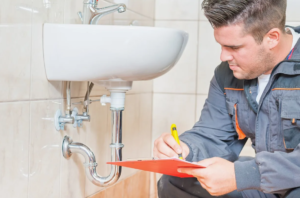

Buying a home in Florida comes with a long checklist, and the plumbing tends to get a quick glance at best. That’s a mistake. The pipes, drains, and water heater are some of the priciest systems to fix, and problems love to hide where a casual walk-through won’t find them. A proper home plumbing inspection before you sign catches the trouble while it’s still the seller’s problem and not yours. Here’s what a good one should turn up.
Why a Standard Home Inspection Isn’t Enough
A general home inspector looks at everything, which means they don’t go deep on any one system. They’ll run a faucet, flush a toilet, and note anything obvious. What they won’t do is run a camera down the sewer line, test the water pressure properly, or pull apart a suspicious water heater.
In Florida, that gap matters more than in most places. Older homes carry decades-old pipes, slab foundations hide leaks underground, and the hard water wears systems down faster. A dedicated plumbing inspection fills in what the general one skips, and on an older property it’s worth every penny.
The Big-Ticket Items to Check
These are the findings that move the price of a home or kill a deal. You want them on the table before closing.
The Sewer Line
This is the one people forget and regret. The sewer line runs from the house out to the street or septic, and replacing it is one of the most expensive jobs in plumbing. Tree roots, cracks, and collapses all hide underground where nothing shows on the surface. A camera inspection sends a scope down the line and shows the actual condition. On any home more than a few decades old, this check alone is worth the cost of the inspection.
The Water Heater
The inspector should check the age, the condition, and any signs of corrosion or leaking. A unit near the end of its life isn’t a dealbreaker, but it’s a number you can factor into your offer. Rust at the base, water in the pan, or an age past ten years all say a replacement is coming soon.
The Pipes
What’s the home made of. Old galvanized steel rusts from the inside and chokes your water pressure. Polybutylene, used in some homes from past decades, is known to fail and can be hard to insure. Copper and PEX are what you want to see. Knowing the pipe material tells you what kind of repiping bill might be in your future.
The Hidden Problems a Good Inspection Surfaces
Beyond the big items, a thorough check catches the quieter issues that add up.
Slab Leaks
Florida homes built on concrete slabs can develop leaks in the pipes running underneath. These are sneaky, showing up as a warm spot on the floor, an unexplained jump in the water bill, or the sound of running water when everything is off. Catching one before you buy saves you from inheriting a repair that means breaking into the slab.
Water Pressure Issues
The inspector should put a gauge on the system and check the pressure. Too low points to clogs, corrosion, or a failing regulator. Too high stresses every fixture in the house. Either way, it’s a finding you want before you own the place.
Drainage & Venting
Slow drains, gurgling, and sewer odor all hint at vent or line problems. A good inspector runs the fixtures and listens, then flags anything that drains poorly or sounds off.
Signs of Past Water Damage
Stains, patched ceilings, and fresh paint in odd spots can mean a leak that was covered up rather than fixed. An experienced eye knows where to look and what questions to ask the seller.
How to Use the Findings
A plumbing inspection isn’t just about walking away from a bad house. More often, it’s a negotiating tool. If the report flags a sewer line near failure or a water heater on its last legs, you can ask the seller to fix it, drop the price, or credit you at closing. A few hundred dollars on an inspection can save you thousands at the table.
It also gives you a roadmap once you move in. You’ll know which jobs are urgent, which can wait, and roughly what they’ll cost, so there are no nasty surprises in your first year.
Bringing in the Right People
A general inspector is a fine start, but for the plumbing specifics, a licensed plumber gives you a sharper read. They have the camera for the sewer line, the gauge for the pressure, and the experience to know which findings are routine and which are real money.
Companies that have worked the area for years know what local homes tend to hide. A to Z Statewide Plumbing has covered South Florida since 1981 and handles inspections along with the repairs, so the same team that finds the issue can tell you what fixing it actually involves. Having that expertise before you buy turns a guess into a plan.
The Bottom Line
A home plumbing inspection is one of the cheapest forms of insurance you’ll buy in the whole purchase. It catches the expensive stuff while you still have leverage, and it hands you a clear picture of what you’re taking on. Before you sign on a Florida home, get the pipes looked at by someone who knows them. Future you will be glad you did.