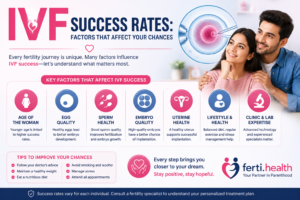

For couples and individuals considering In Vitro Fertilization (IVF), one of the most common questions is, “What are my chances of success?” While IVF has helped millions of people achieve parenthood, success rates can vary based on several factors. Among these, age is one of the most significant, but it is far from the only consideration.
Understanding the factors that influence IVF success can help you make informed decisions, set realistic expectations, and work with your fertility specialist to improve your chances of achieving a healthy pregnancy.
Why Does Age Affect IVF Success?
Female fertility naturally declines with age. Women are born with a finite number of eggs, and both the quantity and quality of these eggs decrease over time. Younger eggs are generally healthier and more likely to develop into viable embryos.
As women grow older, the chances of chromosomal abnormalities in eggs increase, making fertilization, implantation, and pregnancy more challenging. This is why IVF success rates tend to be higher in younger women and gradually decline with age.
However, age is only one part of the fertility equation. Many people in their late 30s and 40s achieve successful pregnancies with the right treatment plan and medical support.
Key Factors That Affect IVF Success
1. Egg Quality
Healthy eggs are essential for successful fertilization and embryo development. Egg quality generally has a greater impact on IVF success than egg quantity.
Women with good ovarian reserve and healthy eggs typically experience better treatment outcomes.
2. Embryo Quality
Not every fertilized egg develops into a healthy embryo. High-quality embryos have a greater chance of implanting successfully in the uterus.
Modern fertility clinics use advanced laboratory techniques to monitor embryo development and select the strongest embryos for transfer.
3. Sperm Health
Male fertility plays an equally important role in IVF success.
Important sperm factors include:
-
Sperm count
-
Motility
-
Morphology
-
DNA integrity
Even when IVF is used, poor sperm quality can reduce fertilization rates and embryo quality.
4. Uterine Health
A healthy uterus provides the ideal environment for embryo implantation.
Conditions that may affect implantation include:
-
Fibroids
-
Polyps
-
Endometriosis
-
Adenomyosis
-
Thin uterine lining
Treating these conditions before IVF can improve pregnancy outcomes.
5. Lifestyle Choices
Daily habits have a direct impact on reproductive health.
Healthy lifestyle practices include:
-
Maintaining a healthy body weight
-
Eating a balanced diet
-
Exercising regularly
-
Avoiding smoking
-
Limiting alcohol consumption
-
Getting adequate sleep
-
Managing stress
These habits may improve overall fertility and support IVF treatment.
6. Fertility Diagnosis
The underlying cause of infertility also influences success rates.
Common fertility conditions include:
-
Polycystic Ovary Syndrome (PCOS)
-
Blocked fallopian tubes
-
Endometriosis
-
Male factor infertility
-
Unexplained infertility
-
Diminished ovarian reserve
Each condition requires a personalized treatment approach.
7. Fertility Clinic Experience
Choosing a reputable fertility clinic with experienced specialists and advanced laboratory facilities can significantly improve treatment outcomes.
An experienced team can customize treatment protocols based on your medical history and fertility needs.
Ways to Improve Your IVF Success
Although some factors cannot be changed, there are several steps that may improve your chances of success.
Follow Your Doctor’s Treatment Plan
Take fertility medications exactly as prescribed and attend every monitoring appointment to ensure the best response during treatment.
Maintain a Healthy Lifestyle
A nutritious diet, regular physical activity, and proper sleep support overall reproductive health.
Reduce Stress
While stress alone does not cause infertility, managing emotional well-being can make the IVF journey more comfortable.
Helpful strategies include:
-
Meditation
-
Yoga
-
Walking
-
Counseling
-
Support groups
Avoid Smoking and Alcohol
Smoking has been linked to reduced egg quality and lower IVF success rates. Limiting alcohol consumption is also recommended before and during treatment.
Discuss Additional Treatment Options
Depending on your situation, your fertility specialist may recommend:
-
Genetic testing of embryos
-
Blastocyst transfer
-
Frozen embryo transfer
-
Donor eggs
-
Donor sperm
These options may improve pregnancy outcomes for some patients.
Common Myths About IVF Success
Myth 1: IVF Always Works on the First Attempt
While some couples conceive during their first IVF cycle, others may require multiple treatment cycles before achieving pregnancy.
Myth 2: Age Is the Only Factor
Although age is important, embryo quality, sperm health, uterine condition, lifestyle, and medical history also influence IVF success.
Myth 3: IVF Guarantees Pregnancy
IVF increases the chances of pregnancy but cannot guarantee success. Every patient’s fertility journey is unique.
When Should You Consult a Fertility Specialist?
You should consider consulting a fertility expert if:
-
You are under 35 and have tried to conceive for more than one year.
-
You are over 35 and have been trying for six months without success.
-
You have experienced recurrent pregnancy loss.
-
You have irregular menstrual cycles.
-
You have known fertility conditions such as PCOS or endometriosis.
-
You have concerns about age-related fertility decline.
Early evaluation allows doctors to identify potential issues and recommend appropriate treatment options sooner.
Final Thoughts
IVF success depends on a combination of factors, with age being one of the most influential. However, embryo quality, sperm health, uterine health, lifestyle choices, and expert medical care all contribute to the overall outcome.
The good news is that advances in fertility treatments continue to improve success rates every year. By seeking timely medical advice, maintaining a healthy lifestyle, and working closely with an experienced fertility team, you can maximize your chances of building the family you have always hoped for.
Frequently Asked Questions
1. What is the biggest factor affecting IVF success?
Age is one of the most important factors because it influences egg quality and embryo development. However, sperm quality, uterine health, and overall medical conditions also play significant roles.
2. Can I improve my IVF success naturally?
Maintaining a healthy weight, eating a balanced diet, avoiding smoking, limiting alcohol, exercising regularly, and following your doctor’s recommendations can support better IVF outcomes.
3. Does stress reduce IVF success?
Stress does not directly cause IVF failure, but managing stress can improve your overall well-being throughout treatment.
4. How many IVF cycles are usually needed?
Some patients become pregnant after one cycle, while others may require multiple IVF cycles depending on their age, fertility diagnosis, and embryo quality.
5. Should I consider IVF sooner if I am over 35?
Yes. Fertility declines with age, so seeking advice from a fertility specialist earlier can increase your treatment options and improve your chances of success.