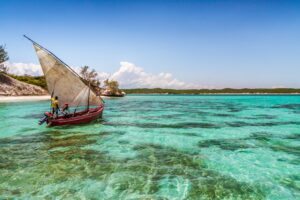

When you picture Madagascar, your mind probably goes straight to dry baobab forests, curious lemurs leaping through the trees, and bizarre, spiny landscapes. But this massive island nation in the Indian Ocean is also flanked by some of the most breathtaking, unspoiled tropical islands on the planet.

From islands that smell like sweet vanilla and ylang-ylang flowers to historic pirate hideouts and pristine marine sanctuaries, Madagascar’s outer islands offer a completely different side of paradise.
If you are planning a trip to this magical corner of the world, here is everything you need to know about the best islands to visit in Madagascar.
Why Are Madagascar’s Islands Worth Visiting?
While mainland Madagascar is famous for its national parks and overland adventures, its surrounding islands are all about pristine ocean experiences and relaxed coastal culture.
The islands surrounding Madagascar are completely unique because they combine classic “barefoot luxury” with rare wildlife. It is one of the few places on Earth where you can spend the morning watching lemurs in a wild rainforest and the afternoon snorkeling alongside giant sea turtles or tracking migrating humpback whales.
Unlike overcrowded commercial hubs like Bali or parts of Thailand, Madagascar’s islands still feel untouched, quiet, and deeply authentic.
Which Is the Best Island in Madagascar to Visit?
Because each island off the coast of Madagascar has its own distinct personality, the “best” one depends entirely on what kind of traveler you are. Here are the top islands you should add to your travel itinerary:
1. Nosy Be: The Fragrant “Perfumed Island”
- Best for: Luxury resorts, scuba diving, and vibrant local life.
- The Vibe: Relaxed but well-equipped.
Nosy Be is Madagascar’s most famous island destination, but do not let that fool you—it still retains its slow, tropical charm. As soon as you step off the plane or boat, you will notice a sweet, heavy scent in the air. This comes from the vast plantations of ylang-ylang, vanilla, coffee, and pepper that cover the island.
- What to do: Explore Hell-Ville (the island’s main town) with its colorful local markets, or take a day trip to the Lokobe National Park to spot black lemurs and tiny chameleons.
- Under the water: The coral reefs surrounding Nosy Be are exceptionally healthy. It is a world-class scuba diving spot where you can easily see reef sharks, manta rays, and turtles.
2. Île Sainte-Marie (Nosy Boraha): The Pirate Sanctuary
- Best for: Whale watching, historical ruins, and dense green forests.
- The Vibe: Mystical, quiet, and deeply historic.
Located off the east coast of Madagascar, Île Sainte-Marie is a long, thin island with a fascinating history. During the 17th and 18th centuries, it was a notorious pirate stronghold. Hundreds of pirates—including Captain Kidd—lived here, and you can still visit the world’s only official pirate cemetery on a small hilltop overlooking the bay.
- What to do: Rent a bicycle or a scooter to explore the quiet coastal paths.
- The Highlight: Between July and September, Sainte-Marie becomes one of the best places in the world to watch humpback whales. They travel thousands of miles from Antarctica to these warm, sheltered waters to calve and play.
3. Nosy Iranja: The Postcard-Perfect Sandbar
- Best for: Unbelievable white sand, turquoise water, and romantic day trips.
- The Vibe: Pure castaway paradise.
Nosy Iranja is actually made up of two smaller islands—Nosy Iranja Be and Nosy Iranja Kely. What makes them famous is a long, 1.5-kilometer sandbar of brilliant white sand that connects the two. At low tide, you can walk across this thin strip of sand with crystal-clear turquoise water lapping at your feet on both sides.
- What to do: Walk the sandbar, visit the old lighthouse designed by Gustave Eiffel on the larger island, and watch green sea turtles. Nosy Iranja is an important nesting ground for these gentle marine creatures, and you will often see them swimming just feet from the beach.
4. Nosy Komba: The Lemur Mountain
- Best for: Close-up wildlife encounters and local Malagasy crafts.
- The Vibe: Eco-friendly, car-free, and lush.
Nosy Komba is a giant, cone-shaped volcanic island covered in thick, green rainforest that sits between Nosy Be and the mainland. Because there are no cars here, the island is incredibly peaceful.
- What to do: Hike through the forest to meet the island’s famous inhabitants—the black lemurs. These lemurs are highly accustomed to human visitors and will often leap down from the canopy to inspect you.
- The Culture: Visit the local fishing villages where talented local women sell intricate, hand-embroidered tablecloths and woodcarvings.
5. Île aux Nattes (Nosy Nato): The Ultimate Slow-Paced Escape
- Best for: True relaxation, shallow lagoons, and rustic beach bungalows.
- The Vibe: Simple, cozy, and completely peaceful.
Just off the southern tip of Île Sainte-Marie sits Île aux Nattes, a tiny, car-free paradise that you can walk across in less than three hours. If your dream vacation involves lying in a hammock under a coconut tree with a cold drink, this is where you belong.
- What to do: Snorkel in the warm, shallow lagoons, look for rare orchids, and enjoy fresh, locally caught seafood at beachside shacks.
When Is the Best Time to Go Island Hopping in Madagascar?
Madagascar’s climate is split into two main seasons: the dry season and the wet season.
- May to October (The Dry Season): This is by far the best time to visit the islands. The weather is warm, sunny, and dry, and the ocean is calm, making it ideal for snorkeling, diving, and boat transfers. It is also cooler inland, making travel much more comfortable.
- November to April (The Wet Season): The northwest monsoon brings heavy rains and high humidity. Cyclones are common between January and March, which can cause severe travel delays, rough seas, and flight cancellations. It is best to avoid planning an island holiday during these months.
How Do You Get to These Remote Malagasy Islands?
Getting to Madagascar’s islands requires a bit of planning. The main international gateway is Ivato International Airport (TNR) in the capital city of Antananarivo.
From the capital, you can catch domestic flights directly to Nosy Be or Île Sainte-Marie. For smaller islands like Nosy Iranja, Nosy Komba, and Nosy Tanikely, you will take a scenic speedboat transfer from the port of Hell-Ville on Nosy Be.
Don’t Forget Your Travel Documents!
Before you pack your swimwear and sunscreen, you must make sure your paperwork is in order. All international travelers visiting Madagascar must hold a valid passport (with at least six months of validity left) and a tourist eVisa.
Securing your visa ahead of time is the best way to avoid long lines at the airport, giving you more time to focus on your upcoming beach adventure.
Why Choose Us for Your Madagascar Tourist eVisa?
Applying for travel documents should not be the stressful part of your trip. We specialize in making the visa process simple, fast, and completely reliable.
- Reliable Travel Visa ServicesOur global approach and secure system have assisted thousands of travelers in successfully obtaining their official Madagascar Tourist eVisa.
- Round-the-Clock AssistanceGot a question at midnight? Reach out to us 24/7. Our dedicated travel visa experts will respond to your queries within 72 hours.
- Experienced Visa ConsultantsAvoid common application mistakes. Our experienced team reviews your application thoroughly to guarantee its acceptance.
- Efficient Visa Application ProcessNo complicated paperwork. Apply for your Madagascar tourist eVisa in minutes with our highly simplified online form.
Ready to start planning your dream island hopping vacation? Apply for your Madagascar Tourist eVisa today and get ready to explore the stunning islands of the Indian Ocean!