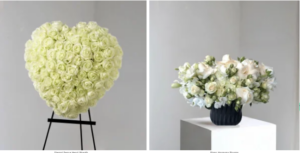

Behind the Design: Crafting Luxury Floral Flower Arrangements
You walk into a room and one thing pulls your eye. A vase full of color sits on the table. It feels alive. That feeling does not happen by accident. Luxury floral flower arrangements take skill, structure, and a clear plan before a single stem gets cut.
Most people grab a bunch of flowers and shove them in a vase. The result looks messy. It wilts fast. It misses the point. Good design follows a method. Once you learn it, your arrangements stop looking like leftovers from the grocery store and start looking like something a professional made.
This guide breaks down what goes into real floral arrangements flowers experts use every day. You will learn the order of placement, the tools that hold everything together, and the small habits that keep blooms fresh longer.
The Formula Behind Every Strong Arrangement
Every solid arrangement follows the same build order. Skip a step and the whole thing falls apart, literally.
Foliage first. Greenery creates your shape. It gives the arrangement a frame to work inside. Woody stems are easier to place at the start. Trying to wedge them in later just makes a mess.
Focal flowers next. These are your biggest, boldest blooms. Roses, lilies, peonies. Whatever draws the eye. Place them once your greenery frame is set so they have a clear stage to sit on.
Filler flowers last. Small blooms and soft textures fill the gaps. They round out the shape and stop the design from looking sparse.
This order matters more than people think. It is the difference between an arrangement that looks intentional and one that looks thrown together.
Why Vase Choice Changes Everything
Your vase is not just a container. It shapes the entire outcome.
A tall, narrow vase pushes flowers upward into a stiff, columnar look. A short, wide vase lets stems droop and spill. Neither extreme works well for most designs.
The best choice sits in the middle. Pick a vase with enough structure to support leaning stems but not so tall it restricts your shape. For larger pieces, sturdy materials matter too. Thick glass or metal vases hold weight better than thin, delicate ones.
Wider vase openings need more stems to fill the space. Keep that in mind before you buy your flowers, or you will end up short.
Mechanics: The Hidden Structure Behind Beautiful Florals
Professionals do not just stick stems into water and hope. They use mechanics, the hidden tools that hold everything in place.
Common options include:
- Chicken wire shaped into a loose ball inside the vase
- Floral tape stretched into a grid across the opening
- Pin frogs for clear glass vases
- Floral foam for larger or elevated designs
Each method creates a grid your stems can rest in. Without one, your flowers shift and slide until the whole design collapses sideways.
A growing number of designers now skip floral foam entirely. Foam-free arranging relies on chicken wire or pin frogs instead. It cuts down on waste and lets flowers absorb water more naturally. If you care about sustainability, this method is worth trying.
Choosing Flowers With Purpose
Random flower picks rarely work. Strong arrangements need variety, but the right kind.
Look for differences in three areas:
- Texture. Mix smooth petals with rougher, fuller blooms.
- Shape. Round flowers next to spiky ones create contrast.
- Color. Even within one color family, shade variation adds depth.
Odd numbers also matter. Groupings of three or five flowers look more natural than even numbers. Symmetry can feel stiff. A little imbalance makes the design feel alive.
For bold, structural pieces, certain flowers hold their shape better than others. Orchids, calla lilies, anthuriums, and birds of paradise all keep clean lines. These work well in modern, sculptural designs where negative space matters as much as the blooms themselves.
Luxury Faux Florals: A Practical Alternative
Fresh flowers are beautiful, but they do not last. That is where luxury faux florals come in.
High quality luxury faux floral arrangements now look nearly identical to fresh blooms. The petals have a realistic texture. The colors do not fade. For spaces that need long term decor, like offices, hotel lobbies, or homes where fresh flowers are hard to maintain, faux options solve a real problem.
The same design rules apply. Foliage, focal flowers, filler flowers. Vase choice still matters. The only difference is your materials never wilt, which means your investment lasts for years instead of days.
Caring for Fresh Arrangements So They Actually Last
Even the best design fails fast without proper care. A few simple habits make a real difference.
- Cut stems at an angle. This increases surface area for water absorption.
- Strip leaves below the waterline. Submerged foliage breeds bacteria fast.
- Change the water every two days. Fresh water keeps bacteria from building up.
- Wash your vase between uses. Soap and hot water, not just a rinse.
- Keep arrangements away from direct sun and heat. Both speed up wilting.
These steps sound small. They are not. Skipping them can cut your arrangement’s lifespan in half.
Elevated Designs for Events and Special Occasions
Event arrangements need extra structure. Centerpieces at weddings or galas often use vases at least 24 inches tall, with the floral display reaching 24 to 30 inches wide. This keeps the design above eye level so guests can still see each other across the table.
Designers building these pieces often use a weave technique. Stems are placed so no two sit at the same height. This avoids a flat, symmetrical look and gives the arrangement more depth and movement.
If you are planning an event, this is where working with someone experienced pays off. Scale and structure require more than good taste. They require technical skill.
A Final Word on Design That Lasts
Great floral flower arrangements are not about how many stems you buy. They come down to structure, balance, and small choices made with intention. Foliage builds your frame. Focal flowers anchor your design. Filler flowers complete the picture. Add the right mechanics, the right vase, and consistent care, and your arrangement will hold its beauty far longer than a careless one ever could.
Whether you choose fresh blooms or long lasting luxury faux florals, the same principles apply. Design with purpose. Build with structure. Care for it properly.
If you want arrangements built by people who understand every layer of this process, XO Bloom designs each piece with the same care and detail covered in this guide. Visit us to see how thoughtful design transforms a simple bouquet into a true statement piece.
Frequently Asked Questions
- How long do luxury floral flower arrangements typically last?
With proper care, fresh arrangements last five to ten days. Changing water and trimming stems regularly extends this further.
- What is the difference between floral foam and foam-free arranging?
Floral foam holds stems in place using a soaked block. Foam-free methods use chicken wire or pin frogs instead, reducing waste and improving water absorption.
- Are luxury faux floral arrangements worth the investment?
Yes, for spaces needing long term decor. High quality faux florals look realistic and never require water changes or replacement.
- What flowers work best for structural, modern arrangements?
Orchids, calla lilies, anthuriums, and birds of paradise hold their shape well and create clean, sculptural lines.
- Why do odd numbered flower groupings look better?
Odd numbers, especially three and five, create natural visual balance. Even numbers often look too symmetrical and stiff.