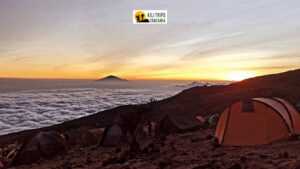

Climbing Mount Kilimanjaro is a dream adventure for many travelers. As Africa’s highest peak, standing at 5,895 meters (19,341 feet), it attracts thousands of trekkers each year from around the world. While the mountain does not require technical climbing skills, one of the biggest challenges climbers face is altitude sickness. Understanding altitude sickness on Kilimanjaro is essential for anyone planning a successful and safe summit attempt.
Altitude sickness, also known as Acute Mountain Sickness (AMS), occurs when the body struggles to adapt to lower oxygen levels at high elevations. As climbers ascend Kilimanjaro, the air becomes thinner, meaning there is less oxygen available with each breath. This decrease in oxygen can affect anyone, regardless of age, fitness level, or previous trekking experience.
One of the most common misconceptions is that physically fit individuals are less likely to experience altitude sickness. In reality, altitude sickness can affect even the strongest athletes. The primary factor is how quickly a person ascends and how well their body adapts to the changing altitude.
The symptoms of altitude sickness can range from mild discomfort to serious medical conditions. Early signs often include headaches, dizziness, fatigue, nausea, loss of appetite, and difficulty sleeping. These symptoms typically appear above 2,500 meters and may become more noticeable as climbers continue gaining elevation. While mild symptoms are common on Kilimanjaro, they should never be ignored.
If altitude sickness worsens, it can develop into more severe conditions such as High Altitude Pulmonary Edema (HAPE) or High Altitude Cerebral Edema (HACE). HAPE occurs when fluid accumulates in the lungs, causing shortness of breath, chest tightness, and difficulty breathing. HACE affects the brain and may result in confusion, loss of coordination, severe headaches, and altered mental status. Both conditions are medical emergencies and require immediate descent and professional assistance.
The good news is that most cases of altitude sickness can be prevented through proper acclimatization. Acclimatization is the process by which the body gradually adapts to lower oxygen levels. On Kilimanjaro, choosing a longer route significantly improves acclimatization and increases summit success rates. Routes such as Lemosho, Northern Circuit, and Machame are often recommended because they provide more time for the body to adjust compared to shorter routes like Marangu.
One of the guiding principles used during Kilimanjaro treks is “climb high, sleep low.” This strategy allows climbers to reach higher elevations during the day and then descend slightly to sleep at a lower altitude. This gradual exposure helps the body produce more red blood cells and improve oxygen delivery throughout the body.
Hydration also plays an important role in preventing altitude sickness. Climbers are encouraged to drink plenty of water throughout the trek, often between three and four liters per day. Proper hydration supports circulation, helps the body function efficiently at altitude, and may reduce some symptoms associated with AMS.
Nutrition is equally important during a Kilimanjaro climb. At higher elevations, appetite often decreases, but maintaining adequate calorie intake is essential for energy and recovery. Guides typically recommend eating regular meals rich in carbohydrates, which provide the body with a readily available energy source during strenuous trekking days.
Many climbers also consider taking altitude medication such as Acetazolamide, commonly known as Diamox. This medication can help speed up acclimatization and reduce the risk of altitude sickness. However, it should only be used under the guidance of a healthcare professional before traveling. It is important to understand that medication does not eliminate the need for proper acclimatization and responsible trekking practices.
Professional guides play a critical role in monitoring climbers for signs of altitude sickness. Reputable Kilimanjaro operators conduct daily health checks, including monitoring oxygen saturation levels and assessing symptoms. Guides are trained to recognize early warning signs and make decisions that prioritize climber safety. If symptoms become severe, the safest option is always to descend to a lower altitude.
Preparing for Kilimanjaro before arriving in Tanzania can also contribute to a safer experience. Regular cardiovascular exercise, hiking, endurance training, and strength conditioning help improve overall fitness. While fitness alone does not prevent altitude sickness, it enables climbers to handle the physical demands of the trek more comfortably, allowing them to focus on acclimatization.
Altitude sickness remains one of the most significant challenges on Mount Kilimanjaro, but it should not discourage travelers from pursuing their summit goals. With proper preparation, a gradual ascent, adequate hydration, and experienced guides, the vast majority of climbers successfully adapt to the altitude and enjoy an unforgettable journey to the Roof of Africa.
Understanding the causes, symptoms, and prevention of altitude sickness is an essential part of responsible trekking. By respecting the mountain, listening to your body, and following expert guidance, you can greatly improve your chances of reaching Uhuru Peak safely while enjoying one of the world’s most remarkable trekking experiences.