
Starting a fitness journey feels exciting until you walk into the supplement aisle. Hundreds of products, bold claims, and zero clarity. Most beginners either buy everything or trust nothing. Neither works. Fitness nutritional supplements are not magic. They are tools. And like any tool, results depend on how well you understand and use them. This guide gives you a clear, honest, and practical look at what supplements actually do, which ones matter, and how to use them the right way from the start.
Why Nutrition Comes Before Supplements
Before we talk about any product, let’s get one thing straight. No supplement replaces real food. Your body absorbs nutrients from whole foods far more efficiently than from pills or powders. Protein from eggs, healthy fats from fish, vitamins from vegetables these are your foundation.
Supplements exist to fill gaps, not create shortcuts. When your diet consistently misses key nutrients, or your training intensity increases beyond what food alone can recover, that is when nutritional fitness supplements become genuinely useful.
Think of it this way. Your diet is the house. Supplements are the finishing touches. You cannot skip building the walls and jump straight to the paint.
What Are Fitness Supplements, Really?
Fitness supplements are products designed to support performance, recovery, or general health goals. They come in powders, capsules, tablets, and drinks. The common categories a beginner will encounter include protein powders, creatine, pre-workout blends, amino acids, vitamins, minerals, and omega-3 fatty acids.
Not all of them are created equal. Some have decades of research behind them. Others are trending ingredients with limited long-term data. As a beginner, your priority should be the ones with the strongest evidence not the loudest packaging.
The Supplements That Actually Work
Protein: Your Muscle’s Best Friend
Protein is the most important macronutrient for anyone who exercises. It repairs muscle tissue broken down during training and drives new muscle growth. Most active adults need around 1.6 grams of protein per kilogram of body weight daily.
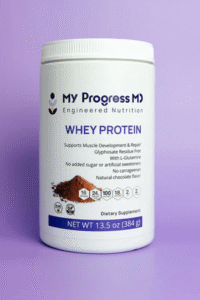
Whey protein is the most researched and widely used option. It digests quickly, which makes it ideal right after a workout. If you follow a plant-based diet, options like pea protein and soy protein offer complete amino acid profiles that support muscle repair just as effectively when consumed consistently.
Creatine: The Most Proven Performance Booster
Creatine monohydrate is the most studied supplement in sports nutrition history. It works by helping your muscles regenerate energy faster during high-intensity exercise. More energy means more reps, more power, and more muscle over time.
You can start with 3 to 5 grams per day. No loading phase is necessary for most beginners. It is safe, it is effective, and the science behind it is overwhelming. Recent research also suggests potential brain health benefits an added reason to consider it seriously.
Omega-3 Fatty Acids: Recovery Without the Soreness
Fish oil gets overlooked by beginners, but it should not. Omega-3 fatty acids, specifically EPA and DHA, reduce exercise-induced inflammation, support joint health, and speed up recovery. Taking 2 to 4 grams of a quality fish oil daily helps your body handle the physical stress of regular training.
If you are plant-based, algae-based omega-3 supplements deliver the same EPA and DHA directly from the original marine source.
Vitamins and Minerals: The Silent Operators
Vitamin D3, magnesium, and B12 are the three most commonly deficient nutrients among active people. Vitamin D3 supports muscle function, bone health, and immune resilience. Magnesium plays a role in over 300 biochemical processes, including sleep quality and muscle recovery. B12 supports energy production and nervous system health.
These are not glamorous supplements. But deficiencies in any of them will quietly limit your progress, your energy, and your recovery.
What to Skip as a Beginner
Pre-Workouts: Proceed With Caution
Pre-workout supplements can boost energy and focus during training sessions. They typically contain caffeine, beta-alanine, and L-citrulline. Caffeine, at around 3 to 6 mg per kilogram of body weight, genuinely improves performance and reduces perceived effort during exercise.
However, many pre-workouts are overdosed with stimulants. As a beginner, your nervous system is not yet conditioned for high-stimulant products. Start with a simple caffeine source, like black coffee, before experimenting with pre-workout blends. If you do use them, always choose products with transparent labels and third-party testing.
Fat Burners and Thermogenics
These are aggressively marketed to beginners who want faster results. The honest truth — most fat burners do very little that a good diet and consistent training cannot do better. Some contain questionable stimulant combinations. Save your money. Invest it in food quality instead.
Glutamine and Carnitine
Both are commonly promoted for muscle recovery and fat metabolism. Current research does not support either as significantly effective for healthy, active individuals. Glutamine supplementation shows little impact on muscle performance. Carnitine rarely alters muscle content or fat metabolism enough to justify the cost.
How to Use Nutritional Fitness Supplements the Smart Way
Timing matters more than most people realize. Protein consumed within a few hours post-workout supports muscle repair. Creatine taken daily, at any time, builds up in muscle tissue over time. Omega-3s are best taken with a meal containing fat for better absorption. Vitamin D3 should be taken with your largest meal.
Consistency beats perfection. Taking your supplements regularly, even on rest days, produces far better results than sporadic high-dose use. Your body adapts over time, not overnight.
How to Choose Online Nutritional Supplements Safely
The supplement industry is large, loosely regulated, and full of misleading labels. When shopping for online nutritional supplements, look for third-party testing certifications. These independent tests verify that what is on the label is actually in the product nothing more, nothing less.
Read ingredient lists carefully. Avoid products with excessive proprietary blends that hide dosages behind vague terms. A quality supplement brand will always show exact amounts for every active ingredient.
Also, match your choices to your actual goals. A beginner focused on general fitness does not need the same stack as a competitive athlete. Start with two or three core supplements, assess how your body responds, and build from there.
Hydration: The Supplement Nobody Talks About Enough
Water is not a supplement in the traditional sense, but it performs like one. Dehydration of even 2% of body weight measurably harms endurance and strength performance. Electrolyte balance, especially sodium, potassium, and magnesium, becomes critical during intense or prolonged training sessions.
Before reaching for a new product, check your hydration first. It costs nothing and impacts everything.
Where to Start With Your Supplement Stack
If you are a beginner and overwhelmed by choices, start here. Prioritize whole foods. Add a quality protein supplement if your daily intake falls short. Consider creatine monohydrate for strength and recovery. Take omega-3s and vitamin D3 for long-term health. Stay consistent. Stay patient.
These four cover the vast majority of what most beginners actually need. Everything else comes later, once you have built a real nutritional foundation and understand how your body responds.
Build Your Foundation With the Right Support
Fitness nutritional supplements work best when paired with a clear goal, solid nutrition, and consistent training. Most beginners see the biggest results not from rare or exotic products, but from the basics done extremely well.
If you are looking for high-quality, science-backed supplements designed to support real progress, MyProgressMD offers a range of nutritional fitness supplements built around exactly that principle quality ingredients, transparent formulations, and products designed to complement a healthy lifestyle at every stage of your journey.
Do not wait for the perfect moment to start. Your progress begins with one smart decision at a time.
Frequently Asked Questions
What fitness nutritional supplements should a beginner take first?
Start with a quality protein powder, creatine monohydrate, omega-3 fatty acids, and vitamin D3. These four cover the most common nutritional gaps for beginners and have the strongest research support.
Are nutritional fitness supplements safe for daily use?
Most well-researched supplements like creatine, protein powder, and omega-3s are safe for daily use at recommended doses. Always choose third-party tested products and consult a healthcare professional if you have a medical condition.
How long does it take to see results from supplements?
Creatine typically shows measurable strength improvements within two to four weeks of consistent daily use. Protein supplements support muscle growth over weeks and months combined with proper training. Vitamins and omega-3s often show their impact through recovery, energy, and joint comfort rather than visible changes.
Can I find good online nutritional supplements that are actually trustworthy?
Yes. Look for brands that display third-party testing, list all ingredient amounts clearly, and avoid exaggerated claims. Certifications from independent testing organizations add a meaningful layer of trust when shopping for online nutritional supplements.
Do I need supplements if I eat a balanced diet?
Not always. A well-planned diet can cover most nutritional needs. Supplements become relevant when training intensity increases, dietary variety is limited, or specific nutrients are consistently under-consumed. Use them to complement strong nutrition not replace it.