
Concrete is known for its strength and durability, making it a popular choice for driveways, patios, sidewalks, and foundations across Ohio. However, even the most well-installed concrete doesn’t last forever. Weather fluctuations, moisture exposure, and daily wear can gradually weaken its structure.
So how do you know when it’s time to stop repairing and start replacing? Recognizing the early warning signs can save you from bigger problems down the line. Let’s explore the key indicators that suggest your concrete may need replacement rather than a simple fix.
Why Timely Concrete Replacement Matters
Ignoring damaged concrete can lead to more than just an unattractive surface. It can create safety hazards, reduce property value, and cause underlying structural issues. In Ohio, freeze-thaw cycles are especially tough on concrete, accelerating deterioration.
Replacing concrete at the right time ensures:
- Improved safety for pedestrians and vehicles
- Enhanced curb appeal
- Long-term cost efficiency
- Prevention of further structural damage
Understanding the signs early allows you to act before minor issues turn into major repairs.
Major Cracks That Keep Expanding
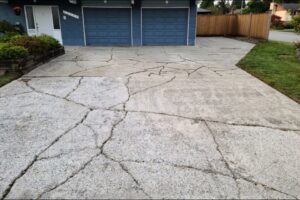
Small cracks are common in concrete and can often be repaired. However, large, deep, or widening cracks are a different story. If you notice cracks that are growing over time or forming patterns like spiderwebs, it may indicate structural failure.
What to Look For
- Cracks wider than a quarter inch
- Uneven edges along the crack
- Water seeping through cracks
- Multiple cracks are spreading across the surface
These signs suggest that the integrity of the concrete is compromised, and replacement may be the safest option.
Uneven or Sunken Concrete Surfaces
Concrete relies on a stable base. When the soil underneath shifts or erodes, the concrete above it can sink or become uneven. This is a common issue in areas with fluctuating moisture levels, like Ohio.
Warning Signs
- Sloping or dipping sections
- Noticeable height differences between slabs
- Water pooling in low spots
- Trip hazards on walkways
Uneven concrete is not just a cosmetic issue; it can pose serious safety risks. In many cases, replacement is more effective than temporary leveling solutions.
Surface Spalling and Flaking
Spalling happens when the surface layer of concrete starts to peel, flake, or chip away. This often results from freeze-thaw cycles, improper installation, or exposure to de-icing chemicals.
Indicators of Severe Spalling
- Rough, pitted surfaces
- Exposed aggregate
- Continuous peeling across large areas
- Dusting or crumbling texture
When spalling becomes widespread, patching may not restore the surface effectively. Replacement ensures a durable and smooth finish.
Persistent Water Drainage Issues
Concrete should direct water away from your home or structure. When it fails to do so, water can collect and seep into unwanted areas, causing long-term damage.
Signs of Drainage Problems
- Standing water after rain
- Water flowing toward your home
- Mold or mildew near concrete surfaces
- Erosion around the edges
Improper drainage often points to foundational or grading issues. In such cases, replacing the concrete with proper slope correction is the best solution.
Visible Rust Stains or Reinforcement Exposure
Concrete structures often contain steel reinforcement bars (rebar) for added strength. Over time, moisture can penetrate the concrete and cause the steel to rust.
Red Flags
- Rust-colored stains on the surface
- Cracks accompanied by discoloration
- Exposed metal within the concrete
Once corrosion begins, it weakens the entire structure from within. Replacement is usually necessary to restore strength and prevent further deterioration.
Frequent Repairs That Don’t Last
If you find yourself repeatedly fixing the same area, it may be time to reconsider your approach. Constant repairs can become costly and ineffective over time.
Signs It’s Time to Replace
- Repairs are cracking again within months
- Multiple patched areas
- Uneven appearance due to repeated fixes
- Increasing maintenance costs
At this stage, replacing the concrete provides a more permanent and cost-effective solution.
Age of the Concrete Surface
Concrete typically lasts between 20 and 30 years, depending on installation quality and environmental conditions. In Ohio’s climate, this lifespan can vary.
Age-Related Indicators
- Fading color and worn texture
- Increased frequency of cracks
- Reduced structural integrity
If your concrete is nearing the end of its lifespan and showing signs of wear, replacement is often the most practical option.
Enhancing Property Value with New Concrete
Replacing old concrete doesn’t just solve problems; it also improves the overall appearance and usability of your space. Modern concrete options offer both durability and visual appeal.
If you’re considering upgrading your outdoor surfaces, professional stamped concrete services in Columbia Station from Clean Custom Concrete can help you achieve a fresh, durable, and visually appealing finish that complements your property.
Safety Risks You Shouldn’t Ignore
Damaged concrete can create serious hazards, especially in high-traffic areas. Trip-and-fall accidents are a common concern with uneven or cracked surfaces.
Common Safety Issues
- Sharp edges from broken concrete
- Slippery areas due to water buildup
- Instability underfoot
- Hidden structural weaknesses
Replacing compromised concrete ensures a safer environment for everyone.
Environmental and Weather Damage in Ohio
Ohio’s weather plays a significant role in concrete deterioration. Repeated freeze-thaw cycles result in the expansion and contraction of materials, which can lead to cracks and surface deterioration.
Weather-Related Signs
- Cracking after the winter months
- Surface scaling from de-icing salts
- Moisture penetration and expansion
When weather damage becomes extensive, replacement is often more reliable than ongoing repairs.
Final Thoughts
Concrete surfaces are durable but can still be damaged over time. Common signs include expanding cracks, uneven slabs, drainage problems, and surface wear. Recognizing these issues early is key to preserving safety, function, and property value. If your concrete exhibits multiple damages or if repairs are no longer effective, replacing it is the most dependable solution.
For homeowners seeking reliable solutions, partnering with experienced professionals guarantees high-quality results. If you’ve been searching for concrete companies near me, selecting a trusted team like Clean Custom Concrete can significantly impact the durability and longevity of your concrete surfaces.