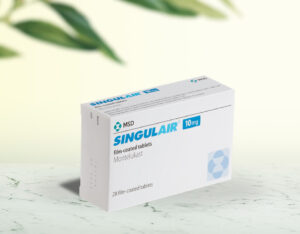

Managing chronic respiratory conditions such as asthma and allergic rhinitis requires more than just treating symptoms as they arise. Long-term control of inflammation is essential to maintaining healthy airways and preventing flare-ups. One medication that has become a cornerstone in preventive care is Singulair (montelukast). Widely prescribed for both adults and children, Singulair plays a crucial role in reducing inflammation and improving overall respiratory health.
Understanding How Singulair Works
Singulair belongs to a class of medications known as leukotriene receptor antagonists. Leukotrienes are naturally occurring chemicals in the body that contribute to inflammation, particularly in the airways. When these chemicals are released, they cause swelling, increased mucus production, and tightening of airway muscles—all of which make breathing more difficult.
By blocking leukotriene receptors, Singulair prevents these inflammatory effects from taking place. This helps keep the airways open and reduces sensitivity to triggers such as allergens, exercise, or cold air. Unlike some other asthma medications that focus on immediate symptom relief, Singulair works at a deeper level to address the root causes of inflammation.
Role in Asthma Management
Asthma is a chronic condition characterized by airway inflammation and narrowing, leading to symptoms such as wheezing, coughing, chest tightness, and shortness of breath. Effective asthma management typically involves a combination of quick-relief medications and long-term control therapies.
Singulair is classified as a maintenance or preventive medication. It is taken daily, regardless of whether symptoms are present, to keep inflammation under control. Over time, consistent use can lead to fewer asthma attacks, reduced reliance on rescue inhalers, and improved lung function.
It is important to note that Singulair is not designed to treat acute asthma attacks. Patients should always have a fast-acting bronchodilator available for emergencies. However, by reducing the frequency and severity of attacks, Singulair significantly improves overall asthma control.
Benefits for Allergic Rhinitis
In addition to asthma, Singulair is also effective in treating allergic rhinitis, commonly known as hay fever. This condition occurs when the immune system overreacts to allergens such as pollen, dust mites, or pet dander, leading to symptoms like sneezing, nasal congestion, runny nose, and itchy eyes.
Leukotrienes play a role in allergic responses as well, making Singulair a useful option for managing these symptoms. For individuals who experience both asthma and allergies, Singulair offers the advantage of addressing both conditions with a single medication.
It can be particularly beneficial for people who do not respond well to traditional antihistamines or who prefer an alternative treatment approach. Additionally, it may be used seasonally or year-round, depending on the patient’s needs.
Convenience and Ease of Use
One of the key advantages of Singulair is its convenient dosing. It is typically taken once daily, often in the evening, making it easy to incorporate into a daily routine. The medication is available in various forms, including tablets, chewable tablets, and oral granules, allowing flexibility for different age groups and preferences.
This simplicity can improve adherence to treatment, which is essential for achieving long-term benefits. Consistent use is critical, as skipping doses can reduce the medication’s effectiveness and increase the risk of symptom flare-ups.
Safety and Considerations
While Singulair is generally well-tolerated, like all medications, it may cause side effects in some individuals. Common side effects include headache, stomach pain, and fatigue. Most of these are mild and tend to resolve over time.
However, there have been reports of mood and behavioral changes associated with montelukast, including anxiety, depression, and sleep disturbances. Because of this, healthcare providers often discuss potential risks with patients and monitor for any unusual symptoms during treatment.
Patients should always follow their healthcare provider’s instructions and report any concerning side effects promptly. It is also important not to discontinue the medication abruptly without medical guidance, as this may worsen symptoms.
Who Can Benefit from Singulair?
Singulair is suitable for a wide range of patients, including children as young as six months old (depending on the formulation). It is often prescribed for:
- Individuals with mild to moderate persistent asthma
- Patients with exercise-induced bronchoconstriction
- People suffering from seasonal or perennial allergic rhinitis
- Those who need an alternative or add-on therapy to inhaled corticosteroids
For many patients, Singulair serves as part of a comprehensive treatment plan tailored to their specific condition and triggers.
Conclusion
Singulair (montelukast) has established itself as an important preventive treatment for both asthma and allergic rhinitis. By targeting leukotrienes and reducing airway inflammation, it helps maintain open airways and minimize symptoms over time. While it is not a rescue medication, its consistent use can significantly improve quality of life by preventing flare-ups and enhancing overall respiratory function.