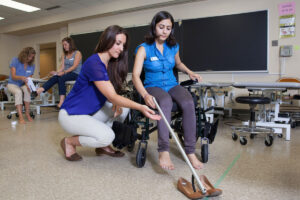

Occupational therapy plays an important role in helping individuals regain independence and improve their ability to perform everyday activities. Whether someone is recovering from an injury, managing a chronic condition, or dealing with physical or cognitive challenges, occupational therapy focuses on developing practical skills that support daily living. By addressing both physical and mental aspects of health, occupational therapists help people live more comfortable, productive, and independent lives.
What Is Occupational Therapy?
Occupational therapy is a form of rehabilitation that helps individuals perform daily activities that may have become difficult due to illness, injury, disability, or aging. These activities, often called “occupations,” include essential tasks such as dressing, cooking, writing, working, and personal care.
Occupational therapists evaluate a person’s abilities, limitations, and environment to create personalized treatment plans. The goal is to improve functional skills and enable individuals to participate fully in their daily routines.
Who Can Benefit from Occupational Therapy?
Occupational therapy supports people of all ages. It can help individuals facing a variety of challenges, including:
-
Recovery after accidents or surgery
-
Physical disabilities affecting mobility or coordination
-
Developmental delays in children
-
Neurological conditions such as stroke or brain injury
-
Arthritis or chronic pain
-
Mental health conditions that affect daily functioning
By addressing these challenges, occupational therapy helps individuals regain control over their daily lives.
Improving Daily Living Skills
One of the primary goals of occupational therapy is to improve essential daily living skills. For some individuals, simple tasks like buttoning a shirt, preparing meals, or bathing can become difficult after an injury or illness.
Occupational therapists use targeted exercises and adaptive techniques to make these tasks easier. They may also recommend assistive devices or tools designed to support independence in everyday activities.
Restoring Physical Strength and Coordination
Many people experience reduced strength, balance, or coordination after an injury or medical condition. Occupational therapy includes exercises designed to rebuild these physical abilities.
Therapists guide patients through movements that improve muscle control, hand function, and fine motor skills. These exercises help individuals regain confidence in performing daily tasks safely and effectively.
Supporting Cognitive and Mental Skills
Occupational therapy does not only focus on physical recovery. It also addresses cognitive challenges such as memory, concentration, problem-solving, and decision-making.
For individuals recovering from brain injuries or neurological conditions, therapists may provide mental exercises and structured activities that help rebuild cognitive abilities and improve focus during daily routines.
Adapting the Home and Work Environment
Sometimes, independence can be improved by making small adjustments to the environment. Occupational therapists often assess a person’s home or workplace to identify barriers that may make daily tasks difficult.
They may suggest modifications such as installing grab bars, rearranging furniture, or using ergonomic tools. These changes create a safer and more accessible environment for individuals with physical limitations.
Helping Children Develop Essential Skills
Children with developmental delays, sensory processing issues, or physical challenges can also benefit greatly from occupational therapy. Therapists work with children to improve skills such as handwriting, coordination, attention, and self-care.
Through structured activities and play-based therapy, children develop the abilities they need to succeed at school and in daily life.
Encouraging Emotional Well-Being
Regaining independence after an injury or illness can be emotionally challenging. Occupational therapists provide encouragement and support throughout the recovery process, helping patients stay motivated and confident in their progress.
By helping individuals achieve small milestones, therapy builds self-esteem and promotes a positive outlook on recovery.
Personalized Treatment Plans
Every person’s needs and abilities are different, which is why occupational therapy programs are highly personalized. During the initial assessment, therapists carefully evaluate the individual’s condition, lifestyle, and goals.
Based on this information, they design a treatment plan that targets specific challenges while promoting long-term independence and well-being.
Conclusion
Occupational therapy plays a vital role in helping individuals regain independence and improve their quality of life. By focusing on practical skills, physical recovery, cognitive development, and environmental adaptations, occupational therapists empower people to perform everyday tasks with greater ease and confidence.
Whether someone is recovering from an injury, managing a disability, or supporting a child’s development, occupational therapy toronto provides the tools and guidance needed to live a more independent and fulfilling life.