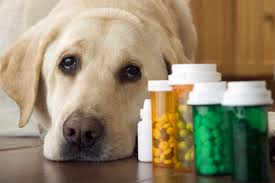

Dogs are curious creatures, often exploring their surroundings with boundless energy. Sometimes, this curiosity leads to scrapes, cuts, or more serious injuries. While minor wounds can heal with basic care, infected or deep wounds often require medical intervention. Antibiotic tablet for dog wounds are a critical part of treating infected wounds and preventing complications. Understanding when and how to use them ensures your furry friend recovers quickly and safely.
Common Causes of Dog Wounds
Dog wounds can occur for many reasons:
-
Outdoor Injuries: Dogs playing outdoors may get cuts from sharp objects, thorns, or broken glass.
-
Bites and Fights: Dogs in contact with other animals may suffer bite wounds that can easily become infected.
-
Surgery or Medical Procedures: Post-surgical wounds require careful monitoring to prevent infection.
-
Self-Inflicted Injuries: Scratching due to allergies or skin irritations can break the skin, creating a potential entry point for bacteria.
Identifying the source of the wound is essential, as it guides the appropriate infection treatment for dogs.
When Do Dogs Need Antibiotic Tablets?
Not every dog wound requires antibiotics. Minor scratches or superficial cuts may heal with basic cleaning and topical ointments. However, dog wound antibiotic treatment is recommended in the following cases:
-
Wounds that appear red, swollen, or oozing pus
-
Deep cuts or puncture wounds
-
Wounds caused by bites, which carry bacteria deep into the tissue
-
Slow-healing wounds or those accompanied by fever
-
Wounds in older dogs or those with weakened immune systems
Veterinarians usually evaluate the wound and may prescribe dog antibiotics for wounds to prevent the infection from spreading.
How Antibiotic Tablets Work for Dogs
Antibiotic tablets for dogs work by killing or inhibiting the growth of bacteria that cause infections. They are systemic, meaning they travel through the bloodstream to target bacteria in the wound and surrounding tissues. Unlike topical ointments, which act only on the surface, tablets can reach deeper infections.
It is important to note that antibiotics are effective only against bacterial infections. Viral or fungal infections require different treatments. Administering antibiotics unnecessarily can lead to resistance or side effects, so a proper veterinary diagnosis is crucial.
Choosing the Right Antibiotic Tablet
Selecting the best antibiotic tablet for dog wounds involves several considerations:
-
Type of Bacteria: Some antibiotics are more effective against certain bacterial strains. Your vet may perform a culture test for severe infections.
-
Dog’s Size and Health: Dosage depends on weight, age, and overall health. Puppies and older dogs may require special formulations.
-
Severity of the Wound: Deep puncture wounds or wounds with systemic symptoms may need stronger or longer courses of antibiotics.
-
Drug Allergies: Inform your veterinarian about any known allergies to prevent adverse reactions.
Commonly prescribed dog antibiotics for wounds include amoxicillin-clavulanate, cephalexin, clindamycin, and enrofloxacin. Each medication has specific dosing instructions and duration, which should be followed precisely.
Administering Antibiotic Tablets Safely
Administering medication to dogs can be challenging. Here are some tips for safe and effective use of antibiotic tablets for dogs:
-
Follow Vet Instructions: Always adhere to the dosage and schedule prescribed by your veterinarian.
-
Use Pill Pockets or Treats: Many dogs accept tablets hidden in food or special treats.
-
Complete the Full Course: Even if the wound looks better, stopping early can allow bacteria to survive and cause relapse.
-
Monitor for Side Effects: Watch for vomiting, diarrhea, or allergic reactions, and inform your vet immediately if they occur.
Supporting Wound Healing
Alongside antibiotics, proper wound care accelerates recovery and prevents complications:
-
Clean the Wound: Gently rinse the wound with clean water or saline solution before medication. Avoid harsh antiseptics unless recommended by your vet.
-
Prevent Licking or Scratching: Use an Elizabethan collar if needed to stop your dog from disturbing the wound.
-
Keep the Area Dry and Protected: Moist environments encourage bacterial growth, so keep dressings clean and dry.
-
Balanced Diet: Nutrition plays a critical role in healing. High-protein diets support tissue repair, while supplements like omega-3 fatty acids can reduce inflammation.
Preventing Future Wounds and Infections
Prevention is always better than cure. To reduce the risk of injuries and infections:
-
Supervise outdoor play to avoid hazards
-
Keep nails trimmed to prevent self-inflicted scratches
-
Maintain proper grooming to reduce skin irritations
-
Vaccinate your dog and follow routine veterinary care
-
Treat minor wounds promptly to prevent them from worsening
When to Consult a Veterinarian
Even with dog antibiotics for wounds, some injuries require immediate veterinary attention. Seek professional care if your dog:
-
Shows persistent bleeding or swelling
-
Develops fever or lethargy
-
Experiences difficulty walking or moving
-
Has a wound that smells foul or produces pus
Timely veterinary intervention ensures proper infection treatment for dogs and prevents severe complications, including systemic infections.
Conclusion
Antibiotic tablets for dogs play a vital role in treating infected wounds and promoting rapid healing. Understanding when to use antibiotics, selecting the right medication, and combining it with proper wound care ensures your dog recovers safely. Always consult a veterinarian before starting any medication, follow the prescribed dosage, and support healing with proper nutrition and hygiene. With careful attention and the right dog wound antibiotic, your furry friend can return to their happy, playful self in no time.