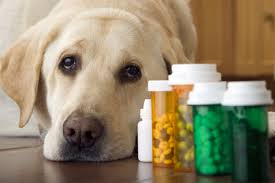

Antibiotics play a crucial role in treating bacterial infections in dogs. From skin infections and urinary tract infections to respiratory illnesses, antibiotics help eliminate harmful bacteria and support a dog’s recovery. However, understanding the correct treatment duration, proper administration, and recovery process is essential to ensure the medication is effective and to prevent antibiotic resistance.
This guide explains everything pet owners need to know about antibiotics for dogs, how long treatment typically lasts, and what to expect during recovery.
Why Dogs Need Antibiotics
Dogs can develop bacterial infections for a variety of reasons, including:
-
Skin infections (pyoderma, hot spots)
-
Urinary tract infections (UTIs)
-
Ear infections
-
Dental infections
-
Respiratory infections
In these cases, antibiotics are prescribed by a veterinarian to target the bacteria causing the illness. Unlike viral infections, which antibiotics cannot treat, bacterial infections respond effectively when medication is administered correctly.
Types of Antibiotics Commonly Prescribed for Dogs
Veterinarians choose antibiotics based on the type of infection, its severity, and the dog’s health. Common antibiotics for dogs include:
-
Amoxicillin: Often used for skin, respiratory, and urinary infections.
-
Cephalexin: Commonly prescribed for skin infections.
-
Clindamycin: Effective for dental and bone infections.
-
Enrofloxacin: Used for severe infections, including urinary and gastrointestinal infections.
-
Doxycycline: Often prescribed for tick-borne diseases and respiratory infections.
Each antibiotic has its own dosage, administration schedule, and potential side effects. It is essential to follow your veterinarian’s instructions closely.
Treatment Duration: Why Completing the Course Matters
A key factor in successful treatment is completing the entire course of antibiotics, even if your dog appears healthy before finishing the medication.
Typical Duration
-
Mild infections: 7–10 days
-
Moderate infections: 10–14 days
-
Severe or chronic infections: 2–4 weeks or longer
Your veterinarian may adjust the duration depending on your dog’s response to treatment and the type of infection.
Risks of Stopping Early
-
Incomplete eradication of bacteria
-
Recurrence of infection
-
Development of antibiotic-resistant bacteria
-
Longer and more complicated treatment in the future
Always follow the prescribed course and consult your veterinarian before making any changes.
Proper Administration of Antibiotics
Administering antibiotics correctly is essential for their effectiveness.
Tips for Giving Antibiotics to Dogs
-
Follow the exact dosage: Measure carefully according to your veterinarian’s instructions.
-
Stick to the schedule: Give doses at the same time each day to maintain consistent blood levels of the medication.
-
Use food if advised: Some antibiotics can cause stomach upset; giving them with food may help.
-
Do not split tablets unless instructed: Altering the dosage can reduce effectiveness.
-
Monitor for side effects: Watch for vomiting, diarrhea, lethargy, or allergic reactions and report them to your veterinarian.
Consistency and careful administration increase the likelihood of a successful recovery.
Monitoring Recovery
Recovery from bacterial infections depends on the type of infection and how early treatment begins.
Signs of Improvement
-
Reduction in redness, swelling, or discharge (for skin and ear infections)
-
Normalized urination (for UTIs)
-
Improved appetite and energy
-
Decreased coughing or sneezing (for respiratory infections)
When to Contact Your Veterinarian
-
Symptoms persist or worsen after 48–72 hours of antibiotics
-
New symptoms appear during treatment
-
Your dog refuses medication or experiences severe side effects
Prompt follow-up ensures that infections are fully treated and prevents complications.
Supporting Recovery at Home
In addition to antibiotics, several steps can support your dog’s recovery:
-
Proper hygiene: Keep affected areas clean, especially for skin and ear infections.
-
Balanced diet: A nutritious diet strengthens the immune system and aids healing.
-
Hydration: Ensure your dog has constant access to fresh water.
-
Comfortable environment: Provide rest and minimize stress during recovery.
-
Follow-up appointments: Veterinarians may recommend rechecks or lab tests to confirm the infection has cleared.
These measures, combined with antibiotics, help speed recovery and prevent reinfection.
Common Misconceptions About Antibiotics for Dogs
Understanding the facts about antibiotics prevents misuse:
-
“Antibiotics cure all illnesses”: Antibiotics are effective only against bacterial infections, not viruses or fungal infections.
-
“Shorter courses are fine if symptoms improve”: Stopping early can cause recurrence and resistance.
-
“Human antibiotics are safe for dogs”: Never give human antibiotics without veterinary guidance; dosage and toxicity differ.
Correct knowledge ensures the health and safety of your dog during treatment.
Conclusion
Antibiotics for dogs are powerful tools for fighting bacterial infections, but their effectiveness depends on proper usage, treatment duration, and supportive care. Pet owners must understand why completing the prescribed course is critical, how to administer medication correctly, and what signs indicate recovery or complications.
By following veterinary instructions, monitoring your dog’s health, and supporting their recovery with proper care, you can help your dog recover quickly and safely from infections.
Always consult your veterinarian for guidance and never self-prescribe antibiotics, as misuse can lead to serious health risks and antibiotic resistance.