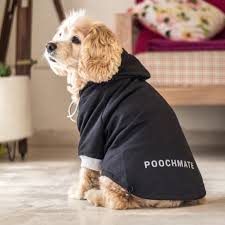

As winter approaches, keeping your dog warm and comfortable becomes a priority. While some breeds naturally tolerate cold weather, many dogs benefit from wearing dog clothes for winter. From cozy sweaters to insulated coats, the right clothing can protect your dog from the chill, snow, and wind. However, choosing the right materials, ensuring proper fit, and prioritizing comfort are essential to make winter wear both functional and enjoyable for your furry friend.
This guide covers everything you need to know about selecting dog clothes for winter, including materials, sizing tips, and practical comfort advice.
Why Dogs Need Winter Clothes
Not all dogs need winter clothes, but certain conditions make them highly recommended:
-
Short-haired breeds like Chihuahuas, Dachshunds, and Greyhounds
-
Small breeds that lose heat quickly
-
Older dogs or those with arthritis, who may feel cold more acutely
-
Dogs with thin body fat or health issues affecting circulation
-
Dogs exposed to extreme cold, snow, or icy wind during walks
Winter clothes help maintain body temperature, reduce the risk of hypothermia, and protect paws and skin from harsh elements. They also keep dogs comfortable during outdoor activities, making walks and playtime more enjoyable.
Best Materials for Dog Clothes in Winter
Choosing the right material is key to providing warmth without compromising comfort. Some of the most effective winter fabrics include:
1. Fleece
-
Lightweight yet warm
-
Soft and comfortable against the dog’s skin
-
Excellent for layering under jackets or sweaters
-
Breathable, allowing heat retention without overheating
2. Wool
-
Naturally insulating and warm
-
Ideal for sweaters or pullovers
-
Can be itchy for sensitive skin; look for blends with soft fibers
-
Provides warmth even when damp
3. Down or Synthetic Insulation
-
Provides maximum warmth for very cold climates
-
Often used in winter jackets or vests
-
Lightweight and compressible, making it easy for dogs to move
-
Synthetic options dry faster than natural down
4. Waterproof or Water-Resistant Fabrics
-
Protects against snow, slush, and rain
-
Often combined with fleece or insulated lining for warmth
-
Keeps the dog dry, preventing chills and skin irritation
-
Look for materials like nylon or polyester with a waterproof coating
5. Cotton and Knits
-
Comfortable and soft for indoor use
-
Breathable but less insulating than fleece or wool
-
Ideal for mild winter climates or layering under outerwear
How to Ensure the Perfect Fit
Proper fit is crucial to ensure your dog is both comfortable and protected:
1. Measure Your Dog Accurately
-
Neck: Measure around the base of the neck
-
Chest: Measure the widest part of the chest behind the front legs
-
Length: Measure from the base of the neck to the base of the tail
Refer to the sizing chart provided by the manufacturer for the best match.
2. Check for Mobility
The clothing should allow your dog to move freely, including:
-
Walking, running, and jumping
-
Sitting or lying down comfortably
-
Bending or stretching without restriction
3. Adjustable Straps and Fasteners
Velcro, snaps, or buckles allow fine adjustments for a snug yet comfortable fit. Avoid overly tight clothing, as it can restrict breathing or circulation.
4. Avoid Chafing Areas
Ensure seams, tags, or zippers do not rub against sensitive areas like the belly, armpits, or legs. Soft lining and smooth finishes improve comfort.
Comfort Tips for Winter Dog Clothes
Winter clothes should be warm, but dogs also need freedom and comfort. Consider the following tips:
1. Layering
Layering a fleece sweater under a waterproof jacket provides extra warmth and flexibility. Layering also allows you to remove outerwear if your dog becomes too warm indoors.
2. Check for Overheating
Even in cold weather, dogs can overheat if clothing is too thick or tight. Monitor your dog during walks and remove layers if necessary.
3. Paw Protection
Pair winter clothing with booties or paw wax to protect paws from ice, salt, and cold surfaces. Some jackets have built-in paw coverage for added warmth.
4. Indoor Comfort
Thin winter sweaters or knit shirts can keep small or elderly dogs warm indoors without causing discomfort or overheating.
5. Acclimate Your Dog
Introduce clothing gradually. Let your dog sniff, wear, and get used to the outfit for short periods before longer outdoor use. Positive reinforcement with treats helps them associate winter wear with comfort and fun.
Stylish and Functional Winter Dog Clothes
Modern dog clothes combine style and function. Some popular options include:
-
Insulated winter jackets: For cold climates and active outdoor dogs
-
Fleece pullovers: Soft, comfortable, and easy to wear
-
Knitted sweaters: Cozy and fashionable, ideal for indoor warmth
-
Raincoats with insulation: Protects from wet snow and wind
-
Reflective gear: Enhances visibility during evening walks
With so many options available online and in pet stores, it’s easy to find winter wear that suits your dog’s size, breed, and activity level while keeping them stylish.
Conclusion
Choosing the right dog clothes for winter ensures your furry friend stays warm, comfortable, and safe during the cold months. Prioritize high-quality materials like fleece, wool, and waterproof fabrics, ensure a proper fit, and consider layering for extreme weather. Comfort, mobility, and protection should always come first, while style is a bonus.