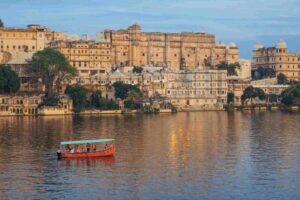

Rajasthan, the “Land of Kings,” is one of India’s most culturally rich and historically significant states. Rajasthan tourism is celebrated worldwide for its majestic forts, opulent palaces, vibrant festivals, desert landscapes, and warm hospitality. From Jaipur’s pink‑hued architecture to Udaipur’s romantic lakes, from Jodhpur’s blue city charm to Jaisalmer’s golden desert fort, Rajasthan offers a kaleidoscope of experiences that embody India’s royal past and living traditions.
Why Rajasthan Tourism is Special
- Royal Legacy: Home to Rajput dynasties and their magnificent forts and palaces.
- Architectural Marvels: Intricate carvings, grand courtyards, and ornate temples.
- Cultural Vibrancy: Folk music, dance, festivals, and colorful attire.
- Living Traditions: Heritage hotels and havelis that preserve royal lifestyles.
- Global Recognition: UNESCO World Heritage Sites like Jaipur City and Jantar Mantar.
Top Tourist Places in Rajasthan
Jaipur – The Pink City
- Amber Fort: Majestic fort with Sheesh Mahal (Mirror Palace).
- City Palace: Blend of Mughal and Rajput architecture.
- Hawa Mahal: Iconic “Palace of Winds.”
- Jantar Mantar: Astronomical observatory and UNESCO site.
- Jaipur is the gateway to Rajasthan tourism, offering a vibrant mix of history and modernity.
Udaipur – The City of Lakes
- City Palace: Overlooking Lake Pichola, one of the largest palace complexes.
- Lake Pichola: Famous for boat rides and views of Jag Mandir and Lake Palace.
- Saheliyon Ki Bari: Historic garden built for royal maidens.
- Udaipur is often called the “Venice of the East,” celebrated for its romantic heritage.
Jodhpur – The Blue City
- Mehrangarh Fort: One of India’s largest forts, offering panoramic views.
- Umaid Bhawan Palace: Heritage hotel and museum.
- Jaswant Thada: Marble cenotaph built in memory of Maharaja Jaswant Singh II.
- Jodhpur’s blue houses create a unique charm against the desert backdrop.
Jaisalmer – The Golden City
- Jaisalmer Fort: A living fort with shops, homes, and temples inside.
- Patwon Ki Haveli: Cluster of ornate havelis with intricate carvings.
- Sam Sand Dunes: Desert safaris and cultural performances under the stars.
- Jaisalmer’s golden glow at sunset is unforgettable.
Pushkar – The Sacred Town
- Pushkar Lake: Holy site surrounded by ghats and temples.
- Brahma Temple: One of the few temples dedicated to Lord Brahma.
- Pushkar Camel Fair: Vibrant cultural event showcasing Rajasthan’s traditions.
Ajmer – The Spiritual Heritage
- Ajmer Sharif Dargah: Revered Sufi shrine attracting pilgrims worldwide.
- Adhai Din Ka Jhonpra: Historic mosque with Indo‑Islamic architecture.
Bikaner – The Desert Jewel
- Junagarh Fort: Unique architecture and well‑preserved interiors.
- Karni Mata Temple: Famous for its population of sacred rats.
- Camel Festival: Celebrates Rajasthan’s desert heritage.
Bundi – The Hidden Gem
- Taragarh Fort: Known for murals and panoramic views.
- Bundi Palace: Famous for intricate frescoes.
Festivals and Cultural Heritage
- Desert Festival (Jaisalmer): Showcases folk music, dance, and camel races.
- Teej Festival (Jaipur): Celebrates monsoon with processions and cultural performances.
- Gangaur Festival: Dedicated to Goddess Parvati, celebrated with colorful rituals.
- Festivals are integral to Rajasthan tourism, offering immersive cultural experiences.
Heritage Hotels and Havelis
- Rajasthan is famous for converting palaces and forts into heritage hotels.
- Examples: Rambagh Palace (Jaipur), Lake Palace (Udaipur), Umaid Bhawan (Jodhpur).
- These hotels offer royal hospitality, preserving traditions while providing modern luxury.
Adventure and Wildlife Tourism
- Desert Safaris: Camel rides and jeep tours in Jaisalmer and Bikaner.
- Wildlife Sanctuaries: Ranthambore National Park (tigers), Sariska Tiger Reserve, Keoladeo Bird Sanctuary.
- Trekking: Trails in Aravalli Hills and Mount Abu.
Best Time to Experience Rajasthan Tourism
- Winter (October–March): Pleasant weather, ideal for sightseeing and festivals.
- Summer (April–June): Hot, but desert experiences are unique.
- Monsoon (July–September): Lush landscapes, though some areas may be less accessible.
Travel Tips
- Book accommodations in advance, especially during festivals.
- Carry comfortable clothing suitable for desert and city tours.
- Respect local customs, especially in temples and shrines.
- Hire local guides for deeper cultural insights.
- Keep cameras ready for both monuments and cultural performances.
Benefits of Rajasthan Tourism
- Cultural Preservation: Tourism supports maintenance of forts, palaces, and temples.
- Economic Growth: Boosts local economies and crafts.
- Global Recognition: Rajasthan is a flagship destination for India’s tourism industry.
- Memorable Experiences: From royal palaces to desert safaris, heritage tourism offers diverse encounters.
Challenges and Opportunities
- Challenges: Overcrowding at popular sites, preservation of ancient structures, balancing modernization.
- Opportunities: Promoting lesser‑known destinations, expanding eco‑tourism, integrating digital booking platforms.
Conclusion
Rajasthan is not just a state—it is a living museum of India’s royal past. From Jaipur’s palaces to Udaipur’s lakes, from Jodhpur’s forts to Jaisalmer’s desert heritage, Rajasthan tourism offers a kaleidoscope of experiences. Whether you are a history buff, a cultural explorer, or a traveler seeking authentic traditions, Rajasthan promises memories that last a lifetime. Truly, it remains one of India’s most captivating destinations, blending heritage, devotion, and artistry in perfect harmony.