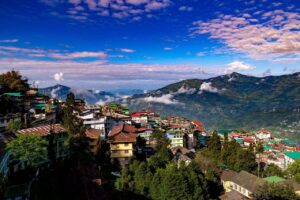

Nestled in the lap of the Eastern Himalayas, Sikkim is one of India’s most enchanting states. Sikkim tourism is celebrated for its pristine landscapes, snow‑capped peaks, vibrant monasteries, and rich cultural heritage. From the towering Kanchenjunga to the serene lakes and valleys, Sikkim offers travelers a unique blend of adventure, spirituality, and natural beauty. Its eco‑friendly initiatives and warm hospitality make it a model destination for sustainable tourism.
Why Sikkim Tourism is Special
- Geographical Diversity: Ranges from subtropical valleys to alpine meadows.
- Cultural Richness: Influenced by Buddhism, Hinduism, and indigenous traditions.
- Adventure Hub: Trekking, rafting, paragliding, and mountaineering.
- Spiritual Serenity: Ancient monasteries, meditation centers, and pilgrimage sites.
- Eco‑Tourism: Organic farming and conservation initiatives.
Top Tourist Places in Sikkim
Gangtok
- Capital city and gateway to Sikkim.
- Attractions: MG Marg, Rumtek Monastery, Enchey Monastery, and Tashi Viewpoint.
- Offers vibrant nightlife, shopping, and cultural immersion.
Tsomgo Lake
- High‑altitude glacial lake located 40 km from Gangtok.
- Famous for its changing colors and scenic beauty.
- Surrounded by snow‑clad peaks, ideal for photography.
Nathula Pass
- Historic mountain pass on the Indo‑China border.
- Part of the ancient Silk Route.
- Requires permits, but offers breathtaking views and patriotic significance.
Pelling
- Famous for panoramic views of Kanchenjunga.
- Attractions: Pemayangtse Monastery, Rabdentse Ruins, and Sky Walk.
- Ideal for cultural and historical exploration.
Yuksom
- Known as the “Gateway to Kanchenjunga.”
- Starting point for treks to Kanchenjunga Base Camp.
- Attractions: Dubdi Monastery and Coronation Throne of Norbugang.
Lachung
- Scenic village in North Sikkim.
- Gateway to Yumthang Valley, known as the “Valley of Flowers.”
- Famous for rhododendron blooms and hot springs.
Lachen
- Base for excursions to Gurudongmar Lake.
- Offers authentic village experiences and monastery visits.
Ravangla
- Known for Buddha Park (Tathagata Tsal) with a 130‑foot statue of Lord Buddha.
- Attractions: Ralang Monastery, Maenam Hill, and Temi Tea Garden.
Namchi
- Cultural capital of South Sikkim.
- Attractions: Samdruptse Hill with Guru Padmasambhava statue, Siddhesvara Dham (Char Dham), and Temi Tea Estate.
Zuluk
- Offbeat destination on the Old Silk Route.
- Famous for winding roads and panoramic views.
- Ideal for adventure seekers.
Adventure Tourism in Sikkim
- Trekking: Kanchenjunga Base Camp, Dzongri Trek, Goecha La Trek.
- River Rafting: Teesta River offers thrilling rapids.
- Paragliding: Gangtok and Reshithang are popular spots.
- Mountain Biking: Trails through rugged terrain and scenic valleys.
- Camping: Lakeside and forest camps for nature lovers.
Cultural Tourism in Sikkim
- Monasteries: Rumtek, Pemayangtse, Tashiding, and Ralang.
- Festivals: Losar (Tibetan New Year), Saga Dawa, Pang Lhabsol, and Bumchu Festival.
- Cuisine: Momos, thukpa, gundruk, and butter tea.
- Handicrafts: Thangka paintings, woolen carpets, and traditional jewelry.
- Villages: Authentic experiences in Kewzing, Dzongu, and Borong.
Wildlife and Eco‑Tourism
- Khangchendzonga National Park: UNESCO World Heritage Site, home to snow leopards and red pandas.
- Fambong Lho Wildlife Sanctuary: Rich in orchids and bird species.
- Singalila National Park: Famous for trekking and biodiversity.
- Eco‑Initiatives: Sikkim is India’s first fully organic state.
Best Time to Visit Sikkim
- Spring (March–May): Rhododendron blooms and pleasant weather.
- Summer (June–August): Lush greenery, though occasional rains.
- Autumn (September–November): Clear skies and cultural festivals.
- Winter (December–February): Snow‑clad landscapes, ideal for adventure.
Accommodation Options
- Luxury Resorts: Premium stays in Gangtok, Pelling, and Namchi.
- Mid‑Range Hotels: Comfortable accommodations with modern amenities.
- Homestays: Authentic Sikkimese hospitality in villages.
- Eco‑Lodges: Sustainable stays amidst tea gardens and forests.
Travel Tips
- Permits: Required for Nathula Pass, Gurudongmar Lake, and North Sikkim.
- Clothing: Carry warm clothes, especially in winter.
- Transport: Hire local taxis or tour packages from Gangtok.
- Health: Acclimatize properly to avoid altitude sickness.
- Respect Local Culture: Follow monastery etiquette and eco‑tourism guidelines.
Benefits of Sikkim Tourism
- Adventure: Trekking, rafting, biking, and paragliding.
- Spiritual Growth: Meditation and monastery visits.
- Cultural Immersion: Festivals, cuisine, and handicrafts.
- Eco‑Tourism: Support conservation and organic farming.
- Memorable Experiences: From lakes to monasteries, valleys to mountains.
Challenges and Opportunities
- Challenges: Seasonal accessibility, preservation of heritage sites, and limited infrastructure in remote areas.
- Opportunities: Promoting eco‑tourism, expanding digital booking platforms, and highlighting lesser‑known destinations.
Conclusion
Sikkim is not just a destination—it is an experience of a lifetime. From the shimmering waters of Tsomgo Lake to the spiritual calm of Rumtek Monastery, from the adventurous trails of Kanchenjunga to the cultural vibrancy of Namchi, Sikkim tourism offers a kaleidoscope of adventures and cultural encounters. Whether you are an adventurer, a spiritual seeker, or a cultural explorer, Sikkim promises memories that last forever. Truly, it remains one of India’s most captivating destinations, blending rugged landscapes, vibrant traditions, and spiritual serenity in perfect harmony.